
Container Gardens
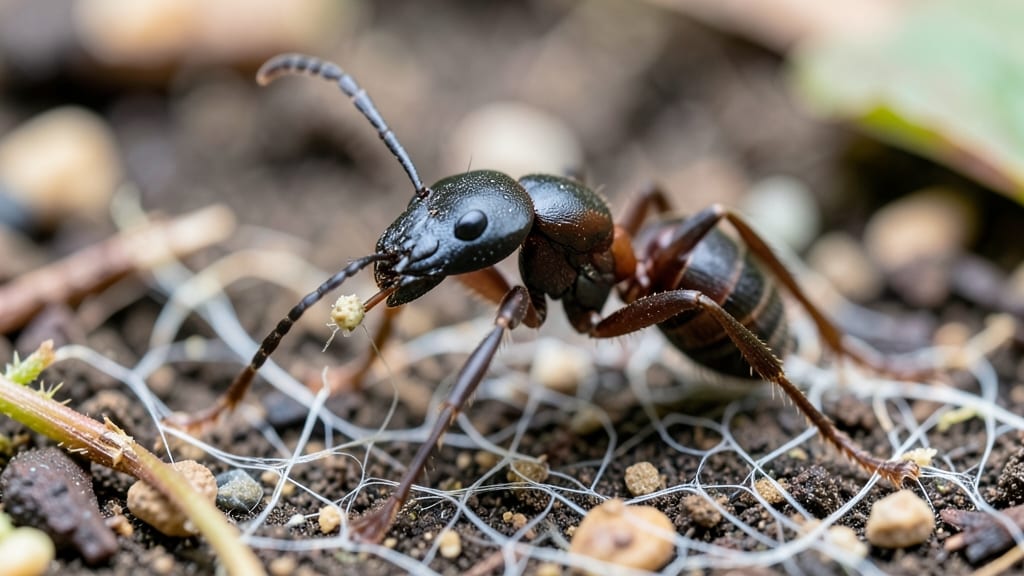
Ants are good for gardens because they aerate soil, break down organic matter, and act as natural pest controllers by preying on harmful insects like aphids and caterpillars, though aggressive species may damage plants or disrupt ecosystems.
Ants actually play a surprisingly vital role in garden ecosystems. 🔥 Their tunnels improve soil drainage and oxygen flow, which helps plant roots grow stronger, while they also redistribute nutrients by carrying organic debris to their nests.
The real game-changer is their pest control—studies show certain ant species can reduce aphid populations by up to 70%, saving your plants from damage without chemicals.
However, not all ants are created equal: species like fire ants can harm young plants and even disrupt beneficial insect populations, so knowing which types visit your garden makes all the difference.
For gardeners, this means you don't need to fear ants entirely—just learn to work with them. Beneficial species like pavement ants and harvester ants actually improve your soil's health over time, while aggressive types require simple deterrents like citrus peels or diatomaceous earth.
The key is observation: watch which ants appear and whether they're helping or harming your plants before taking action.
💡 In This Article
- How Ants Improve Soil and Plant Health
- Managing Ants in Your Garden: Pros and Cons
How ants improve soil and plant health
Ants act like tiny ecosystem engineers, creating intricate tunnel networks that aerate compacted soil. These underground passages improve drainage by allowing water to penetrate deeper, while also increasing oxygen flow to plant roots.
Studies show that ant tunnels can increase soil porosity by up to 30% in just a few months, creating ideal conditions for root expansion and microbial activity. 🌱 The physical disturbance from their digging also helps break down hardpan layers that often restrict plant growth in garden beds.
Beyond aeration, ants play a crucial role in nutrient cycling by transporting organic matter to their nests. Worker ants carry leaves, dead insects, and other debris back to their colonies, where it decomposes more efficiently than it would on the surface.
This process enriches the soil with nitrogen and phosphorus—key nutrients that plants need to thrive. For example, harvester ants in arid regions have been shown to increase soil fertility by up to 25% through this behavior, creating microhabitats that support plant growth in otherwise nutrient-poor environments.
Their impact extends to seed dispersal and plant protection. Many ant species cultivate fungi gardens in their nests, which requires them to collect and distribute seeds from surrounding plants. This accidental seed dispersal helps maintain plant diversity in gardens.
Additionally, ants contribute to pollination by transporting pollen between flowers as they forage. While not as efficient as bees, their role in this process shouldn't be underestimated, especially in ecosystems where other pollinators are scarce.
Not all ants provide equal benefits, however. Species like carpenter ants primarily damage wood and structures, while fire ants can create barren zones by aggressively competing with native plants. The key difference lies in their foraging behavior and colony structure.
Beneficial ants like pavement ants focus on soil improvement and pest control, while aggressive species prioritize territory expansion over ecological contributions. Understanding these distinctions helps gardeners make informed decisions about which ants to encourage in their spaces.
Ants also influence microbial communities in the soil. Their tunnels create ideal conditions for beneficial bacteria and fungi to thrive, which in turn helps break down organic matter more efficiently.
Research from the University of California found that gardens with active ant populations had 20% more beneficial soil microbes compared to ant-free plots. This microbial boost translates to healthier plants with stronger immune systems against diseases and pests.
For gardeners looking to maximize these benefits, creating ant-friendly environments—like leaving small piles of leaves or mulch—can encourage beneficial species to establish colonies. The presence of these tiny workers often correlates with reduced pest populations and improved soil structure, making them valuable allies in any garden ecosystem. 🌿