
Pests
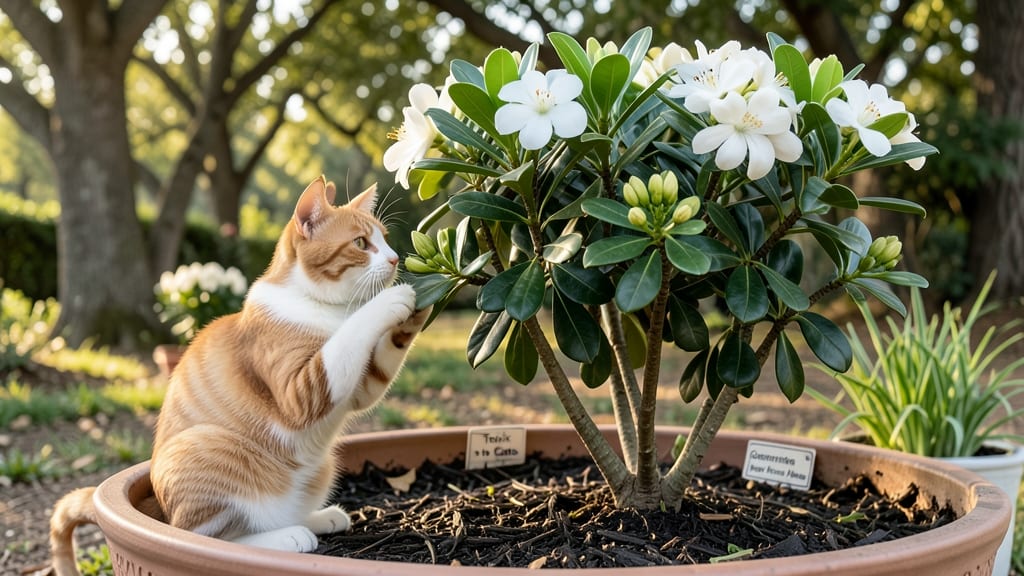
Gardenias are poisonous to cats because their leaves, flowers, and stems contain harmful compounds like theobromine and saponins, which can trigger vomiting, lethargy, or excessive drooling if chewed or ingested. Always keep them out of reach or choose cat-friendly plants like spider plants or Boston ferns instead.
Gardenias may look harmless with their glossy leaves and fragrant blooms, but their toxicity stems from natural chemicals that disrupt a cat's digestive system. 🐱 Theobromine, found in gardenias, is similar to caffeine and can cause rapid heart rates or tremors, while saponins irritate the mouth and stomach lining.
Even small nibbles can lead to discomfort, so it's best to remove these plants from purr-suading reach—especially if your cat has a habit of chewing on foliage.
If you love the gardenia's sweet scent but want a safer option, consider cat-safe alternatives like jasmine or African violets, which offer similar visual appeal without the risks.
Always double-check new plants with the ASPCA's toxicity list before bringing them home—your feline friend's curiosity might just lead them to investigate!
💡 In This Article
- Gardenia Toxicity in Cats: Symptoms and Toxic Compounds
- Cat-Safe Garden Alternatives with Similar Beauty
Gardenia toxicity in cats: symptoms and toxic compounds
Gardenias contain two primary toxins that pose risks to cats: theobromine and saponins. Theobromine, a methylxanthine compound, acts as a stimulant similar to caffeine, triggering increased heart rates and nervous system agitation. Saponins, on the other hand, create foamy saliva in the mouth and irritate the gastrointestinal tract.
These compounds are present in all parts of the plant—leaves, flowers, and stems—making every section potentially hazardous if ingested. 🔥
The severity of symptoms depends on the amount consumed. A cat nibbling on a single leaf might experience mild drooling or vomiting, while larger ingestions (like eating an entire flower) could lead to more severe reactions such as diarrhea, lethargy, or even seizures in extreme cases.
For comparison, lilies—another toxic plant—can cause kidney failure, but gardenias primarily affect the digestive and nervous systems. The ASPCA rates gardenias as moderately toxic, meaning they require prompt veterinary attention if ingestion occurs.
Cats are particularly vulnerable because their livers metabolize toxins differently than humans. Theobromine, for example, lingers in a cat's system for 24-48 hours, prolonging symptoms. Saponins can also cause skin irritation if a cat rubs against the plant, leading to redness or itching.
Unlike oleander (which contains deadly cardiac glycosides), gardenia toxicity is rarely fatal but still requires monitoring. Always watch for signs of distress after exposure, such as pawing at the mouth or excessive licking.
What makes gardenias especially tricky is their appealing fragrance and glossy appearance, which can entice curious cats. The sweet scent of gardenia flowers might attract them, while the smooth texture of leaves invites chewing.
This combination makes prevention critical—place gardenias in hanging baskets or high shelves where cats can't reach. If your cat has a history of plant ingestion, consider removing gardenias entirely from your home environment.
To put this into perspective, a 10-pound cat ingesting just 0.5 grams of gardenia leaves (about the size of a dime) could experience mild toxicity symptoms. While this might seem like a small amount, cats often chew on plants without owners noticing.
The key is early intervention: if you suspect ingestion, contact your vet or the ASPCA Poison Control Center immediately for guidance. 💫
Interestingly, gardenias are part of the coffee family (Rubiaceae), which explains why they share compounds like theobromine with coffee beans. However, unlike coffee, gardenias contain additional irritants like saponins that make them more dangerous to pets.
This botanical connection highlights how even seemingly harmless plants can hide serious risks for curious cats.