
Pests
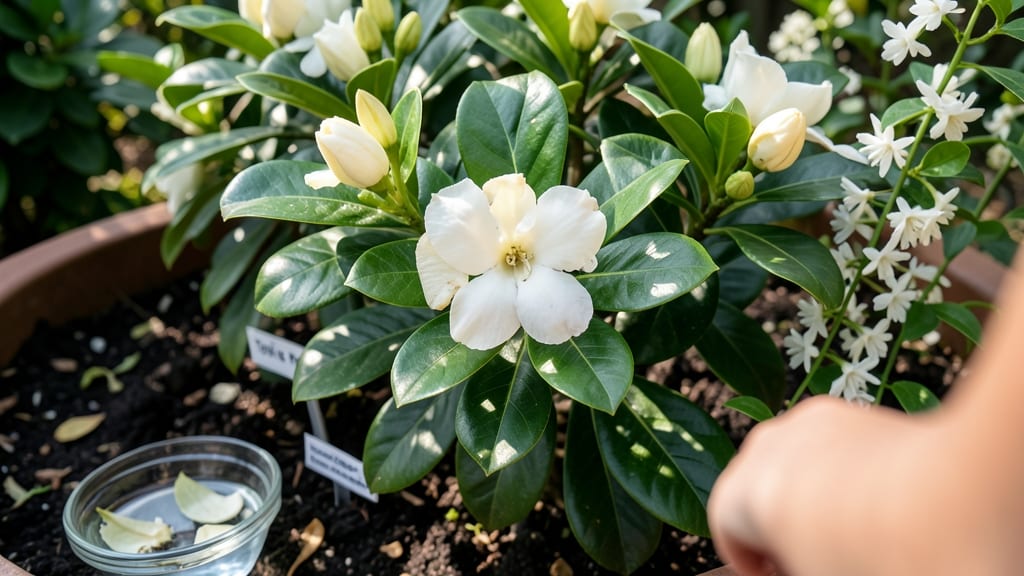
Yes, gardenias are poisonous to humans and pets, containing toxic compounds like saponins and glycosides that can cause nausea, vomiting, and skin irritation upon ingestion or contact. Keep them out of reach of children and animals.
Gardenias contain natural toxins that affect both humans and animals differently. 🌸 The saponins in leaves and flowers disrupt cell membranes, while glycosides can trigger allergic reactions when touched or ingested.
Even small amounts—like chewing a leaf—can cause mild stomach upset, but larger exposures may lead to more severe symptoms like diarrhea or skin rashes. Pets are especially vulnerable, as their smaller size means even minimal contact with gardenia parts can be dangerous.
That said, the risk isn't extreme if handled properly. Pruning with gloves and keeping plants in high places reduces exposure. For pets, opt for non-toxic alternatives like jasmine or hibiscus if you're concerned about safety. Always wash hands after touching gardenias, and consult a vet immediately if ingestion occurs.
💡 In This Article
- Toxic Components in Gardenia Plants and Their Effects
- Safe Gardenia Care: Handling and Pet-Proofing Tips
Toxic components in gardenia plants and their effects
The gardenia plant's toxicity stems primarily from two key chemical compounds: saponins and glycosides, both found in high concentrations in the leaves, stems, and flowers. Saponins act as natural detergents, disrupting cell membranes in the digestive tract when ingested.
This mechanism explains why even small amounts—like a single chewed leaf—can cause gastrointestinal distress. The plant's glycosides, particularly gardenoside, interfere with cellular respiration, leading to symptoms like weakness or dizziness in severe cases. 🌿
In humans, exposure typically triggers mild to moderate reactions, depending on the amount consumed. For instance, handling gardenia flowers without gloves may cause skin irritation due to the plant's resinous sap, which acts as a mild irritant.
Ingestion of leaves or stems can lead to nausea, vomiting, or diarrhea within 30-60 minutes, as the saponins bind to stomach lining proteins. Children under 6 are at higher risk due to their lower body weight and tendency to explore plants orally.
Pets, especially dogs, react differently—their smaller size means even minimal exposure can cause drooling, vomiting, or lethargy within hours.
The plant's toxicity isn't uniform across species. Cats, for example, metabolize glycosides more slowly, making them vulnerable to neurological symptoms like tremors or seizures if they ingest gardenia parts. This is because feline livers process plant compounds differently than human or canine livers.
The threshold for toxicity varies: while a human might tolerate a small leaf without severe effects, a 10-pound dog could experience symptoms after eating just two leaves. The key difference lies in body weight and metabolic efficiency. 🐾
Interestingly, the flowers themselves contain lower concentrations of toxins compared to leaves or stems, but they're not risk-free. The fragrance, while intoxicating, can trigger allergic reactions in sensitive individuals, similar to how other aromatic plants cause hay fever.
The plant's latex sap is particularly irritating—direct contact with broken stems can cause blistering or redness, especially in people with sensitive skin. This is why gardeners often report itchy rashes after pruning without protective gear.
To put this into perspective, gardenia toxicity falls into the "mild to moderate" range compared to other ornamental plants. For example, oleander (a common garden plant) contains cardiac glycosides that can be fatal in small doses, while gardenias require significant ingestion to cause severe symptoms.
However, the risk isn't negligible—children and pets are the most vulnerable groups, and prevention is always better than treatment. Understanding these mechanisms helps explain why gardenias should be handled with care, even though they're not as dangerous as some other toxic plants. 🌸
If you're curious about the long-term effects, studies on gardenia toxicity are limited, but chronic low-level exposure (like daily handling) hasn't been extensively documented in humans.
However, acute poisoning—from eating large quantities—can lead to dehydration due to vomiting and diarrhea, which is why immediate medical attention is crucial in severe cases. Always err on the side of caution, especially when children or pets are around. 🚨