
Blooming
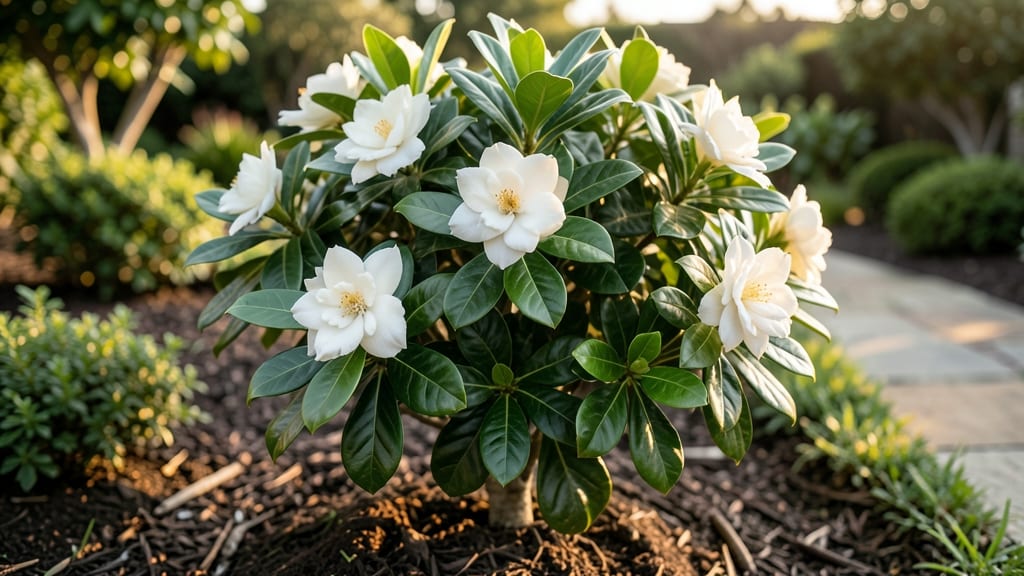
Gardenias don't bloom all summer continuously—they typically flower from late spring through early fall, with blooming intensity depending on your region and specific variety. With the right care, you can encourage longer flowering periods.
Gardenias are sensitive to seasonal changes, and their blooming cycles align with natural temperature shifts.
In warmer climates, they may produce flowers year-round, but even then, there are usually peak seasons when blooms are most abundant. 🌸 The key to extending their flowering period lies in understanding their needs—like providing bright, indirect light and maintaining consistent moisture without overwatering.
I've found that gardenias respond well to regular feeding with acid-loving plant fertilizer during their active growth phase, which can help stimulate more buds.
What many gardeners overlook is how pruning affects reblooming. Light trimming after the first flush of flowers can encourage a second round of blooms later in the season. For indoor plants, maintaining a humidity level above 50% and keeping them away from drafts makes a noticeable difference in bloom longevity.
The goal isn't to force continuous blooming but to create optimal conditions for the plant's natural cycles.
💡 In This Article
- Understanding Gardenia Bloom Cycles and Seasonal Triggers
- Pro Tips to Prolong Gardenia Blooms Beyond Peak Season
Understanding gardenia bloom cycles and seasonal triggers
Gardenias follow a natural blooming rhythm tied to daylight hours and temperature shifts, much like their tropical origins suggest. In temperate climates, they typically enter their primary flowering phase when days lengthen in late spring, producing buds in response to increased sunlight exposure.
This process is triggered by a hormonal shift where the plant's growth regulators—specifically gibberellins—stimulate bud formation. 🌿 The key threshold occurs when daytime temperatures consistently reach 65-75°F, signaling the plant it's safe to invest energy in flowering rather than vegetative growth.
Regional climate plays a massive role in bloom timing. In tropical zones like Florida or Hawaii, gardenias may produce flowers year-round with only minor seasonal fluctuations, thanks to stable 75-85°F temperatures and high humidity. However, in cooler regions like the Pacific Northwest, blooming becomes more concentrated between May and September.
What's fascinating is how gardenias enter a natural dormancy during winter months, even in mild climates—a survival mechanism where they conserve energy by slowing metabolic processes. This dormancy period is crucial for reblooming in spring.
The plant's internal clock also responds to photoperiod—the duration of daylight. Gardenias are short-day plants, meaning they flower in response to decreasing daylight hours, which typically occurs in late summer.
This explains why you often see a second flush of blooms in September or October, even after the initial spring bloom. The transition from long summer days to shorter autumn days triggers another hormonal shift, prompting the formation of new buds.
Understanding this cycle helps explain why gardenias won't bloom continuously—they're following their biological programming to conserve energy and prepare for winter.
What many gardeners miss is how these natural cycles interact with the plant's energy reserves. Gardenias store carbohydrates in their roots and stems during the growing season, which they later convert into flower buds.
If the plant isn't getting enough light or nutrients, it won't have sufficient reserves to produce abundant blooms. This is why providing 6-8 hours of bright, indirect light daily and maintaining consistent moisture (but never soggy soil) makes such a difference in bloom production.
The plant essentially needs to "bank" enough energy during its active growth phase to support flowering.
Another critical factor is soil pH. Gardenias thrive in acidic conditions with a pH between 5.0 and 6.5. When the soil becomes too alkaline, the plant struggles to absorb essential nutrients like phosphorus and iron, which are vital for flower development.
This nutrient deficiency can lead to sparse blooming or even bud drop. The connection between soil chemistry and flowering highlights why regular soil testing and amendments (like sulfur or peat moss) can significantly extend a gardenia's blooming season by ensuring optimal growing conditions throughout the year.
For those in colder climates, understanding these triggers helps with planning. If you want to enjoy gardenias year-round, consider growing them in containers that can be moved indoors before the first frost.
Indoor gardenias will still follow their natural cycles but may produce blooms more sporadically without the seasonal temperature shifts they experience outdoors. The key is replicating their ideal growing conditions—consistent warmth, high humidity, and bright light—to encourage more frequent flowering periods.