
Pests and Diseases
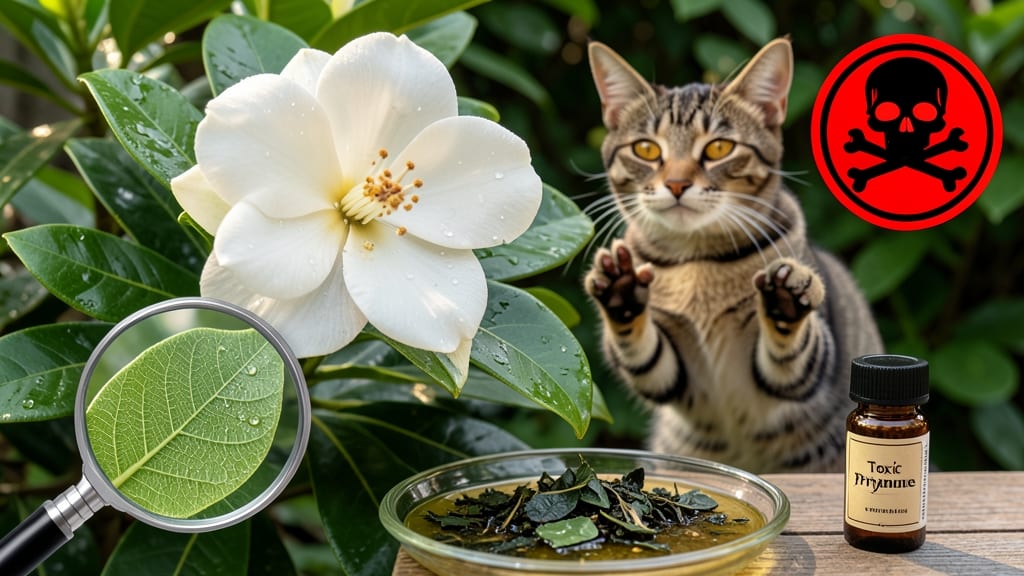
Gardenias are toxic to pets because they contain grayanotoxins, which can trigger vomiting, drooling, and weakness when ingested. Every part of the plant—flowers, leaves, and stems—carries this risk, particularly for cats and dogs.
These toxic compounds disrupt your pet's nervous system, often leading to more severe symptoms like lethargy or even cardiac issues if consumed in large amounts. 🐾 The problem isn't just the flowers—even small nibbles on stems or leaves can cause trouble.
I always recommend keeping gardenias out of reach if you have curious pets roaming your garden or home.
What's particularly concerning is how quickly symptoms can appear after ingestion, sometimes within just a few hours. This makes it crucial to monitor pets closely after they've been near gardenias, even if they haven't shown immediate signs.
The good news is that most cases resolve with veterinary care, but prevention is always better than treatment.
💡 In This Article
- Grayanotoxins in Gardenias: How Toxicity Affects Pets
- Safe Alternatives to Gardenias for Pet-Friendly Gardens
Grayanotoxins in gardenias: how toxicity affects pets
The gardenia plant's toxicity stems from grayanotoxins, a group of naturally occurring compounds that act as neurotoxins.
These chemicals interfere with your pet's nervous system by binding to sodium channels in nerve cells, causing uncontrolled muscle contractions and disrupting normal nerve signaling. 🔥 In humans, grayanotoxins create a "mad honey" syndrome when consumed in honey, but pets are far more vulnerable due to their smaller body size and faster metabolic rates.
Symptoms typically appear within 2-12 hours after ingestion and progress in stages. Early signs include excessive drooling, vomiting, and diarrhea—your pet's body's way of trying to eliminate the toxins. As the grayanotoxins take effect, you may notice weakness in limbs, tremors, or even seizures in severe cases.
The most dangerous complication is cardiac arrhythmia, which can occur if your pet consumes large amounts of gardenia leaves or stems.
Cats and dogs are particularly at risk because their smaller size means even small amounts of gardenia can deliver a toxic dose. A single gardenia leaf (about 1-2 grams) contains enough grayanotoxins to affect a 10-pound cat, while dogs may show symptoms after consuming just a few petals.
The flowers contain the highest concentration of toxins, but stems and leaves are equally dangerous when chewed.
What makes gardenias especially insidious is their sweet fragrance, which can attract curious pets. The intoxicating scent comes from benzyl acetate compounds that mask the plant's true danger.
Unlike some toxic plants that taste bitter, gardenias smell appealing—making them particularly enticing to pets with sensitive noses. 💛 This sensory deception is why many pet owners don't realize their gardenias pose a risk until after their pet has already been exposed.
Treatment typically involves inducing vomiting (under veterinary supervision) and administering activated charcoal to bind remaining toxins in the digestive system. Supportive care like IV fluids helps manage dehydration from vomiting and diarrhea.
The key is acting quickly—once grayanotoxins reach the bloodstream, they can cause lasting neurological damage if not properly treated.
Interestingly, gardenias aren't toxic to all animals. Birds and some larger livestock can often consume them without ill effects due to their different metabolic pathways. However, for companion animals like cats and dogs, the risk remains serious.
This biological difference highlights why pet owners need to be particularly vigilant about gardenia exposure.