
Pests
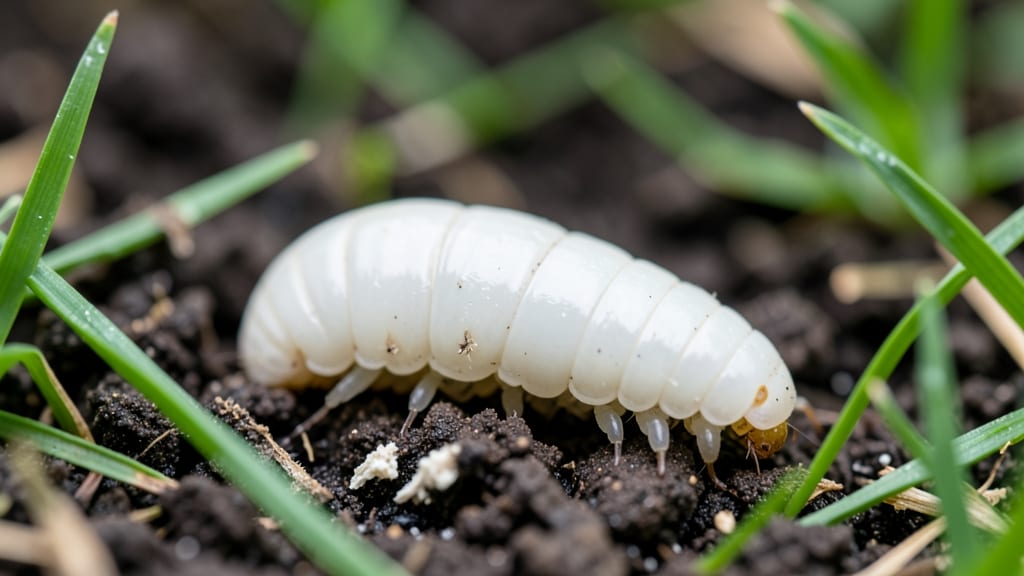
Grubs are bad for your garden because they feed on plant roots, weakening or killing grass, flowers, and vegetables by creating brown patches, wilting, or stunted growth as larvae chew through underground stems and roots.
Grubs—white, C-shaped larvae of beetles—are one of the most destructive pests in gardens because they target the very foundation of plant health: the roots. 🌱 As they tunnel through soil, they sever root systems, disrupting a plant's ability to absorb water and nutrients.
This damage often appears as irregular brown patches in lawns or sudden wilting in vegetables, even when soil looks moist. The worst part? By the time you notice the symptoms, the grubs have already caused significant stress, making recovery difficult without intervention.
What makes grubs particularly insidious is their life cycle. They spend most of their time underground, feeding for months before pupating into beetles. This means damage compounds over time, especially in warm climates where multiple generations can emerge yearly.
Even ornamental plants aren't safe—grubs will attack anything with edible roots, from roses to carrots.
💡 In This Article
- How Grubs Destroy Garden Roots and Plants
- Natural and Chemical Grub Control Methods for Gardens
How grubs destroy garden roots and plants
Grubs—specifically the larvae of beetles like Japanese beetles or June bugs—target plant roots with surgical precision.
Their mandibles slice through root hairs and fine roots first, creating tiny wounds that disrupt the plant's vascular system. 🌱 Unlike surface pests that nibble leaves, grubs attack the hidden infrastructure that delivers water and nutrients.
A single grub can consume up to 50 pounds of roots per acre in a season, which explains why lawns develop those telltale brown patches even when watered regularly.
The damage progresses in stages. Early feeding creates superficial root damage, causing plants to appear stressed but still somewhat functional. However, as grubs mature (they can grow up to 1.5 inches long), their feeding becomes more aggressive, severing larger roots.
This triggers a cascade effect: the plant can't absorb enough water, leading to wilting even in moist soil. In extreme cases, entire root systems collapse, leaving plants vulnerable to uprooting by wind or foot traffic.
Certain plants are more vulnerable due to their root structures. Grasses (like Kentucky bluegrass) and shallow-rooted vegetables (such as carrots or radishes) suffer the most because grubs target the top 2-3 inches of soil, where these roots are concentrated.
Ornamental plants with fibrous roots, like hostas or daylilies, also fall prey, though their damage often appears as stunted growth rather than dead patches.
Grub activity doesn't just harm plants—it degrades soil quality over time. Their tunneling disrupts soil aeration and microbial communities, while their waste (frass) can introduce pathogens. In heavy infestations, the soil becomes compacted, further inhibiting root growth. 🌿 The result?
A garden that looks healthy on the surface but is secretly starving underground.
What makes this damage so persistent is the grubs' life cycle. They spend 10-12 months underground feeding before pupating, meaning their impact compounds season after season. In warm climates, multiple generations can emerge yearly, turning a garden into a grub buffet.
The key to early detection is pulling up a small section of sod or soil—if you find 5-10 grubs per square foot, it's time to act.
Even if you don't see the grubs themselves, their work is visible in the patterns of damage. Look for irregular brown patches that feel spongy when stepped on (a sign of rotting roots) or plants that pull up easily with little resistance.
These are classic signs that grubs have been dining underground for weeks.