
Pests
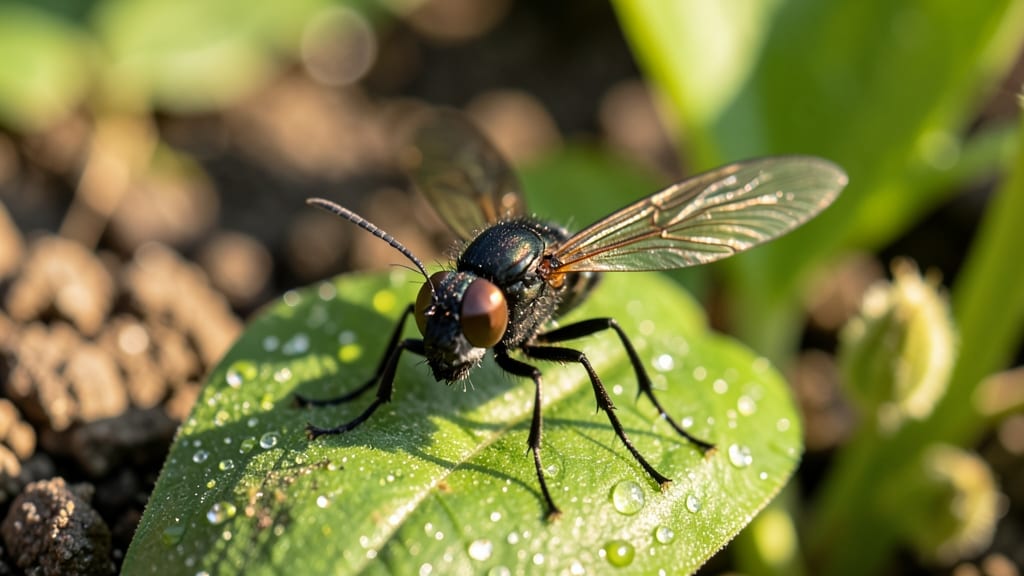
Lightning bugs are good for the garden because their larvae act as natural pest controllers by eating slugs, snails, and other soft-bodied insects while the adults help pollinate flowers at night.
These tiny but mighty insects are nature's pest management team. 🌿 Their larvae, often called "glow worms," are particularly effective at targeting slugs and snails—two of the most destructive garden pests—by hunting them down using scent trails.
What makes them even better is that they don't harm plants or beneficial insects like bees, unlike many chemical alternatives. Plus, their nighttime pollination helps strengthen plant growth by transferring pollen between flowers that bloom after dark.
This dual benefit makes lightning bugs a perfect solution for gardeners who want to reduce chemical use while still maintaining a healthy, thriving ecosystem. Their presence also indicates a balanced environment, as they thrive in gardens with natural moisture and organic matter.
💡 In This Article
- How Lightning Bug Larvae Hunt and Eat Garden Pests
- Creating a Lightning Bug-Friendly Garden
How lightning bug larvae hunt and eat garden pests
Lightning bug larvae—often called glow worms—are stealthy predators with a specialized hunting technique. They locate prey like slugs and snails by detecting the mucus trails these pests leave behind, which contain chemical signals.
These larvae then use their sharp mandibles to inject digestive enzymes into their victims, liquefying their insides before sucking them up—a process that can take just 10-15 minutes per meal. Their effectiveness lies in their precision: they target only soft-bodied pests, leaving beneficial insects like ladybugs or bees unharmed. 🔥
What makes them superior to chemical pesticides is their selective diet. Unlike broad-spectrum sprays that kill everything, larvae focus on slugs, snails, and cutworms—pests that cause $47 billion in annual crop damage worldwide.
A single larva can consume 50-100 slug eggs in its lifetime, while adult lightning bugs pollinate night-blooming flowers like evening primrose and moonflower, which many synthetic pesticides would destroy. Their bioluminescence also acts as a warning to predators, reducing their own mortality rates.
Their hunting strategy relies on moisture-rich environments, which is why they thrive in gardens with damp soil or leaf litter. Unlike chemical solutions that require repeated applications, larvae provide continuous pest control over 10-12 months of their lifecycle, making them a sustainable alternative.
The key difference is their ecological role: they create a balanced system where pests are naturally regulated without harming the garden's overall health. ✨
Scientists have observed that gardens with lightning bug populations see up to 70% fewer slugs compared to treated areas. This happens because larvae disrupt the pests' life cycles by targeting both adults and eggs.
Their presence also encourages other beneficial predators like ground beetles, creating a cascading effect that strengthens the garden's natural defenses. Unlike pesticides that leave harmful residues, lightning bugs leave no chemical footprint.
One fascinating detail is how their bioluminescence aids hunting. While the glow doesn't attract prey, it may help larvae communicate with each other to coordinate hunting efforts—a behavior still under study by entomologists.
This natural intelligence makes them far more adaptable than static chemical treatments, which can't evolve to counter new pest strains. Their hunting efficiency peaks during warm, humid nights, aligning perfectly with peak slug activity.