
Pests and Diseases
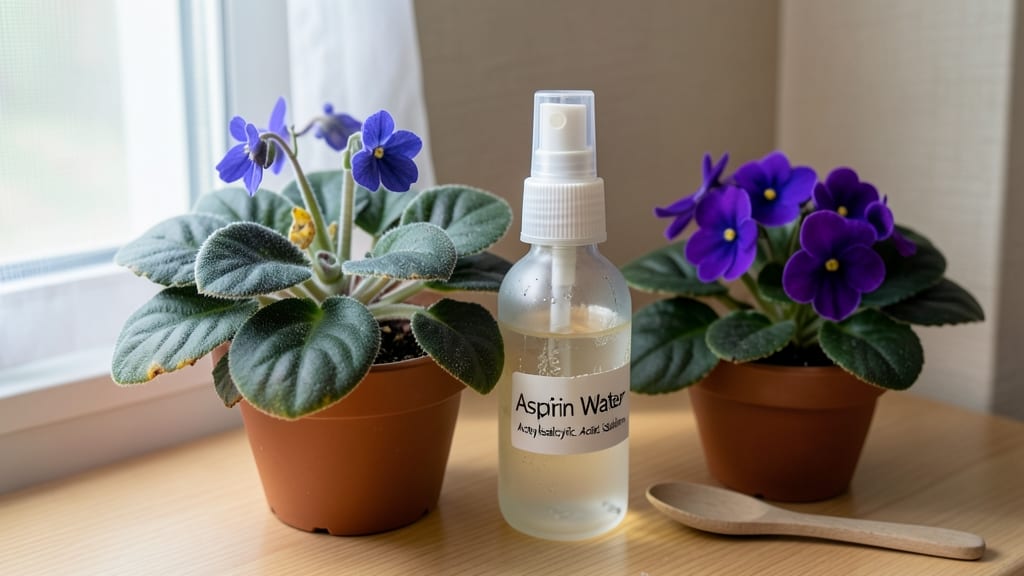
Using aspirin for garden boosts plant health by dissolving tablets in water for foliar sprays or soil treatments, helping prevent fungal diseases and strengthening weak seedlings. Always use crushed, uncoated aspirin in diluted solutions (1 tablet per gallon) to avoid over-acidifying soil or harming roots.
This simple household remedy works because aspirin contains salicylic acid, a natural plant hormone that triggers defensive responses when plants sense stress. 🌱 Unlike harsh chemical fungicides, it strengthens plant cell walls and disrupts fungal spores without harming beneficial microbes in the soil.
I've seen dramatic improvements in tomato and pepper plants when using it preventatively—especially during damp growing seasons when fungal diseases like powdery mildew thrive.
For best results, apply the diluted solution in the early morning or late evening when temperatures are cooler, as this reduces evaporation and allows the plants to absorb the treatment more effectively.
Always test on a small area first, particularly with acid-sensitive plants like azaleas or blueberries, where even diluted aspirin might cause leaf burn. The key is consistency—reapply every 7-10 days during high-risk periods for maximum protection.
💡 In This Article
- How Aspirin Works as a Natural Plant Fungicide
- Safe Aspirin Dosages and Application Methods for Gardens
How aspirin works as a natural plant fungicide
When you crush an aspirin tablet and mix it with water, you're releasing salicylic acid, a naturally occurring plant hormone that acts like a biological alarm system.
This compound triggers a defense mechanism called systemic acquired resistance (SAR), which is similar to how our immune systems respond to vaccines.
When plants detect salicylic acid, they produce proteins that strengthen cell walls and create antimicrobial compounds, effectively priming them to fight off pathogens before they take hold. 🌱
The magic happens at the cellular level: salicylic acid binds to specific receptors in plant cells, activating genes that produce defense-related proteins. These proteins include chitinases and β-1,3-glucanases, enzymes that break down fungal cell walls—particularly effective against powdery mildew, downy mildew, and early blight.
Unlike synthetic fungicides that simply kill existing spores, aspirin works proactively by preparing plants to resist future attacks, much like how a vaccine prevents illness rather than treating symptoms.
What makes this approach particularly appealing is its dual action: it not only disrupts fungal spores but also stimulates plant growth hormones. Studies show that salicylic acid can enhance root development and chlorophyll production, giving plants a healthier foundation to fight off diseases.
The concentration matters, though—too much can be counterproductive. A standard aspirin tablet contains about 325 milligrams of acetylsalicylic acid, which converts to salicylic acid when dissolved. This amount in 1 gallon of water creates a safe, effective solution without over-acidifying the soil.
This natural fungicide differs significantly from chemical alternatives in its selectivity. While synthetic fungicides often target broad spectra of organisms—including beneficial microbes—salicylic acid specifically activates plant defenses without harming soil ecology. The process is also non-toxic to humans and pets when used correctly, making it a favorite among organic gardeners.
However, it's important to note that aspirin won't cure advanced infections—it's most effective as a preventative measure during high-risk growing conditions, like humid summers or when transplanting seedlings.
For visual learners, imagine this: when you spray the aspirin solution on leaves, it's like giving your plants a microscopic shield. The salicylic acid spreads throughout the plant's vascular system, creating a network of fortified cells ready to repel invaders.
This systemic approach contrasts with contact fungicides that only protect the surface they're applied to. The result? Healthier plants with stronger natural defenses that can better withstand environmental stresses. 🌿
One fascinating aspect of this mechanism is how salicylic acid interacts with other plant hormones. It works synergistically with jasmonic acid and ethylene, creating a hormonal cocktail that enhances both defense responses and growth recovery.
This multi-faceted approach explains why aspirin-treated plants often show improved vigor alongside better disease resistance. The key is understanding that you're not just applying a fungicide—you're essentially giving your plants a biological boost to handle stress more effectively.