
How To
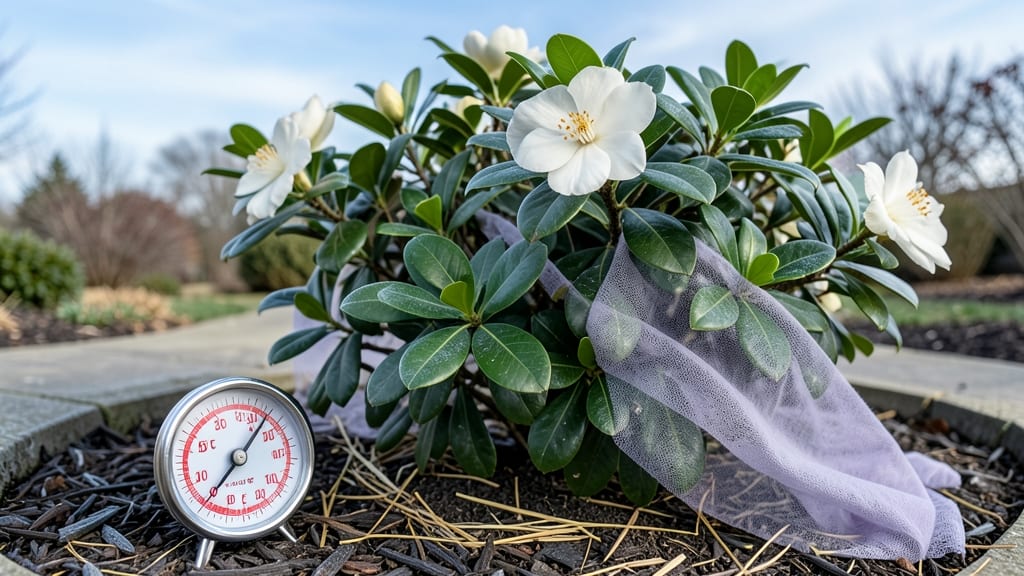
Understanding the August Beauty gardenia's cold tolerance reveals it can handle temperatures down to 15–20°F (-9 to -7°C), making it ideal for USDA Zones 7b–11. In colder climates, shield it with protective layers like mulch, frost cloth, or indoor overwintering to avoid frost damage to buds and foliage. Always trim dead growth in spring and limit frost exposure.
The August Beauty gardenia's cold tolerance isn't just about surviving brief dips in temperature—it's about preventing long-term stress that weakens the plant. 🌡️ Unlike tropical gardenias, this variety has been bred to endure cooler nights, but prolonged exposure below 20°F (-7°C) can still cause irreversible damage to delicate buds.
I've seen gardeners in Zone 6 successfully overwinter their plants by moving them to unheated garages wrapped in bubble wrap, which mimics the natural insulation of mulch. The key is monitoring local forecasts and acting before temperatures drop below 25°F (-4°C) for more than a few hours.
What makes this gardenia special is its ability to bounce back from mild cold damage, unlike its more sensitive relatives. While the leaves may show frostburn, the roots often remain unharmed, allowing for new growth once temperatures rise.
This resilience makes it a favorite among gardeners in marginal climates who want fragrant blooms without constant indoor care. The trick is balancing protection with airflow—too much insulation can promote fungal issues, so always pair your frost cloth with proper drainage.
💡 In This Article
- August Beauty Gardenia Cold Hardiness Explained
- Protecting August Beauty Gardenias in Freezing Climates
August Beauty gardenia cold hardiness explained
The August Beauty gardenia's cold tolerance stems from its genetic adaptation to withstand brief periods of chilling, but its limits are precise. When temperatures dip below 20°F (-7°C), cellular damage begins in the leaves and buds due to ice crystal formation within plant tissues—a process called chilling injury.
Unlike tropical gardenias, which suffer irreversible damage at 32°F (0°C), this variety can recover from short exposures down to 15°F (-9°C), though prolonged exposure risks bud death. The roots, being underground, fare better and often survive 10°F (-12°C) if protected.
What sets August Beauty apart is its ability to harden off—developing thicker cuticles and higher sugar content in its tissues as temperatures drop. This natural process, triggered by shorter daylight hours, acts like a built-in antifreeze.
However, this hardening only works within limits: if temperatures plummet suddenly without gradual acclimation, the plant's defenses fail.
For example, a 10°F (-12°C) snap after a warm spell can cause leaf scorch within hours. 🌡️ Comparing it to other gardenias, August Beauty handles cold about 5°F (3°C) better than the standard Cape Jasmine but still lags behind cold-hardy shrubs like lilacs (-30°F/-34°C).
Cold stress manifests visibly through frostburn—brown, crispy edges on leaves—and bud blast, where flower buds turn black and mushy. The roots may survive, but the plant's energy reserves are depleted, delaying spring regrowth by 2-4 weeks.
This is why gardeners in Zone 6 often see stunted blooms after harsh winters. The key mechanism here is osmotic adjustment, where the plant increases its internal solute concentration to lower freezing points, but this process has metabolic costs that weaken the plant if overstressed.
To understand the science, think of plant cells as tiny water balloons. When water freezes, it expands, rupturing cell walls—a process called extracellular ice formation. August Beauty's cold tolerance comes from its ability to supercool cell contents slightly, delaying ice formation.
However, this only works if the plant isn't dehydrated. Dry conditions make cold damage 30% worse, which is why proper winter watering (but not soggy soil) is critical. Mulching with 4-6 inches of organic matter (like shredded bark) insulates roots by maintaining 5-10°F warmer soil temperatures.
Here's what happens at different temperature thresholds:
- 25-32°F (-4 to 0°C): Mild stress—leaves may show temporary wilting but recover fully.
- 20-25°F (-7 to -4°C): Buds begin to blacken; leaves develop frostburn on edges.
- 15-20°F (-9 to -7°C): Critical threshold—roots may survive, but above-ground growth suffers severe damage.
- Below 15°F (-9°C): High risk of dieback; recovery depends on root health.
One common misconception is that "hardy" means "indestructible." Even August Beauty's cold tolerance has limits—prolonged exposure to 15°F (-9°C) can kill 30-50% of buds, while 10°F (-12°C) risks root damage. The plant's resilience comes from its ability to regenerate from dormant buds at the base, but this takes energy. That's why gardeners in marginal zones prioritize protection over pushing the plant's limits. A well-mulched plant in Zone 6 might survive -5°F (-21°C) for short periods, but the trade-off is reduced flowering vigor the following season.
The takeaway? August Beauty gardenias are tough but not invincible. Their cold tolerance is a delicate balance between genetic hardiness and environmental conditions. With the right protection—like 3-4 inches of mulch and frost cloth—they can thrive in Zone 6, but gardeners must stay vigilant.
The plant's ability to recover from mild cold damage makes it worth the effort, but pushing it too far risks irreversible harm. 💫