
Container Gardens
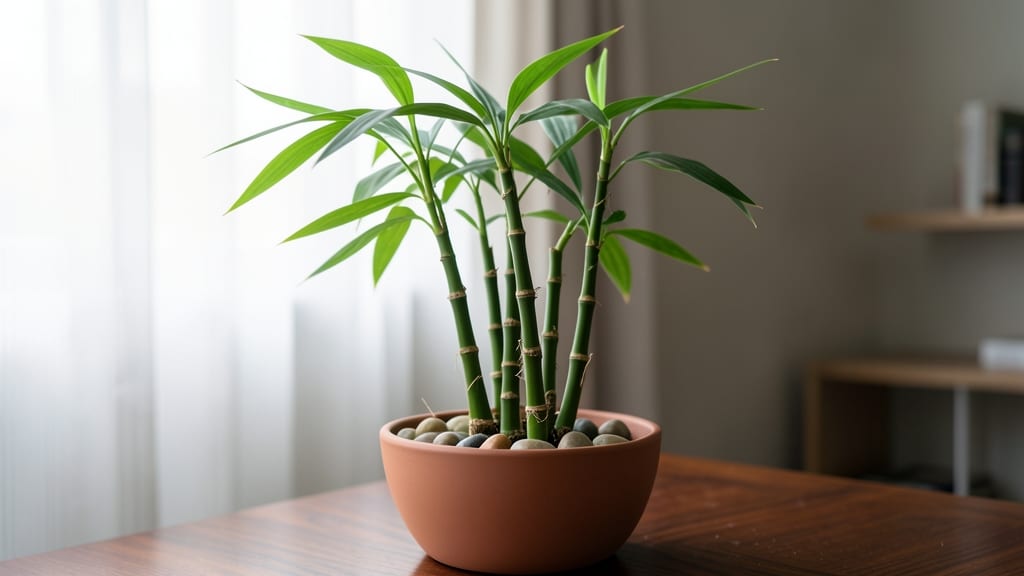
A bamboo garden tour in Chicago reveals stunning displays of cold-hardy varieties, from the iconic groves at the Chicago Botanic Garden to lesser-known spots like Garfield Park Conservatory. Plan your visit for spring to see fresh growth or autumn for golden hues, and join guided tours to learn about cultivation techniques and local species.
Chicago’s bamboo gardens showcase a mix of ornamental and native species that thrive in the city’s USDA Zone 5 climate. 🌿 While the Chicago Botanic Garden features well-maintained clumping bamboos like Fargesia, other spots—such as private collections in the city’s west side—often highlight running bamboo varieties that require careful containment.
The key to success here is understanding Chicago’s humid summers and cold winters, which favor hardy species over tropical ones.
Beyond the major parks, hidden gems like Morton Arboretum’s bamboo trials offer up-close views of experimental varieties, while community gardens in neighborhoods like Logan Square provide intimate settings for photography.
Many of these spots offer seasonal tours where experts share tips on pruning, soil prep, and pest control—perfect for both beginners and seasoned gardeners.
💡 In This Article
- Types of Bamboo Thriving in Chicago’s Climate
- Hidden Bamboo Gardens Worth the Visit Beyond Major Parks
Types of bamboo thriving in Chicago’s climate
Chicago’s USDA Zone 5 climate creates unique challenges and opportunities for bamboo cultivation. The city’s humid summers (75-85°F) and freezing winters (-10°F to 0°F) favor cold-hardy species like Fargesia (clumping bamboo), which naturally resists spreading aggressively.
These varieties form dense, upright clumps, making them ideal for urban gardens where containment is essential. 🌿 For example, Fargesia nitida thrives in Chicago’s conditions, reaching heights of 6-10 feet with delicate, arching canes.
The soil composition in Chicago—often a mix of clay and sandy loam—requires well-draining amendments like compost or perlite to prevent root rot. Running bamboos (Phyllostachys), while stunning, pose risks in urban areas due to their invasive rhizomes.
However, some Phyllostachys varieties, like Phyllostachys aureosulcata (yellow groove bamboo), can be contained with underground root barriers and still flourish in Chicago’s 60-70 inches of annual rainfall. These species develop vibrant golden canes that stand out against the city’s industrial backdrop.
Seasonal growth patterns are critical for Chicago gardeners. Spring brings fresh shoots, while autumn transforms bamboo foliage into golden hues—ideal for photography.
The city’s late frost dates (mid-April) and early snowfall (November) mean gardeners must protect young shoots with mulch. Evergreen varieties like Fargesia robusta retain their leaves year-round, providing year-round interest, while deciduous types offer seasonal color shifts.
Chicago’s windy conditions also influence bamboo selection. Taller varieties (10+ feet) may need staking to prevent toppling, while shorter clumping bamboos (4-6 feet) thrive in protected microclimates.
The Chicago Botanic Garden’s bamboo grove features Fargesia denudata, which handles wind better than its taller cousins due to its flexible canes and dense foliage.
For those interested in experimental varieties, Morton Arboretum’s bamboo trials test hybrids that combine cold-hardiness with ornamental features. These trials often include Sasa veitchii, a dwarf bamboo reaching only 1-2 feet but forming lush mounds perfect for container gardens.
The arboretum’s research highlights how Chicago’s urban heat islands can create microclimates 2-3°F warmer than rural areas, allowing some tropical species to survive in protected spots.
Visitors should note that bamboo’s growth rate varies by species. Clumping bamboos grow 6-12 inches per year, while running varieties can expand 2-3 feet annually if unchecked. This rapid growth makes proper spacing (3-5 feet between clumps) essential for maintaining garden aesthetics and preventing overcrowding.