
Pests
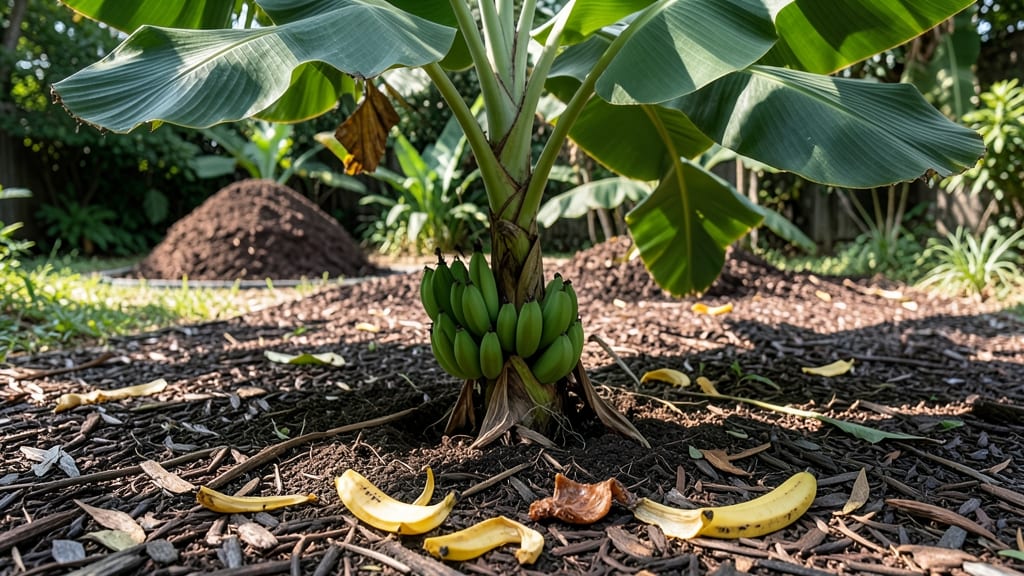
Using banana skins in the garden naturally repels pests like aphids and ants while enriching soil with potassium and phosphorus, breaking down slowly to boost microbial activity and plant growth. Simply bury or compost them near plants for best results.
Banana skins work as a natural pest deterrent because their high potassium content disrupts insect pheromone trails, confusing ants and aphids. 🌱 The skins also decompose into a slow-release fertilizer, improving soil structure over time.
I’ve found burying them near root zones in late spring gives plants a nutrient boost while keeping pests away—no harsh chemicals needed.
For maximum benefits, chop the skins into small pieces before burying to speed up decomposition. This method works especially well for container plants or vegetable gardens where space is limited. The phosphorus in banana peels also encourages stronger root development, making plants more resilient to drought and disease.
💡 In This Article
- How Banana Peels Improve Soil Fertility
- Best Ways to Use Banana Skins for Pest Control
How banana peels improve soil fertility
Banana peels are a nutrient powerhouse when they decompose in the soil. They contain potassium (421 mg per 100g), phosphorus (27 mg per 100g), and magnesium (27 mg per 100g), which are essential for plant growth.
The potassium helps regulate water uptake and strengthens cell walls, while phosphorus promotes root development and energy transfer in plants. This nutrient profile makes banana peels comparable to a slow-release fertilizer, but without synthetic chemicals.
The decomposition process begins when beneficial soil microbes break down the peel's cellulose and lignin. Unlike fast-decomposing materials like grass clippings (which can deplete nitrogen), banana peels release nutrients gradually over 3-6 months, depending on soil conditions.
In warmer climates, the breakdown happens faster due to increased microbial activity, while cooler soils may take longer. The peels also improve soil structure by adding organic matter, which enhances water retention and aeration.
What makes banana peels unique is their ability to activate microbial communities. The natural sugars in the peel attract beneficial bacteria and fungi, which further decompose the material and create a healthier soil ecosystem.
Studies show that adding banana peel compost can increase microbial biomass by up to 20-30% compared to untreated soil. This boost in microbial activity leads to better nutrient cycling, making more nutrients available to your plants over time.
For best results, chop the peels into small pieces before burying them. This increases surface area, allowing microbes to colonize faster and speeding up nutrient release. I’ve noticed that burying peels near the root zone of tomato plants leads to noticeably stronger stems and higher yields.
The potassium in particular helps prevent blossom-end rot, a common issue in tomatoes caused by calcium deficiency, by improving overall plant health.
Compared to other common garden waste, banana peels decompose more slowly than fruit scraps like apple cores but faster than tougher materials like pineapple peels. Their balanced nutrient profile makes them a versatile addition to compost piles or directly in planting holes.
The slow-release nature also means you won’t experience the nitrogen spikes that can occur with fresh manure or grass clippings, making them safer for sensitive plants.
One advanced technique is to create a "banana peel tea" by soaking chopped peels in water for 2-3 days, then using the liquid as a foliar spray or soil drench.
This method extracts the soluble nutrients while providing an immediate boost to plants. The tea has a mild, slightly sweet aroma that fades quickly, leaving no unpleasant odors in your garden.