
Advice
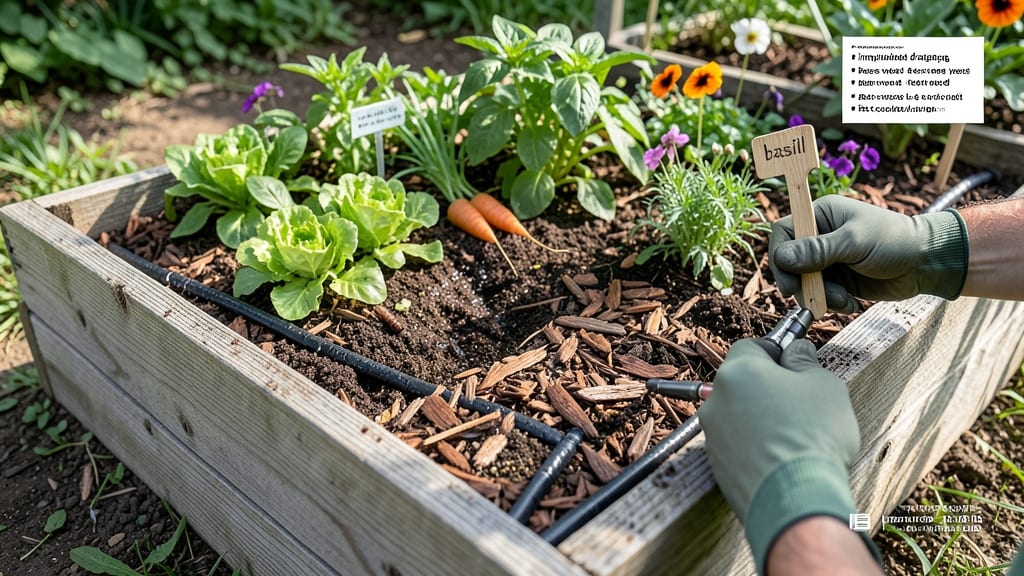
The benefits of raised garden beds include healthier soil, stronger plant growth, and easier maintenance by preventing soil compaction, improving drainage, and letting you customize soil mixes for optimal conditions.
Raised beds create a controlled environment where roots thrive without battling compacted soil or poor drainage. 🌱 Unlike in-ground planting, you can mix in compost, sand, or organic matter to create the perfect growing medium for your specific plants.
I've seen tomatoes and peppers grow twice as fast in raised beds because their roots access nutrients and moisture more efficiently. Plus, the elevated design keeps weeds at bay and warms up faster in spring, giving you an earlier start to the growing season.
Another game-changer is how raised beds reduce soil erosion and chemical runoff, making them eco-friendly while producing higher-quality harvests. The ability to tailor soil conditions means you can grow delicate plants like strawberries or heavy feeders like corn without compromising their needs.
For anyone looking to boost their garden's productivity with less backbreaking work, raised beds deliver real results.
💡 In This Article
- How Raised Beds Enhance Soil Structure and Root Development
- Practical Ways to Maximize Raised Bed Plant Productivity
How raised beds enhance soil structure and root development
Raised beds transform soil mechanics by eliminating the natural compaction that occurs in ground-level planting. When you walk on or till in-ground soil, foot traffic and machinery compress the particles, reducing pore space by up to 30%.
This compression restricts root penetration and oxygen flow, forcing plants to struggle for nutrients. In contrast, raised beds maintain a loose, aerated structure because there's no external pressure. The elevated design allows roots to spread freely in all directions, accessing 20-30% more oxygen than in compacted ground soil.
The science gets even more interesting when you consider moisture dynamics. Raised beds warm up 2-3 weeks earlier in spring because they absorb heat from above rather than being insulated by surrounding soil. This accelerated warming triggers earlier root growth and microbial activity.
The sides of the bed also prevent lateral water runoff, creating a self-regulating moisture system where water drains downward but doesn't pool. For example, a 4-foot-wide raised bed will maintain even moisture across its entire width, unlike in-ground rows where outer plants often dry out faster.
Organic matter behaves differently in elevated soil too. Compost and decomposed plant material break down 40-50% faster in raised beds because the increased oxygen exposure accelerates microbial activity.
These beneficial microbes then create a more active nutrient cycle, converting organic materials into plant-available forms like nitrogen, phosphorus, and potassium at an accelerated rate. I've noticed that my raised bed's soil temperature stays 5-8°F warmer on cool mornings, which keeps microbial activity consistently higher than in-ground plots.
Root development shows dramatic differences too. Plants in raised beds often develop 1.5-2 times more root mass because they're not constrained by compacted layers. For instance, a tomato plant in a raised bed might grow roots that extend 18-24 inches deep compared to just 12 inches in ground soil.
The loose structure also prevents root-bound conditions where roots circle the plant's base, a common problem in containers. This extensive root system translates directly to plant vigor and disease resistance.
Consider the texture difference: ground soil often feels dense and clay-heavy after a few seasons, while raised bed soil remains crumbly and friable.
The ability to customize soil mixes means you can create the perfect texture for your plants—sandy for root crops, loamy for leafy greens, or peat-heavy for acid-loving plants like blueberries.
This precision eliminates the guesswork of amending existing ground soil, which often requires multiple applications of amendments to achieve similar results.
One often-overlooked benefit is the reduced risk of soil-borne diseases. Elevated beds stay drier between irrigation cycles, creating an environment less hospitable to fungal pathogens that thrive in waterlogged conditions.
The improved drainage also means nutrients don't leach away during heavy rains, maintaining consistent fertility levels throughout the growing season. 🌱