
Planting
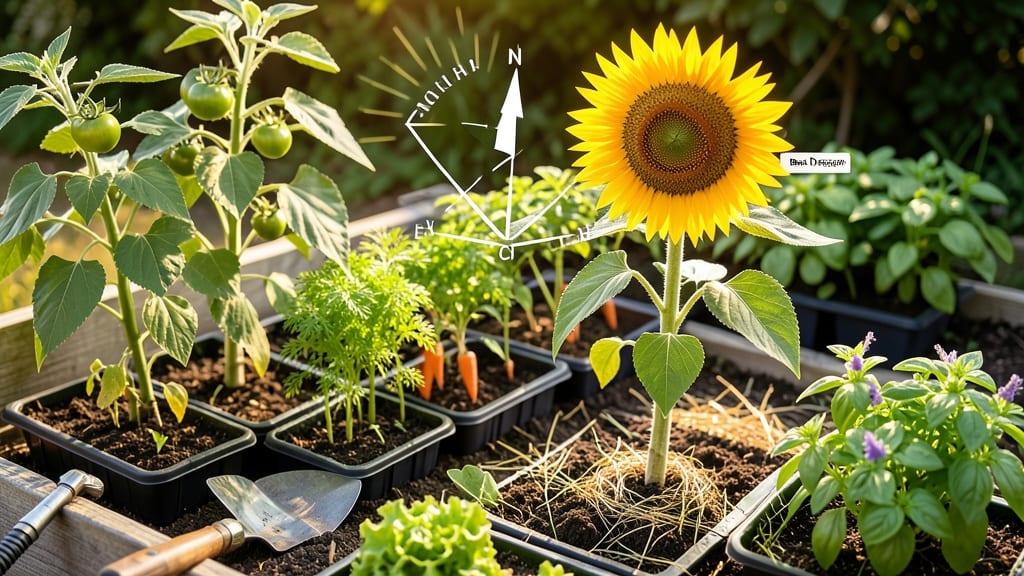
The best direction to plant a garden is typically south-facing, which captures the most sunlight in temperate climates, while east-facing areas provide gentle morning light perfect for shade-loving plants. Always factor in wind patterns and soil drainage to match your garden's specific needs.
Sunlight direction isn't just about where your garden gets light—it's about how plants use that light. 🌞 South-facing spots receive the most intense midday sun, which is ideal for vegetables like tomatoes and peppers that need 6-8 hours of direct sunlight daily.
East-facing gardens, on the other hand, get softer morning rays, making them better for leafy greens or flowers that prefer cooler conditions. I always check my yard's sun patterns for at least a week before planting to avoid surprises later.
Don't overlook wind and soil—these can make or break your garden's success. A sheltered location protects delicate plants from harsh winds, while well-draining soil prevents root rot in heavy rain.
For example, herbs like basil thrive in south-facing spots but can bolt in intense afternoon heat, so a little afternoon shade might be necessary. Testing your soil's pH and texture beforehand saves time and frustration down the road.
💡 In This Article
- How Sunlight Direction Affects Plant Growth
- Choosing the Perfect Garden Spot: Sunlight, Wind, and Soil Checklist
How sunlight direction affects plant growth
Sunlight direction fundamentally alters plant growth through photosynthesis efficiency. South-facing gardens in the Northern Hemisphere receive the most intense, direct sunlight—up to 8-10 hours daily—because they face the sun's arc from morning to afternoon.
This prolonged exposure maximizes chlorophyll production, which is why sun-loving plants like tomatoes and peppers thrive here. The high-angle sunlight in summer also creates optimal conditions for fruiting, as these plants need intense light to develop flavorful, high-yield crops. 🔥
East-facing spots, however, offer gentler morning light with lower UV intensity, making them perfect for leafy greens and shade-tolerant herbs. These plants prefer cooler conditions and benefit from the gradual sunrise warmth that reduces stress.
West-facing areas get harsh afternoon sun, which can scorch delicate leaves or cause bolting in herbs like cilantro. The heat index in west-facing gardens can spike 10-15°F hotter than east-facing ones during peak summer afternoons, making them less ideal for most vegetables.
Photosynthesis isn't just about light duration—it's about light quality. Blue light (morning/evening) promotes vegetative growth, while red light (midday) triggers flowering and fruiting. South-facing gardens naturally provide both spectra in optimal ratios, which is why they're ideal for fruit-bearing plants.
East-facing gardens, with their emphasis on blue light, encourage lush foliage but may delay flowering in plants like basil or marigolds. This explains why some gardeners use reflective surfaces (like white walls) on east sides to bounce extra light onto plants.
Seasonal variations further complicate the equation. In winter, south-facing gardens still receive valuable sunlight when east or west sides might be blocked by snow or shadows. This is why perennial plants like asparagus or rhubarb often thrive in south-facing beds—they get consistent light year-round.
Conversely, west-facing gardens can become too hot in summer, requiring strategic shading or drought-resistant plants like rosemary or lavender. The key is matching plant needs to your garden's specific light patterns throughout the year. ✨
Consider the angle of the sun too—it changes dramatically between seasons. In summer, the sun's path is higher in the sky, while winter brings lower angles that cast longer shadows. This is why a spot that seems ideal in June might be too shady in December.
Using a sun calculator (available online) can help map your yard's light patterns for each season, ensuring you choose plants that will thrive in all conditions. For example, a south-facing garden might need winter-hardy kale while a west-facing one could support heat-tolerant okra.
Even within a single direction, microclimates create variations. A south-facing garden next to a brick wall will be 5-10°F warmer than one in an open field due to radiant heat absorption. Similarly, a north-facing slope might get more sunlight than a flat north-facing area.
These nuances explain why some gardeners divide their plots into "hot," "cool," and "neutral" zones, each hosting plants with complementary needs. 💫