
Picking
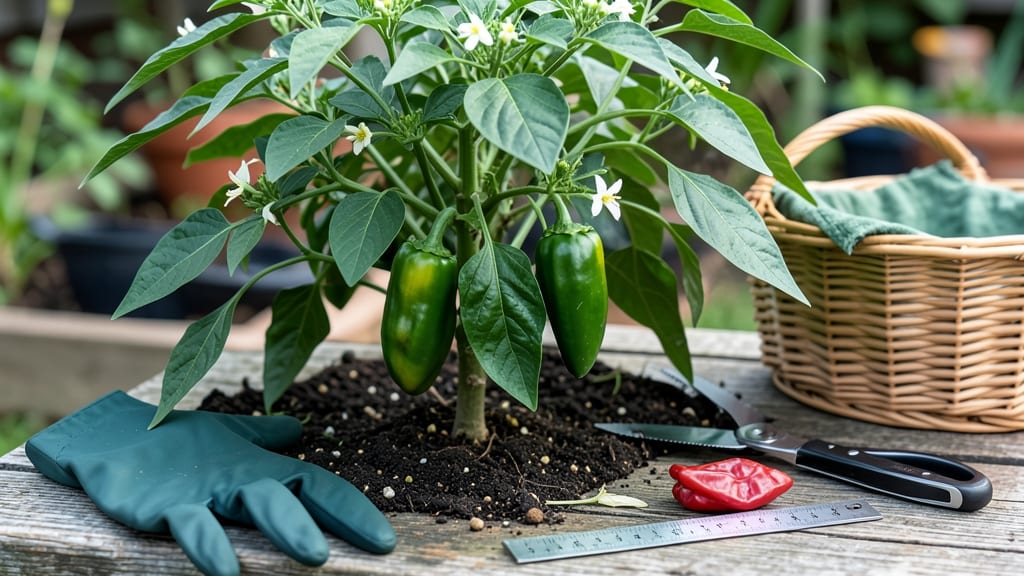
To pick jalapeños from your garden at the perfect moment means balancing heat, flavor, and plant health — and missing that window can turn your harvest into a bitter disappointment.
Picture this: you’ve nurtured your 🌶️ jalapeños all season, and now the question looms—when exactly should you snip them? Too soon, and you’ll get mild, underdeveloped peppers. Too late, and the plant’s energy drains, leaving you with fewer yields and a mouthful of heat you didn’t bargain for.
In this guide, I’ll walk you through the color-stage cues (yes, green isn’t always the best time), the firmness test that tells you “now or never,” and how climate—whether you’re in a 6a zone or a greenhouse—shifts the ideal timing.
By the end, you’ll know not just when to pick, but how to do it without damaging the plant, so your jalapeños keep producing until the first frost.


Jalapeño color-stage guide: when to harvest for optimal spice and flavor
Harvesting jalapeños at the right color stage transforms your garden into a spice factory. The heat level (measured in Scoville units) and flavor complexity change dramatically as peppers mature. Green jalapeños pack a milder punch, while red varieties deliver 3x the heat—but only if you time it perfectly.
Let’s break down the visual cues and ideal harvest windows for each stage.
Your jalapeño plant produces peppers in three primary color stages: green, light green/yellow-green, and red. Each stage offers a distinct flavor profile and heat intensity. For example, green jalapeños average 2,500–5,000 Scoville units, while red jalapeños can hit 8,000–15,000 Scoville units.
Understanding these stages helps you decide whether to harvest for mild heat or bold spice.
Here’s a quick reference to help you identify the perfect moment to harvest based on color, size, and firmness. Use this summary table as your guide to avoid common mistakes like picking too early (underdeveloped flavor) or too late (bitter, overripe peppers).
| Stage | Color | Size | Firmness | Scoville Heat | Flavor Profile | Best For |
|---|---|---|---|---|---|---|
| Green | Solid green | 3–5 inches | Firm, crisp | 2,500–5,000 SHU | Grassy, fresh, mild heat | Pickling, salsas, fresh eating |
| Light Green/Yellow-Green | Yellow-green or light green | 3–5 inches | Slightly softer | 5,000–8,000 SHU | Balanced heat, sweet undertones | Grilling, roasting, sauces |
| Red | Deep red | 3–5 inches | Softer, slightly wrinkled | 8,000–15,000 SHU | Bold, fruity, intense heat | Drying, hot sauces, fermenting |
The green stage is ideal if you’re aiming for a milder heat and crisp texture. These peppers are perfect for pickling or fresh salsas. They typically reach this stage 60–75 days after transplanting, depending on your climate zone.
In cooler regions (like USDA Zone 6a), green jalapeños may take longer to mature.
When peppers transition to light green or yellow-green, they’re ready for grilling or roasting. This stage marks a 20–30% increase in heat compared to green jalapeños. Look for a slight color shift and a softer texture—these are your cues.
Harvesting at this stage also encourages the plant to produce more peppers, as it signals the plant to redirect energy.
For maximum heat and flavor, wait until jalapeños turn deep red. These peppers are 3x hotter than their green counterparts and develop a fruity, complex taste. However, red jalapeños can become bitter or mealy if left too long on the plant.
Aim to harvest them when they’re fully red but still firm to the touch. Overripe peppers may drop from the plant, wasting your harvest.
Pro tip: Twist peppers gently at the stem to test readiness. If the stem snaps cleanly with a slight resistance, it’s time to harvest. This method minimizes damage to the plant, encouraging future pepper production. Avoid cutting stems unless necessary, as it can introduce disease risks.
Climate plays a huge role in jalapeño ripening speed. In hot, sunny climates (like Zone 9+), peppers may turn red in as little as 70 days.
In cooler areas, they might stay green longer. If your peppers aren’t changing color by 90 days, consider hand-pollinating them with a small brush to boost fruit set.
Once you’ve mastered the color-stage guide, experiment with harvesting at different stages to discover your favorite flavor and heat balance. Store green jalapeños in the fridge for up to 2 weeks, while red peppers can last 1–2 weeks before drying or fermenting.
For long-term storage, try drying or freezing them to preserve their unique qualities.
Now that you’re equipped with the color-stage guide, your jalapeños will be ready for harvest at the perfect moment—whether you’re craving mild heat or bold spice. Happy harvesting! 🌶️
How to test jalapeño ripeness beyond color: the 3 key tactics for perfect heat
Color isn’t the only indicator of jalapeño ripeness—sometimes the perfect heat hides behind subtle clues. While green jalapeños are milder, light green or red varieties pack more spice, but only when truly ready.
The trick? Combine visual cues with hands-on tests to avoid underripe or overripe peppers that ruin your harvest.
Environmental factors like sunlight exposure and temperature swings can speed up or slow down ripening. For example, hotter days (above 90°F) may cause peppers to mature faster, while cooler nights can delay the process.
Adjust your harvest timing based on your local climate—if your jalapeños are in a greenhouse, they’ll ripen quicker than outdoor plants.
Here’s how to test ripeness beyond color with three foolproof tactics—no guesswork required:
- 1 The Squeeze Test: Gently press a jalapeño with your thumbnail. A ripe pepper will yield slightly but not feel mushy. If it’s rock-hard, it’s underripe; if it’s soft, it’s overripe. Aim for a firm yet slightly springy feel.
- 2 The Stem Twist: Grasp the pepper’s stem and twist gently. A ready-to-pick jalapeño will detach cleanly with a slight pop. If the stem resists or snaps, it’s not ripe enough. This trick works even for green peppers you want to harvest early.
- 3 The Taste Test: (Safety first!) Cut a small slice from the pepper and taste. A ripe jalapeño will have a balanced heat with fruity notes. If it’s bland or bitter, it’s past its prime. Pro tip: Wear gloves if you’re sensitive to capsaicin!
Don’t overlook the environmental clues that influence ripening speed. For instance, partial shade can slow down maturation, while consistent afternoon sun (2 PM–5 PM) accelerates it. If your peppers are ripening unevenly, check for uneven sunlight exposure or nutrient deficiencies—both can cause inconsistent readiness.
Once you’ve mastered these tests, you’ll never second-guess your harvest again. Timing is everything: Pick too early, and you’ll miss the peak heat; wait too long, and you’ll end up with shriveled or moldy peppers.
Pro gardeners like me harvest jalapeños every 2–3 days during peak season to keep the plant producing. This method ensures a steady supply of perfectly ripe peppers all season long.
Now that you’ve got the tools to test ripeness like a pro, your next jalapeño harvest will be bold, flavorful, and perfectly spicy. Happy harvesting! 🌶️