
Tools
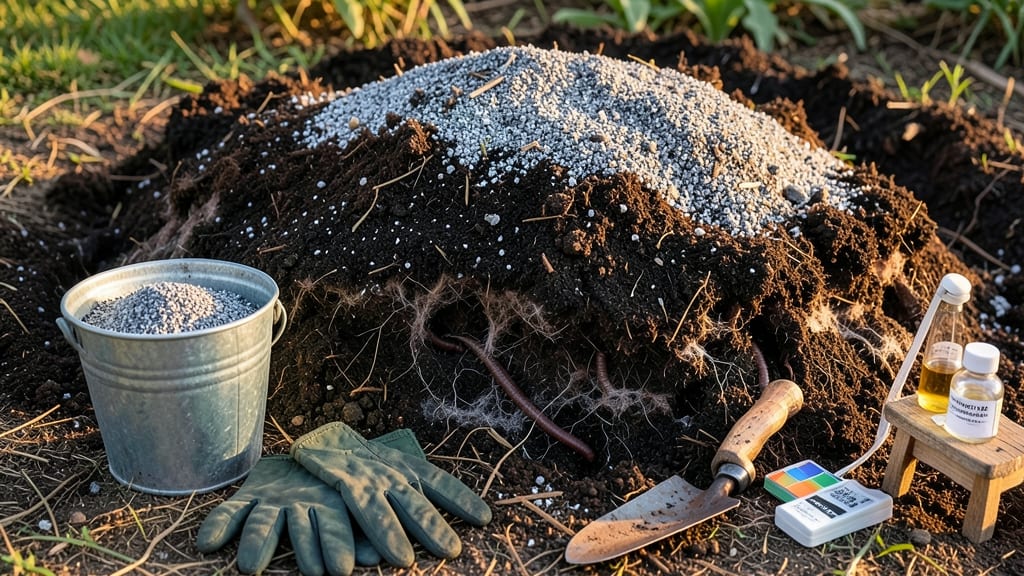
Using wood ashes in your garden can boost soil pH and add potassium, but requires careful handling to prevent over-alkalizing or plant damage. Apply thinly (¼ to 1 pound per 100 sq ft) and mix into soil before planting or mulching.
Wood ashes work as a natural soil amendment because they contain alkaline compounds that neutralize acidic soils, while also supplying essential minerals like potassium and calcium. 🔥 The key is moderation—too much can raise pH levels too quickly, harming acid-loving plants like blueberries or azaleas.
I've found that testing soil pH before application helps determine exactly how much to use, and always recommend mixing ashes with compost to balance the nutrients. For best results, apply in early spring before planting season begins.
What makes wood ashes particularly useful is their slow-release nutrient profile, which helps maintain soil fertility over time. However, avoid using ashes from chemically treated wood, as these can introduce harmful substances.
Always store ashes in a sealed container when not in use to prevent moisture absorption, which can reduce their effectiveness.
💡 In This Article
- How Wood Ashes Affect Soil Chemistry and Plant Growth
- Safe Wood Ash Application Methods for Different Garden Needs
How wood ashes affect soil chemistry and plant growth
Wood ashes primarily contain potassium carbonate and calcium oxide, both highly alkaline compounds that react with acidic soil components like hydrogen ions. When mixed into soil, these compounds raise the pH level by neutralizing acidity, creating a more basic environment.
For example, a 5.5 pH soil (moderately acidic) might jump to 6.5-7.0 after applying 1/2 pound of ash per 100 sq ft, which is ideal for many vegetables like tomatoes and peppers that thrive in slightly alkaline conditions.
The nutrient boost comes from potassium (about 1-2% by weight in wood ash), which supports root development and disease resistance, plus trace amounts of calcium and phosphorus.
However, the real magic happens in the soil's cation exchange capacity (CEC), where potassium ions displace hydrogen ions bound to soil particles, further improving nutrient availability. Think of it like swapping out acidic "locks" for alkaline "keys" that unlock plant nutrients more efficiently. 🔥
But here's the catch: wood ashes contain negligible amounts of nitrogen or organic matter, so they shouldn't replace compost or balanced fertilizers. The sodium content (about 0.5-1%) can also build up over time, potentially harming sensitive plants like rhododendrons.
Always test your soil first—if your pH is already above 7.0, skip the ash entirely to avoid over-alkalizing.
For acid-loving plants like blueberries or hydrangeas, wood ash is a no-go—they need pH levels between 4.5-5.5. Instead, use these plants as your "control zone" while applying ash to other areas.
The key is strategic placement: focus on vegetable beds, lawns, or ornamental plants that tolerate or prefer slightly alkaline conditions.
One fascinating mechanism is how wood ash affects soil microbes. The alkaline shift can temporarily reduce beneficial bacteria like mycorrhizal fungi, which help plants absorb phosphorus. This is why I recommend mixing ash with compost—it buffers the pH change while providing organic matter that supports microbial life.
The ideal ratio is 1 part ash to 5 parts compost by volume.
Visual clues help gauge effectiveness: after application, look for darker, crumbly soil texture (better structure) and healthier foliage color (darker green from improved nutrient uptake). However, if you notice yellowing leaves with brown edges, that's a sign of potassium overload—flush the soil with water immediately to dilute the concentration. 💫