
Tools
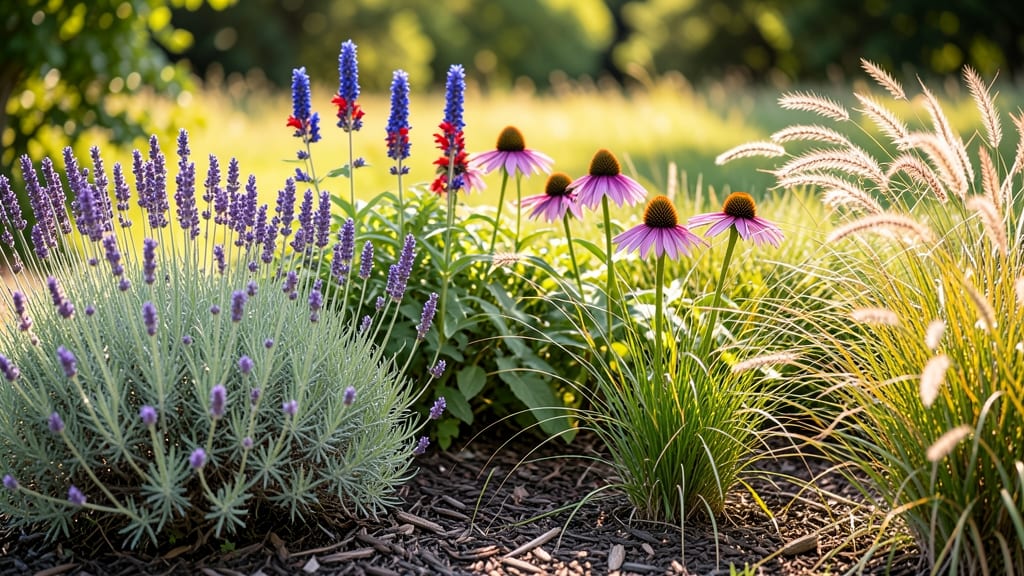
The best place for a garden depends on sunlight, soil, and space — and getting it right means the difference between a thriving harvest and a sad, struggling patch 🌱.
Struggling to decide where to plant your garden? The wrong location can mean wilted plants, wasted effort, and missed harvests—while the perfect spot transforms your gardening into a thriving success.
Sunlight is the most critical factor, but soil quality and space constraints play just as big a role. Whether you're working with a sunny backyard, a shady balcony, or an urban micro-space, knowing what your plants truly need will save you time and frustration.
In this guide, I’ll break down how to assess your yard, spot hidden microclimates, and even repurpose unexpected spots like rooftops or vertical walls for a productive garden.
How sunlight exposure determines your garden’s success
Sunlight is the most critical factor in choosing the best place for a garden. Without proper light exposure, even the hardiest plants will struggle to thrive. I’ve learned that 6+ hours of sunlight can transform a struggling garden into a lush, productive space.
But how do you know if your yard gets enough? Let’s break it down.
The key is understanding your yard’s sunlight patterns throughout the day. Trees, buildings, and even hills can cast shadows that change with the seasons. My 7-day observation method helps identify these shifts so you can match plants to the right spots.
Start by marking your yard’s sunniest and shadiest areas with stakes or flags.
Full sun plants like tomatoes, peppers, and marigolds need 6-8+ hours of direct sunlight. Partial shade lovers such as lettuce, ferns, and impatiens thrive with 3-6 hours of morning sun and afternoon shade. Meanwhile, full shade plants like hostas and caladiums prefer less than 3 hours of indirect light.
Here’s a quick guide to help you visualize the best spots for different plant types:
| Plant Type | Sunlight Needs | Best For | Example Plants |
|---|---|---|---|
| Full Sun | 6-8+ hours | Vegetables, Herbs, Annuals | Tomatoes, Basil, Sunflowers |
| Partial Shade | 3-6 hours | Leafy Greens, Perennials | Lettuce, Coleus, Hydrangeas |
| Full Shade | Less than 3 hours | Woodland Plants, Ferns | Hostas, Caladiums, Astilbe |
| Morning Sun | 3-6 hours (AM only) | Tender Perennials | Rhododendrons, Camellias |
| Afternoon Sun | 3-6 hours (PM only) | Drought-Tolerant Plants | Succulents, Lavender |
To assess your yard’s sunlight, I recommend using a sunlight journal. Record the time each day when shadows appear and disappear in different areas.
For example, a south-facing garden in the Northern Hemisphere gets the most sunlight, while east-facing spots are ideal for morning lovers like lettuce or spinach.
Don’t overlook microclimates—small areas with unique conditions. A spot near a brick wall may stay warmer and drier, perfect for drought-resistant plants. Conversely, low-lying areas can stay cooler and wetter, better suited for shade-loving varieties.
Use these microclimates to your advantage by grouping plants with similar needs together.
Once you’ve mapped your yard, group plants by their sunlight requirements. Place full sun plants in the brightest spots first, then fill in with partial shade and full shade varieties.
This approach maximizes space and ensures every plant gets the light it needs to thrive. Pro tip: Use reflective mulch or light-colored gravel to bounce extra sunlight onto shade-loving plants.
Remember, sunlight needs can shift with the seasons. What’s full sun in summer might become partial shade in winter due to lower sun angles. Adjust your garden layout accordingly, or choose flexible plants that adapt to changing light conditions.
For example, Swiss chard and kale tolerate a range of light levels, making them great for transitional spots.
If your yard lacks ideal sunlight, consider container gardening or vertical planters. These options let you move plants to follow the sun or create microclimates on patios, balconies, or even windowsills. With a little creativity, you can turn even the shadiest corner into a productive garden spot.
The key is observing, experimenting, and adapting—just like I’ve done in my own garden over the years.
Sunlight isn’t just about quantity; it’s also about quality. Direct sunlight is more intense than filtered light, so plants may need slightly different care based on the type of light they receive.
For instance, succulents in full sun need less water than those in partial shade. Pay attention to how your plants react and adjust their care accordingly. 🌱
Soil and space secrets: what makes a location ideal?
Choosing the best place for a garden isn't just about finding empty space—it's about creating an environment where your plants can thrive. The soil composition and space efficiency you select directly impact your garden's success.
For example, clay soil retains moisture but drains poorly, while sandy soil drains too quickly, both requiring amendments for optimal plant health. Even the choice between container gardening and in-ground planting affects maintenance and growth potential.
Before digging, test your soil's drainage and pH levels. A simple percolation test (digging a 12-inch hole and filling it with water) reveals how quickly excess water drains. Aim for 6-8 hours of sunlight daily for most vegetables, but some herbs and flowers thrive in partial shade.
Even microclimates—like the sunny side of your house—can create ideal pockets for specific plants.
🌱 Best Place for a Garden: Pros & Cons
✅ In-Ground Garden
- ✔️ Natural soil improves over time
- ✔️ Lower maintenance long-term
- ✔️ Better for perennials and deep-rooted plants
❌ In-Ground Garden
- ✖️ Poor soil requires major amendments
- ✖️ Weed competition can be intense
- ✖️ Limited mobility if layout changes
✅ Container Garden
- ✔️ Controlled soil quality
- ✔️ Portable and flexible for renters
- ✔️ Reduces pests and weeds
❌ Container Garden
- ✖️ Limited root space for large plants
- ✖️ Frequent watering required
- ✖️ Higher initial cost for quality pots
✅ Raised Bed Garden
- ✔️ Improved drainage and aeration
- ✔️ Warms up faster in spring
- ✔️ Reduces bending for easier access
❌ Raised Bed Garden
- ✖️ Dries out faster in hot climates
- ✖️ Higher material cost upfront
- ✖️ Limited height for deep-rooted plants
For urban gardens, prioritize vertical space with trellises or hanging planters to maximize square footage. If your yard has clay-heavy soil, mix in compost and sand to improve drainage. Meanwhile, sandy soil benefits from organic matter like peat moss or coconut coir to retain moisture.
Always consider accessibility—place your garden near a water source to avoid long hoses and ensure easy maintenance.
Don’t overlook wind protection. A natural windbreak like a fence or hedge shields delicate plants from drying winds. If your space is limited, intercropping (planting fast-growing crops like radishes between slower ones like tomatoes) optimizes every inch.
For container gardens, ensure pots have drainage holes and use lightweight potting mix designed for containers to prevent root rot.
Finally, observe your garden’s microclimate throughout the day. Shady spots under trees may work for hostas or ferns, while sunny patches suit tomatoes or peppers. Adjust your layout seasonally—what’s ideal in summer may need tweaking for winter.
With the right soil and space setup, your garden will reward you with lush growth and bountiful harvests.
🌱