
Featured
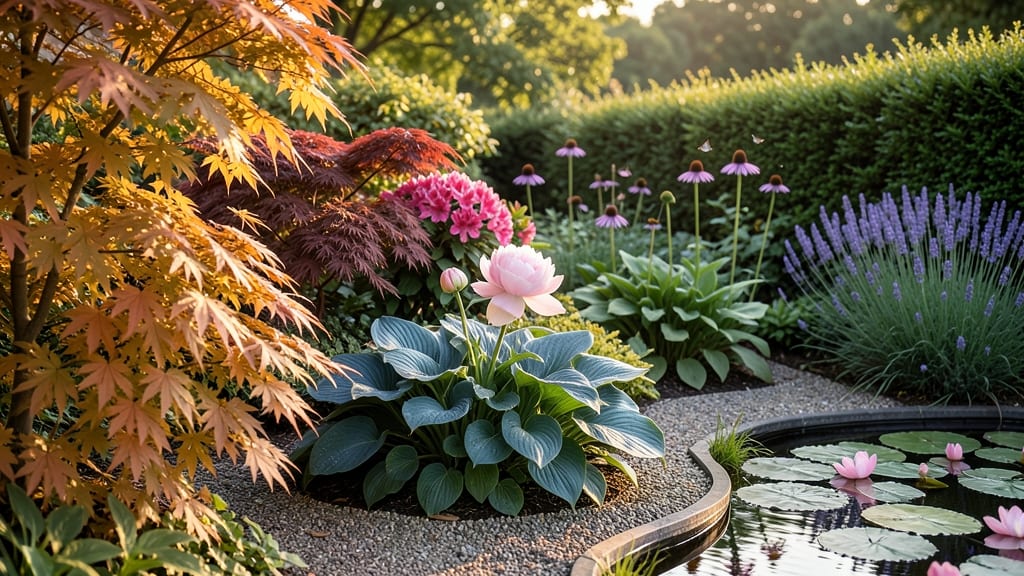
The Montreal Botanical Garden in Canada is a world-class destination featuring over 22,000 plant species across 10 themed gardens, from rare orchids to meticulously designed Japanese gardens. Its seasonal displays—like tulip festivals and autumn foliage—create breathtaking visual experiences year-round, while expertly designed trails cater to both plant enthusiasts and casual visitors.
The Montreal Botanical Garden in Canada isn't just a collection of plants—it's a living museum where science meets art. 🌿 With over 22,000 species, including endangered orchids and rare botanicals, the garden plays a key role in conservation while offering stunning visual experiences.
Whether you're admiring the meticulously landscaped Japanese garden or exploring the vibrant seasonal blooms, each visit reveals something new, from hidden trails to expertly curated exhibits that evolve with the seasons.
What sets this garden apart is its blend of education and beauty. The themed gardens—like the Mediterranean or Chinese collections—provide immersive experiences, while the greenhouse complex houses tropical plants that thrive year-round. For visitors, timing matters: spring brings tulip festivals, summer showcases roses, and autumn delivers fiery foliage.
Even the lesser-known trails, such as those winding through the Chinese Garden, offer serene escapes with unexpected botanical surprises.
💡 In This Article
- Montreal Botanical Garden’s Unique Plant Collections and Conservation Efforts
- Best Seasonal Visits and Hidden Trails in Montreal Botanical Garden
Montreal botanical garden’s unique plant collections and conservation efforts
The Montreal Botanical Garden's collections are more than just decorative—they represent a global botanical library. The Chinese Garden, for example, spans 10 acres and features over 1,200 plant species, including rare bamboo varieties and orchids that thrive in its humid microclimate.
This garden mimics traditional Chinese landscape design, complete with ponds, bridges, and pavilions, creating an immersive cultural experience while showcasing plants adapted to humid subtropical conditions. 🌿
The Japanese Garden offers a stark contrast with its meticulously raked gravel and maple trees that turn fiery red in autumn. Here, plants like hostas and azaleas are arranged according to traditional wabi-sabi aesthetics, emphasizing imperfection and natural beauty.
What's fascinating is how the garden's acidic soil (pH 5.5-6.5) supports these species, creating ideal conditions for their growth. Meanwhile, the Mediterranean Garden recreates a dry, rocky environment with drought-resistant plants like lavender and rosemary, demonstrating how biodiversity thrives in different climates.
Beyond aesthetics, the garden plays a critical role in plant conservation. Its orchid collection includes over 1,500 species, many of which are endangered in the wild. Through ex situ conservation (growing plants outside their natural habitat), the garden helps preserve genetic diversity.
For instance, the Phalaenopsis amabilis, a rare orchid, is propagated here to prevent extinction. The garden also collaborates with Montreal's McGill University on research into climate-resilient plant species, studying how certain plants adapt to urban environments.
What makes these collections special is their interactive educational component. Visitors can participate in plant identification workshops or explore the greenhouse complex, where tropical plants like Victoria amazonica (giant water lilies) grow in controlled humidity (70-80%).
The garden's seasonal plant swaps also encourage community involvement, allowing locals to take home rare species while learning about their care. This hands-on approach turns a simple visit into an immersive botanical education. 🌱
The garden's conservation efforts extend to urban ecology, too. Through its "Plants for the Future" program, it studies how native plants can help mitigate climate change in cities. For example, willow trees planted along Montreal's Lachine Canal filter pollution while stabilizing soil.
These practical applications show how the garden bridges the gap between beauty and sustainability, proving that botanical gardens aren't just for admirers—they're vital to the planet's future.
One standout example is the Biodome's sister exhibit, the Insectarium, where visitors learn about plant-pollinator relationships. Here, you'll see bumblebees (critical pollinators) interacting with native flowers, demonstrating how 30% of food crops depend on these partnerships.
This interconnected approach—linking plants, insects, and ecosystems—is what makes the Montreal Botanical Garden a leader in environmental education. 🌍