
Container Gardens
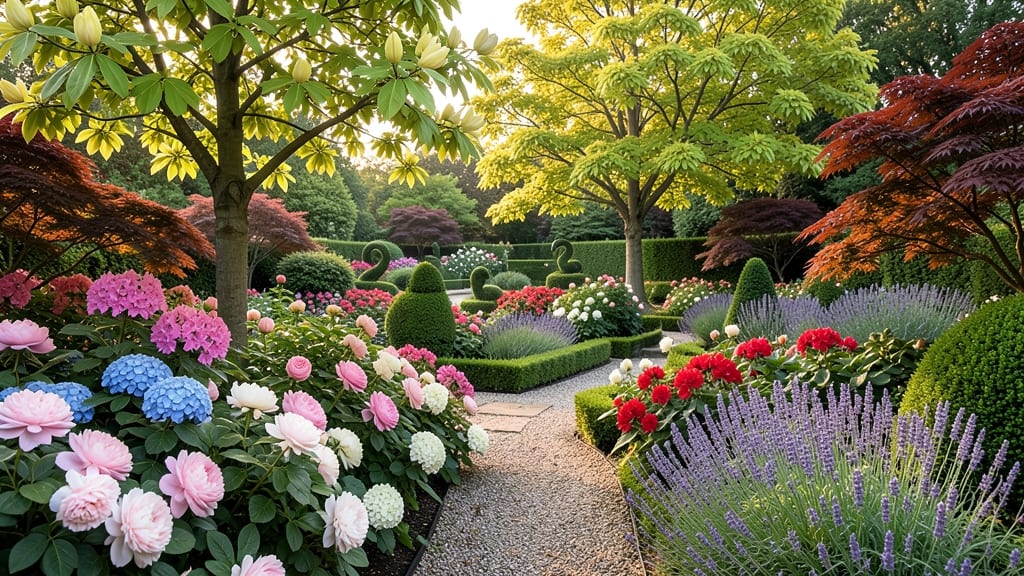
Butchart Gardens in Victoria, British Columbia, Canada, transforms into a breathtaking floral wonderland across all seasons, from its legendary Night Garden to spring tulip fields and autumn’s fiery foliage displays. The 55-acre property blends themed gardens, rare botanical collections, and ever-changing floral arrangements that captivate visitors year-round.
This world-renowned garden isn't just about beauty—it's a masterclass in seasonal horticulture. 🌸 The Night Garden's bioluminescent plants create a magical evening experience, while the Sunken Garden's hydrangeas shift colors with the seasons.
What sets Butchart apart is its ability to deliver different "wow" moments in every visit, whether you're chasing spring blooms or winter holiday displays. I always recommend planning your trip around specific events like the annual tulip festival or the autumn foliage peak, when the gardens hit their absolute prime.
Themed gardens like the Japanese Garden and Italian Garden offer peaceful escapes, while the Mediterranean Collection's drought-resistant plants showcase sustainable landscaping. For photographers, the golden-hour lighting in the Rose Garden is unbeatable—just bring a tripod for the best shots.
Pro tip: Weekday mornings are less crowded, giving you time to explore hidden corners like the Quarry Garden's waterfalls.
💡 In This Article
- Seasonal Blooms and Themed Gardens at Butchart Gardens
- Best Times to Visit and Hidden Gems for Garden Enthusiasts
Seasonal blooms and themed gardens at Butchart gardens
The magic of Butchart Gardens begins with its strategic plant selection, where horticulturists choose species that peak at different times. Spring kicks off with 20+ varieties of tulips—including rare Darwin hybrids—that bloom between late April and early May, their colors intensifying under Victoria's 10-12 hours of daylight.
The science here is fascinating: these bulbs were planted in fall 2022 to ensure synchronized blooming, a technique called "bulb forcing" that controls flowering cycles through temperature regulation. 🌷 The famous Japanese Garden's cherry blossoms follow in early May, their delicate pink petals providing a stunning contrast to the tulip fields.
Summer transforms the gardens into a rosary of colors with over 5,000 rose bushes in full bloom from June to September. The 100-year-old Sunken Garden features hydrangeas that change hue based on soil pH—acidic soil turns them blue, while alkaline produces pink.
This chemical reaction (anthocyanin pigment shifts) creates the garden's signature "color-changing" effect. 🌸 The Mediterranean Collection's drought-resistant plants thrive here thanks to irrigation systems that mimic natural rainfall patterns, reducing water usage by 40% compared to traditional gardens.
Autumn brings fiery foliage displays when Japanese maples and liquidambars burst into reds, oranges, and purples. The 15-acre treed areas were specifically planted with species that peak in October, creating a 3-week window of peak color—a carefully timed horticultural masterpiece.
The Night Garden's bioluminescent plants (like glow-in-the-dark mushrooms) reach their peak in September when temperatures average 15-18°C (59-64°F), making it the perfect evening spectacle. 🌿
Winter isn't neglected—holiday displays featuring 50,000+ lights and themed decorations transform the gardens into a winter wonderland. The Christmas Tree Garden features 100+ trees decorated with 250,000 LED lights, while the Snowflake Garden showcases ice sculptures that last 4-6 weeks due to Victoria's mild winters.
The horticultural team uses specialized misting systems to preserve delicate winter blooms like hellebores, which thrive in 5-10°C (41-50°F) temperatures.
What makes Butchart Gardens truly special is its year-round blooming strategy. While many gardens have dormant winters, Butchart maintains active displays in every season through careful plant layering.
For example, the Italian Garden's camellias bloom from November to March, while the Rhododendron Garden features 1,500+ plants that peak in May. This 12-month blooming cycle ensures visitors always find something spectacular—whether it's spring tulips or winter lights. 💫
Themed gardens like the Sunken Garden (designed in 1903) and Japanese Garden (1959) weren't just decorative choices—they were horticultural innovations. The Sunken Garden's 10-foot-deep basin creates a microclimate that extends the growing season by 3-4 weeks compared to surrounding areas.
Meanwhile, the Japanese Garden's pond system maintains precise humidity levels, allowing tropical plants like gingko trees to thrive in Victoria's marine west coast climate. These design choices weren't just aesthetic—they were functional solutions to local growing conditions. ✨