
Fertilization
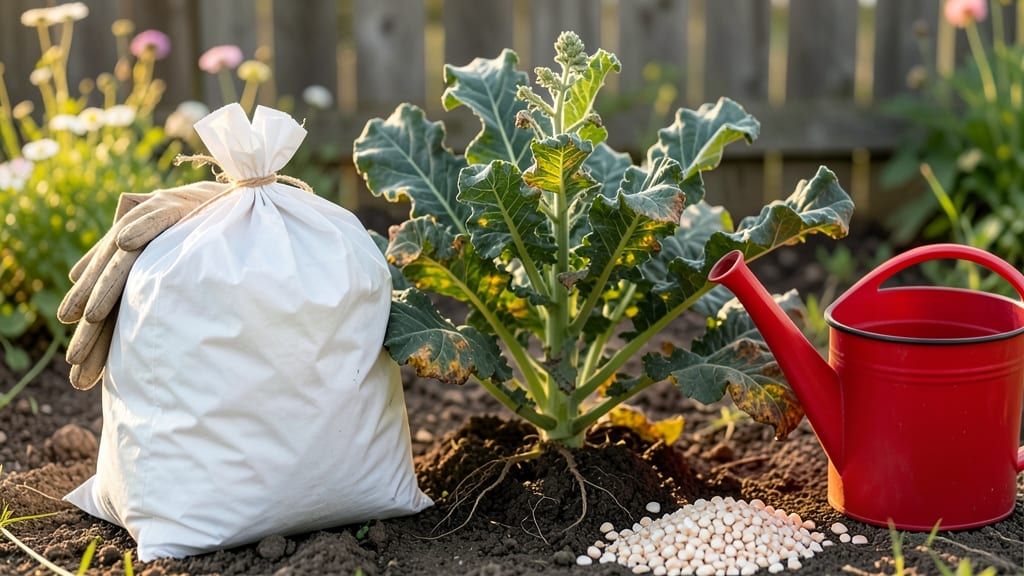
Calcium for gardens is essential for preventing blossom end rot in tomatoes and peppers while fortifying plant structures, boosting drought tolerance, and improving fruit firmness through proper nutrient balance. Use lime, gypsum, or foliar sprays for effective application.
Calcium acts like a structural support system for plants, especially in their growing points and fruit development.
When plants lack sufficient calcium, they develop blossom end rot—those unsightly dark spots on tomatoes and peppers—because calcium helps regulate cell membrane stability. 🌱 Beyond preventing rot, calcium also enhances a plant's ability to withstand environmental stress like drought or heat waves, making it a twofold investment in plant health.
Most gardeners overlook that calcium doesn't move easily through plant tissues, so applying it directly to the soil (like with gypsum or lime) ensures roots can absorb it efficiently.
For faster results, foliar sprays deliver calcium straight to the leaves, which is particularly helpful during flowering or fruiting stages when demand spikes. The key is consistency—regular applications prevent deficiencies before they cause visible damage.
💡 In This Article
- How Calcium Prevents Blossom End Rot and Strengthens Plants
- Best Ways to Add Calcium to Soil and Foliar Feeding Tips
How calcium prevents blossom end rot and strengthens plants
Calcium acts as a cellular glue, binding to pectin in plant cell walls to maintain rigidity and structure. When calcium levels drop—often due to uneven watering or high nitrogen fertilization—the cell walls weaken, leading to blossom end rot, where fruit develops dark, sunken lesions.
This occurs because calcium is immobile in plants; it can't travel from older to younger tissues, so new growth suffers first. 🌱 For example, tomatoes and peppers are particularly vulnerable because their rapid fruit development demands high calcium uptake during flowering.
The science gets even more interesting when you consider calcium's role in osmotic regulation. It helps plants manage water balance by stabilizing membranes, which is why calcium-deficient plants wilt more easily under drought stress.
Studies show that plants with adequate calcium maintain 30-40% better water retention during dry spells compared to deficient counterparts. The difference is visible: healthy plants stand firm, while calcium-starved ones droop even with moderate dehydration.
Not all calcium sources work the same way. Gypsum (calcium sulfate) is highly soluble and improves soil structure without altering pH, making it ideal for sandy soils where water drains too quickly.
On the other hand, lime (calcium carbonate) raises pH while supplying calcium, which is better for acidic soils but can harm acid-loving plants like blueberries. The absorption mechanism differs too: gypsum dissolves rapidly, releasing calcium for immediate root uptake, while lime takes weeks to break down and become available.
Calcium deficiency symptoms go beyond fruit rot. Look for yellowing leaves with brown edges, stunted growth, or weak stems that snap easily. These signs appear because calcium is crucial for cell division and enzyme activation—without it, plants can't grow properly or defend against pathogens.
For instance, calcium-deficient cucumbers develop corky spots on their skin, while peppers may fail to set fruit entirely. The fix? Apply calcium-rich amendments before planting and supplement with foliar sprays during fruiting stages.
What most gardeners miss is that calcium works best when paired with magnesium. These two minerals compete for uptake, so adding Epsom salt (magnesium sulfate) can sometimes worsen calcium deficiencies. The solution?
Test your soil first—ideal calcium levels range between 1,000-2,000 ppm in the root zone. If your soil tests low, combine gypsum with a low-magnesium fertilizer to avoid nutrient lockout. 💫
For foliar applications, mix 1 tablespoon of calcium nitrate per gallon of water and spray leaves until damp, focusing on new growth. This method delivers calcium directly to where it's needed most—unlike soil amendments, which take time to reach the roots.
The best time to apply is early morning or late afternoon to prevent leaf burn from evaporation. Within 3-5 days, you'll see improved cell wall strength and reduced rot risk in developing fruit.