
Container Gardens
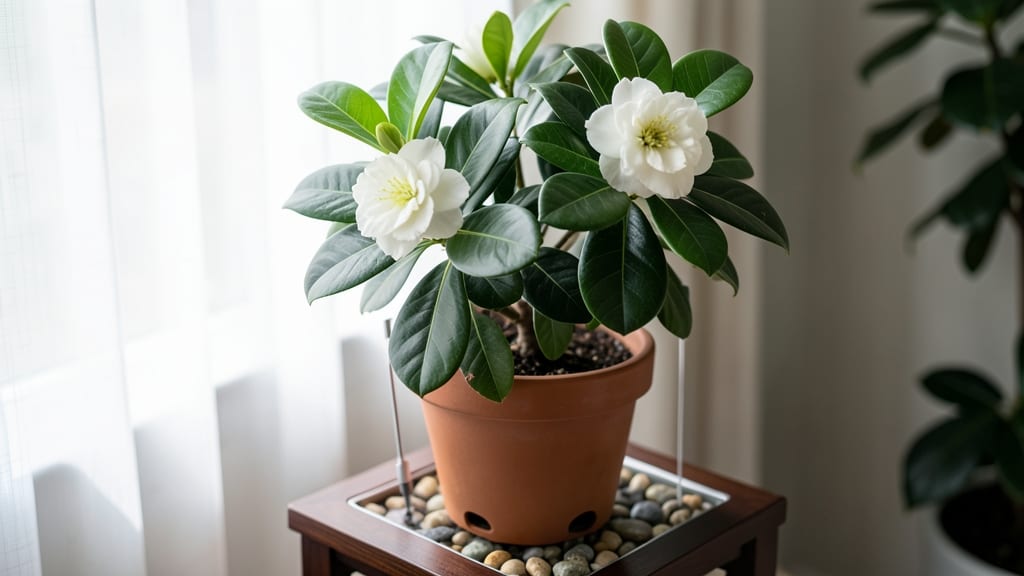
Growing gardenias indoors is absolutely possible with ideal conditions: they thrive with bright, indirect light for at least six hours daily, humidity levels above 60%, and temperatures kept between 60-75°F. Prune after blooms fade to promote new growth, but use gentle cuts to avoid shocking the plant.
Gardenias love replicating their natural tropical habitat, which is why they demand specific conditions indoors. 🌿 The key is mimicking their native environment where they receive dappled sunlight through forest canopies—this means placing them near east or north-facing windows where light is bright but filtered.
For humidity, a simple pebble tray with water beneath the pot works wonders, especially in dry climates. I've found that grouping plants together also creates a microclimate that boosts moisture levels naturally.
These conditions aren't just about aesthetics—they directly impact the plant's ability to photosynthesize efficiently and resist common indoor pests like spider mites.
When it comes to pruning, timing matters more than you might think. The best approach is to wait until the blooms have completely faded and the stems begin to yellow—this signals the plant's natural growth cycle is ready for renewal.
Using sharp, sterilized pruners at a 45-degree angle just above a leaf node encourages bushier growth and more abundant flowering. What many gardeners overlook is the importance of post-pruning care: giving the plant a light feeding with an acid-loving fertilizer helps it recover and prepare for its next blooming cycle.
💡 In This Article
- Indoor Light and Humidity Requirements for Thriving Gardenias
- Step-by-Step Pruning Guide for Indoor Gardenia Blooms
Indoor light and humidity requirements for thriving gardenias
Gardenias evolved in tropical climates where they receive bright but diffused sunlight through dense forest canopies. This means their leaves are adapted to maximize photosynthesis at lower light intensities, but they still need 6-8 hours of indirect light daily to thrive indoors.
The ideal light spectrum for gardenias falls between 400-700 nanometers (visible light range), with a particular sensitivity to blue light (450-495 nm) which drives chlorophyll production. Without sufficient light, you'll notice stunted growth, fewer blooms, and pale leaves that lack the rich green color of healthy plants.
To replicate these conditions, position your gardenia near an east-facing window where morning sun provides gentle illumination without harsh afternoon rays. If natural light is insufficient, supplement with a full-spectrum LED grow light placed 12-18 inches above the plant for 12-14 hours daily.
I've found that LED bulbs with a 6500K color temperature (cool white) work best, as they closely mimic natural daylight. For humidity, aim to maintain levels above 60%—this prevents the plant from drying out and reduces susceptibility to fungal diseases like powdery mildew.
A simple pebble tray filled with water and placed under the pot creates a localized humid microclimate, especially effective in dry indoor environments.
The science behind humidity requirements ties directly to the plant's transpiration process. Gardenias have thin, waxy leaves that minimize water loss, but they still need moisture in the air to maintain optimal cellular function.
When humidity drops below 50%, the plant's stomata (tiny pores) close to conserve water, which slows photosynthesis and nutrient uptake.
This is why you might see leaf edges turning brown or crispy—it's a clear sign the plant is struggling to maintain proper hydration. 💧 Grouping multiple plants together also helps, as they collectively release moisture through transpiration, creating their own humid microenvironment.
Temperature plays a supporting role in these conditions, with gardenias preferring a stable range of 65-75°F during the day and no lower than 60°F at night. Fluctuations outside this range can stress the plant, leading to dropped buds or leaves.
What's often overlooked is the importance of air circulation—while gardenias need humidity, they also benefit from gentle airflow to prevent stagnant air that can encourage pests. A small oscillating fan on low speed near the plant helps maintain this balance without creating drafts that could damage delicate blooms.
For those in apartments with limited natural light, consider using a smart grow light system with adjustable spectra—some models allow you to increase blue light during vegetative growth phases and shift to more red light (620-750 nm) when encouraging flowering.
The key is consistency: gardenias respond best to stable conditions, so avoid moving them frequently or exposing them to sudden temperature changes.
With the right light and humidity setup, you'll see stronger stems, glossier leaves, and more abundant blooms that release their signature sweet fragrance—especially in the evening when gardenias naturally release the most scent.