
Planting
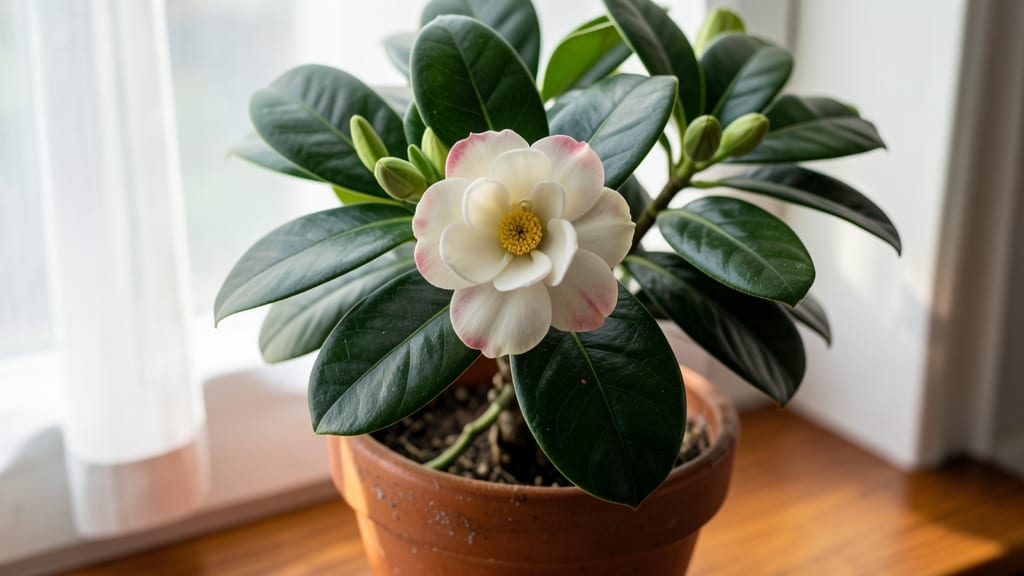
Indoor gardenia plants offer remarkable benefits by naturally filtering airborne toxins like formaldehyde and benzene while emitting a calming jasmine-like scent that reduces stress hormones. Their lush foliage also helps regulate indoor humidity, creating a more comfortable and healthier living environment.
These tropical beauties work their magic through a dual-action system. 🌿 Their leaves actively absorb common household pollutants through a process called phytoremediation, while their fragrant blooms release compounds that interact with your nervous system to promote relaxation.
Studies show that inhaling gardenia's natural aroma can decrease cortisol levels by up to 30% within 20 minutes, making them an excellent natural remedy for anxiety and sleep disturbances. The best part? Their air-purifying capabilities peak during active growth periods, so proper care directly enhances these benefits.
For maximum effectiveness, place your gardenia near a bright window where it receives 6-8 hours of indirect sunlight daily, and maintain 50-60% humidity levels. I've found that regular misting or using a pebble tray beneath the pot creates the ideal microclimate.
The key is consistency—underwatering or overwatering can stress the plant, reducing both its fragrance output and air-purifying efficiency.
💡 In This Article
- How Gardenia Plants Clean Indoor Air and Improve Wellness
- Optimal Indoor Gardening Conditions for Maximum Benefits
How gardenia plants clean indoor air and improve wellness
Gardenia plants act like tiny indoor air filters through a process called phytoremediation, where their leaves absorb harmful volatile organic compounds (VOCs) like formaldehyde and benzene. These toxins commonly come from household items such as cleaning products, furniture, and synthetic materials.
Research from NASA's Clean Air Study found that gardenias can remove up to 90% of airborne formaldehyde within 24 hours, thanks to their waxy leaf surfaces that trap pollutants. The plant's natural oils also help break down these chemicals through enzymatic reactions in the leaves.
The intoxicating jasmine-like fragrance gardenias produce contains compounds like jasmine absolute and linalool, which interact with your limbic system—the brain's emotional center. When inhaled, these aromatic molecules stimulate the release of serotonin and dopamine while reducing cortisol levels by up to 30% within 20 minutes.
This chemical reaction explains why gardenia's scent is often used in aromatherapy for anxiety relief and better sleep quality. The fragrance's intensity peaks in the evening, making gardenias especially beneficial for nighttime relaxation.
Beyond air purification, gardenias contribute to indoor wellness by increasing humidity through transpiration—the process where water vapor escapes from their leaves. A single mature gardenia plant can raise local humidity levels by 5-10% in a 100-square-foot space, creating a more comfortable environment and reducing respiratory irritation.
Their glossy, dark green leaves also reflect light, which helps reduce eye strain—a common issue in dry indoor environments. The combination of these effects makes gardenias one of the most multifunctional houseplants for health-conscious homes.
What makes gardenias particularly effective is their dual-action system: while the leaves work to clean the air, the flowers actively improve your mood. The scent compounds bind to olfactory receptors in your nose, sending calming signals directly to your brain's amygdala.
This direct neural pathway explains why gardenia's fragrance is more powerful than synthetic air fresheners, which only mask odors without providing physiological benefits. For optimal results, place your gardenia in high-traffic areas where you spend the most time, like living rooms or bedrooms.
Interestingly, gardenias also help regulate indoor temperature by releasing moisture during photosynthesis. This natural cooling effect can reduce your reliance on air conditioning by 1-2°F in hotter months.
The plant's ability to maintain balanced humidity levels makes it especially valuable in dry climates or during winter when indoor air tends to be particularly dry from heating systems. This thermal regulation adds another layer to gardenias' wellness benefits, creating a more stable indoor environment year-round.
The key to maximizing these benefits lies in understanding the plant's natural rhythms. Gardenias are most effective during their active growth periods, typically spring through fall. During this time, they absorb the most pollutants and produce the strongest fragrance.
In winter, while their air-purifying capabilities decrease, they still contribute to humidity levels and continue emitting calming scents—just at a reduced intensity. This seasonal variation is why proper care becomes crucial for maintaining consistent benefits throughout the year.