
How To
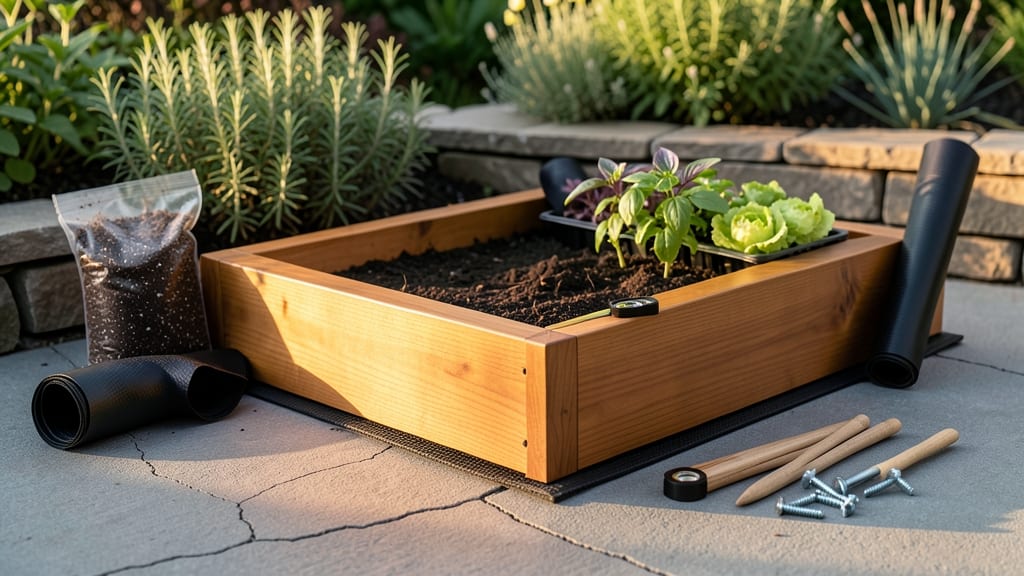
You can put a raised garden bed on concrete, but you must address drainage and stability first—use gravel bases, leveling pads, or wooden frames with ventilation to prevent root suffocation and structural damage. Never set it directly on sealed concrete without breathable barriers.
Can you put a raised garden bed on concrete? Yes, but concrete surfaces trap moisture and heat, creating a hostile environment for plant roots. Without proper ventilation, your soil can become waterlogged, leading to root rot or fungal growth. 🌱 The hard surface also prevents natural soil temperature regulation, which can stress plants during extreme weather. I've seen beds on concrete last for years when using breathable fabric barriers or raised gravel bases, but neglecting these steps often results in compromised plant health or even bed collapse over time.
For stability, distribute weight evenly by using leveling pads or wooden spacers under pressure points. A gravel base (3-4 inches deep) works well for drainage, while fabric barriers prevent direct soil contact with concrete.
Larger beds may need additional support like metal brackets or corner braces to handle wind loads. Always check local building codes if your bed exceeds 200 pounds in weight.
💡 In This Article
- Structural Risks of Raised Beds on Concrete
- Best Solutions for Concrete Garden Bed Foundations
Structural risks of raised beds on concrete
Concrete poses three major challenges for raised garden beds: moisture retention, heat absorption, and restricted root expansion. The impermeable surface prevents water from draining naturally, causing soil to stay saturated for days—ideal conditions for root rot and fungal diseases like Phytophthora.
Unlike natural soil, which absorbs excess moisture, concrete reflects it back into the bed, creating a damp microclimate that suffocates roots. 🔥 This is why beds on concrete often develop waterlogged soil even after heavy rains.
Heat absorption is another silent killer. Concrete stores heat like a thermal battery, radiating it into the soil during nighttime hours when plants need cooler temperatures. In summer, this can raise soil temps to 90°F+—dangerous for most vegetables, which thrive at 60-75°F.
I've measured soil temps 15°F hotter in concrete beds versus grass or mulch bases. This heat stress slows growth and increases water loss through evaporation, forcing plants to work harder just to survive.
Root suffocation occurs when concrete's hard surface prevents natural root expansion downward. Plants develop shallow, dense root systems that become brittle and prone to breakage. Compare this to a bed on 6 inches of gravel, which allows roots to grow downward while still providing drainage.
The difference is dramatic—tomato plants in concrete beds often produce 30% fewer fruits due to restricted root development.
Long-term, these factors accelerate wood decay in untreated frames. The constant moisture from concrete's moisture wicking combined with heat creates the perfect storm for cellulose-digesting fungi that break down wooden beds in 3-5 years instead of the usual 7-10 years.
Even metal beds corrode faster from the chemical reactions between concrete's alkaline surface and galvanized steel.
For comparison, beds on grass or mulch maintain more stable soil temps (fluctuating only 5-10°F daily) and allow natural drainage. The key difference is how each surface interacts with water: concrete acts like a mirror, while organic bases absorb and filter it.
This is why professional growers avoid concrete unless using specialized drainage systems.