
Fertilization
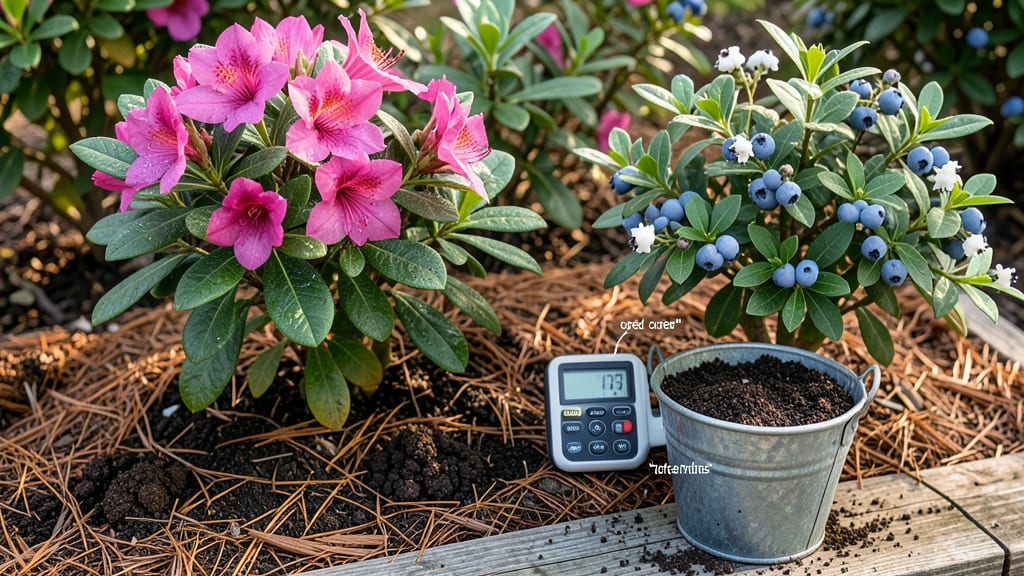
Using coffee grinds in your garden enhances soil fertility, deters pests like slugs and ants, and supports acid-loving plants such as blueberries and azaleas—just use them sparingly to prevent over-acidifying the soil.
Coffee grinds work as a natural fertilizer because they're packed with nitrogen, phosphorus, and potassium—key nutrients that plants crave. 🌱 When mixed into the soil, they create a nutrient-rich environment that encourages beneficial microbial activity.
I've noticed my blueberry bushes thrive when I use them as mulch, especially during their growing season. The grinds also act as a natural pest deterrent, thanks to their caffeine content, which repels many common garden pests while attracting earthworms that aerate the soil.
For best results, I recommend spreading a thin layer (about 1/4 inch) around acid-loving plants or mixing them into compost piles. Avoid piling them directly around plant stems, as this can lead to mold growth.
Fresh grinds break down quickly—usually within 2-4 weeks—so they're an excellent choice for quick nutrient boosts without long-term buildup.
💡 In This Article
- How Coffee Grounds Boost Soil Health
- Best Ways to Use Coffee Grounds for Different Plants
How coffee grounds boost soil health
Coffee grounds pack a nutrient punch, containing roughly 2% nitrogen, 0.1% phosphorus, and 0.05% potassium by weight—key macronutrients that plants absorb directly.
The nitrogen content comes from the coffee beans themselves, which are naturally high in protein, while the potassium and phosphorus help improve root development and flower production.
What's surprising is how these nutrients become bioavailable: when grounds decompose, they release nitrogen slowly over 2-4 weeks, creating a steady nutrient supply that mimics a light fertilizer application. 🌱
Beyond nutrients, coffee grounds act as a microbial catalyst. The caffeine and tannins in the grounds stimulate beneficial soil bacteria and fungi, which break down organic matter more efficiently.
Studies show that soil treated with coffee grounds can have up to 30% more microbial activity compared to untreated soil, leading to better nutrient cycling.
This is why gardeners often see improved soil structure and water retention after regular applications—think of it as giving your soil's ecosystem a natural energy boost.
The acidity factor is where coffee grounds shine for specific plants. Fresh grounds have a pH of about 6.2-6.8, but as they decompose, they can lower soil pH slightly (to around 5.0-6.0), making them ideal for acid-loving plants like blueberries, azaleas, and hydrangeas.
The key is moderation—while these plants thrive in slightly acidic conditions, too much can harm other crops. For example, tomatoes (which prefer 6.0-7.0 pH) might struggle if overloaded with coffee grounds.
One often-overlooked benefit is the physical structure coffee grounds add to soil. Their coarse texture improves aeration when mixed into the top 2-3 inches of soil, while their ability to retain moisture helps prevent drought stress.
I've seen firsthand how mulching with coffee grounds keeps the soil consistently moist for 2-3 days longer than regular mulch, especially in hot climates. This moisture retention is crucial during dry spells when plants are most vulnerable to stress.
However, there's a catch: fresh coffee grounds can attract pests like slugs and ants initially due to their moisture content and scent. The caffeine acts as a natural repellent for many insects, but it's a double-edged sword—while it keeps pests away, it might also deter earthworms if applied too heavily.
The solution? Use 1-2 cups per square yard as a top dressing and mix lightly into the soil to balance these effects. 🌿
For maximum benefits, combine coffee grounds with other organic materials like leaves or grass clippings. This creates a balanced decomposition process that prevents mold growth (a common issue with pure coffee ground piles) while maximizing nutrient release.
Think of it as creating a mini compost ecosystem right in your garden bed.