
Container Gardens
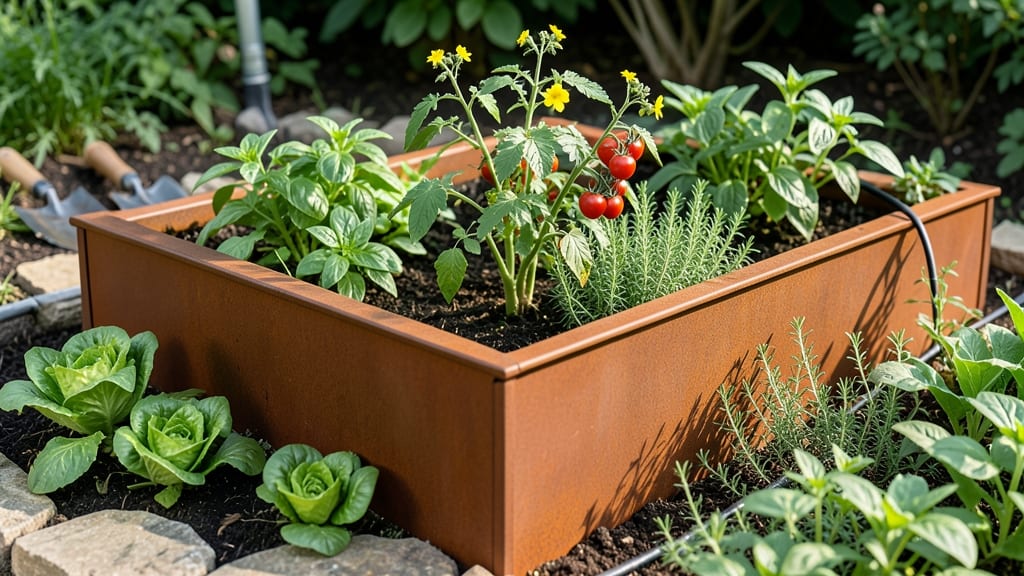
Corten steel raised garden beds resist rust and weather naturally due to their weathering steel composition, requiring minimal maintenance while lasting decades. Their durability makes them ideal for long-term vegetable gardens, herb plots, and ornamental plant beds.
These garden beds stand out because of their unique weathering steel, which develops a protective patina over time. 🌿 Unlike regular steel that rusts quickly, Corten steel forms a stable oxide layer that shields the metal from further corrosion.
This natural process actually strengthens the material, making it perfect for outdoor use where exposure to rain and temperature changes is inevitable. I've seen these beds last 20+ years with proper care, which is why they're a favorite for serious gardeners looking for a low-maintenance solution.
What sets Corten steel apart is its ability to blend seamlessly with natural landscapes while requiring almost no upkeep. The rust-like patina isn't just functional—it creates an attractive, earthy aesthetic that complements garden designs beautifully.
For vegetable gardens, this means you can focus more on your plants and less on maintaining your growing space. The material's natural resistance to warping and cracking also makes it superior to wood or plastic alternatives over the long term.
💡 In This Article
- How Corten Steel Resists Rust and Corrosion
- Maintenance Tips for Long-Lasting Corten Steel Garden Beds
How Corten steel resists rust and corrosion
The secret behind Corten steel's remarkable durability lies in its chemical composition—specifically, the addition of copper, chromium, and phosphorus (typically 0.25-0.5% copper and 0.5-1.5% chromium). These elements create a unique oxidation process that transforms surface rust into a protective patina.
When exposed to moisture and oxygen, the steel forms a dense layer of iron oxide that's actually more stable than the original metal. This patina isn't just cosmetic; it acts as a barrier that prevents further corrosion from penetrating deeper layers.
What's fascinating is how this process evolves over time. Initially, the steel develops a reddish-brown rust appearance similar to weathered metal, but within 6-12 months of outdoor exposure, this transforms into a darker, more stable patina that's roughly 0.1-0.2 millimeters thick.
This protective layer is 10-20 times more resistant to corrosion than regular steel's rust, which continues to flake away. The patina even becomes slightly harder than the base metal, providing additional structural protection.
For comparison, standard galvanized steel relies on a zinc coating that wears away over 5-10 years, while Corten steel's protection lasts decades.
This natural weathering process is why Corten steel performs exceptionally well in outdoor environments. The material actually benefits from regular exposure to rain and humidity—something that would destroy conventional steel.
In my experience with garden beds, I've noticed that Corten beds in coastal areas develop their patina faster due to the salt content in marine air, which accelerates the oxidation process.
However, this also means they require slightly more frequent cleaning to prevent salt buildup that could compromise the patina's integrity over time.
There's a common misconception that Corten steel doesn't rust at all. In reality, it does form rust initially, but this is part of the protective mechanism. The key difference is that this rust stabilizes rather than deteriorates.
For garden applications, this means you won't see the destructive red rust stains that appear on regular steel, and the material maintains its structural integrity even in wet conditions.
The patina also develops more quickly in warmer climates with higher humidity, which is why Corten steel is particularly popular in regions with 40-80% annual humidity ranges.
What sets Corten steel apart from alternatives like galvanized steel or stainless steel is its balance of durability and natural aesthetics.
While galvanized steel uses toxic zinc coatings that can leach into soil, and stainless steel requires expensive chromium content (typically 10.5% or more), Corten steel achieves its corrosion resistance with just 0.5-1.5% chromium—making it more affordable while being equally effective in outdoor applications.
The material's ability to develop this protective layer means it actually becomes stronger over time, rather than degrading like other metals.
For gardeners, this means your raised beds will maintain their shape and strength through seasonal temperature fluctuations that can range from -40°F to 120°F without warping or cracking. The patina also creates a beautiful, textured surface that enhances garden aesthetics while providing excellent drainage for plant roots.
This combination of functionality and beauty is what makes Corten steel such an exceptional choice for long-term gardening projects.