
How To
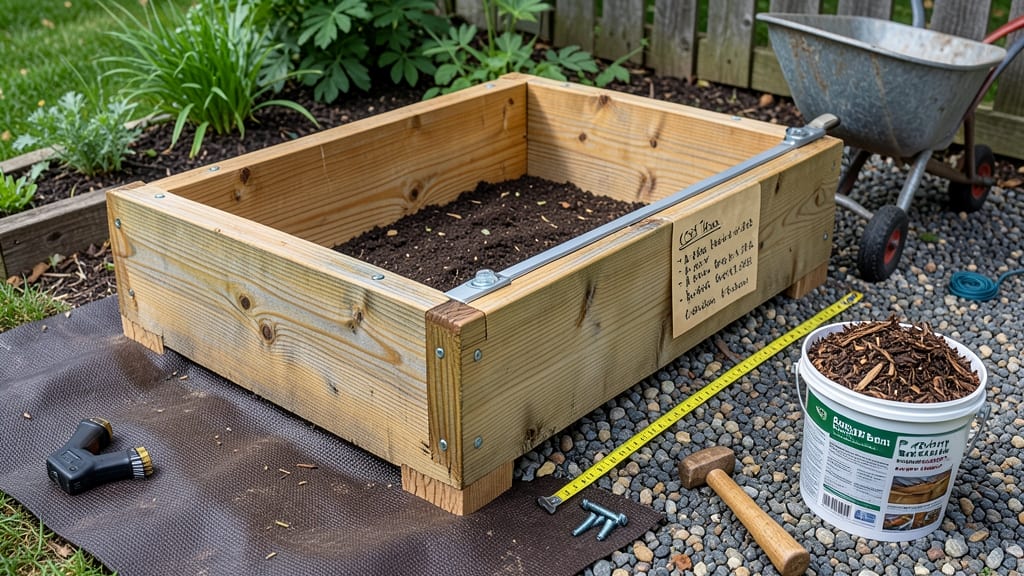
The cost to build a raised garden bed typically ranges from $100 to $1,200+, with most DIY projects for a standard 4’x8’ bed falling between $150–$500. Material choices like cedar (pricier) versus untreated lumber (budget-friendly) significantly impact expenses, while professional installation can add $500–$2,000+ to your total. Higher-quality, rot-resistant materials may cost more upfront but extend the bed's lifespan.
The price you pay for a raised garden bed depends on more than just the materials—it’s also about how much time and effort you’re willing to invest. 🌱 For example, a simple 4’x4’ bed made from basic untreated lumber might run around $100, while a larger 8’x12’ bed with cedar or composite materials can easily exceed $1,000.
If you’re handy with tools, building it yourself can save hundreds, but if you’re short on time or dealing with tricky terrain, hiring a pro might be worth the extra cost.
I’ve seen projects where the labor alone doubled the material expense, so weighing your skills against your schedule is key.
Another factor to consider is the long-term value.
While untreated wood is the most budget-friendly option, it may need replacing every few years, whereas cedar or composite materials can last a decade or more. 💫 This trade-off is especially important if you’re planning to grow vegetables for years to come—sometimes spending a little extra upfront saves money (and frustration) down the road.
💡 In This Article
- Raised Garden Bed Cost Factors by Material and Size
- DIY vs Professional Raised Garden Bed Installation Costs
Raised garden bed cost factors by material and size
Material choice is the single biggest cost driver in raised garden beds. Untreated pine or fir lumber costs just $1–$3 per board foot, making a basic 4’x8’x12” bed run around $150–$250 for materials alone.
Cedar, prized for its natural rot resistance and aromatic scent, jumps to $4–$8 per board foot, pushing that same bed to $300–$500.
Redwood falls in between at $3–$6 per board foot, while composite lumber (plastic-wood blends) can cost $8–$15 per board foot—nearly doubling the price but offering 20+ years of weatherproof durability.
The size of your bed directly impacts material costs through linear footage. A 4’x4’ bed uses about 16 linear feet of lumber, while an 8’x12’ bed requires 72 linear feet—nearly five times more material.
For example, untreated pine for that large bed would cost $144–$216, but cedar would leap to $576–$972. Bulk purchasing can cut costs by 10–20% when buying from lumberyards versus home improvement stores, though you’ll need to account for waste (typically 10–15% of materials).
The weight also matters—cedar beds can weigh 500–800 lbs when filled with soil, requiring sturdier construction.
Durability directly correlates with material quality. Untreated wood lasts 3–5 years before needing replacement due to rot and insect damage, while cedar and redwood can last 10–15 years. Composite materials eliminate this issue entirely but come with a higher upfront cost.
For example, a 6’x12’ cedar bed might cost $700 initially but save $300–$500 over 10 years compared to replacing untreated lumber twice. The trade-off is clear: cheaper materials mean more frequent rebuilds, while premium options reduce long-term hassle and soil contamination risks.
Hidden material costs often catch builders off guard. Galvanized hardware (screws, corner braces) adds $20–$50 to a project, while landscape fabric ($10–$30) prevents weeds from invading your soil.
For raised beds taller than 12”, you’ll need additional support beams ($50–$150 extra), and corner posts ($15–$40 each) become essential for stability.
The soil itself isn’t part of the bed’s structure, but bagged gardening mix costs $0.50–$1.50 per cubic foot, meaning a 4’x8’x12” bed needs 32 cubic feet—or $160–$480 in soil alone if starting from scratch.
Consider this real-world example: A 4’x8’ cedar bed with hardware and landscape fabric costs $450 to build but will last 12 years with minimal maintenance. Over that time, you’d spend $900–$1,200 replacing two untreated pine beds. The cedar’s higher upfront cost pays for itself in longevity and reduced labor.
For budget-conscious gardeners, untreated wood is fine for short-term projects, but investing in cedar or composite pays dividends in time and frustration saved. 🌿
Pro tip: Measure twice, cut once. Precise cuts reduce material waste, and pre-drilling screw holes prevents wood splitting—a common mistake that adds unexpected costs. Using leftover lumber for smaller beds or trellises maximizes your investment, turning what might seem like excess into additional gardening space.
The right materials aren’t just about cost; they’re about creating a foundation that grows with your garden. ✨