
Blooming
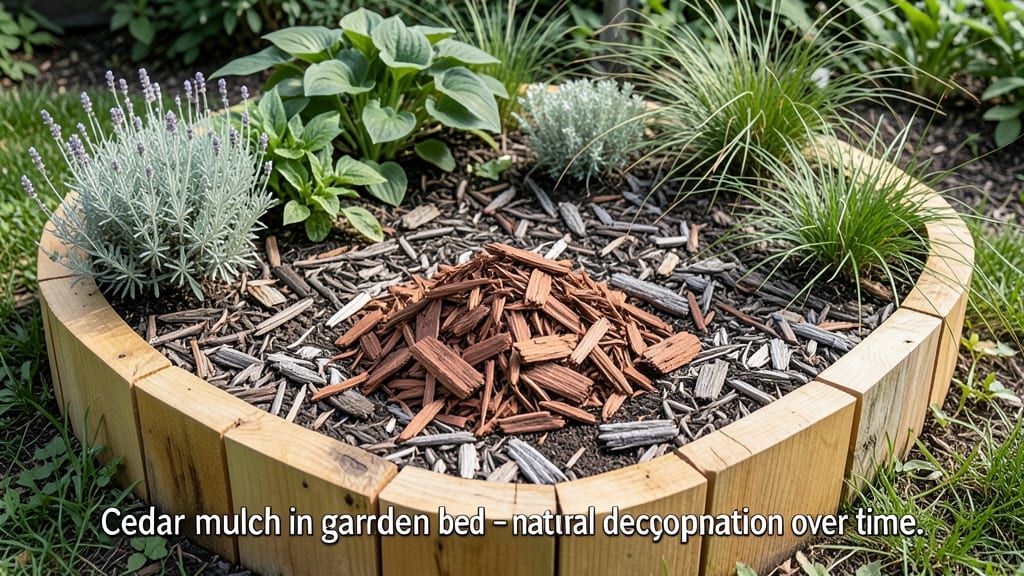
Cedar garden beds last 10 to 15 years on average, but with proper care—like sealing, spacing, and protecting from ground moisture—they can endure 20 years or longer. Exposure to harsh weather and acidic soil speeds up wear, so regular upkeep is essential for durability.
Cedar's natural oils make it more resistant to rot than many woods, but that doesn't mean it's indestructible. 🌳 The real lifespan battle comes down to moisture and sunlight—cedar swells when wet and cracks under prolonged UV exposure.
I’ve seen beds last decades in dry climates with annual sealing, while others fail in 5 years if buried too deeply or left unprotected. The key is balancing cedar’s strengths with smart placement and maintenance.
Think of it like skincare for your garden: regular sealing acts as sunscreen, keeping the wood from drying out or absorbing too much moisture. A good rule of thumb is to seal new cedar beds every 1-2 years, then switch to every 3-5 years once they're established.
And if you notice graying or rough spots, that’s your cue to refresh the finish before problems start.
💡 In This Article
- Factors That Shorten or Extend Cedar Wood Lifespan
- Maintenance Tips to Prolong Cedar Garden Bed Life
Factors that shorten or extend cedar wood lifespan
Cedar’s natural oils—like thujaplicin and hinokitiol—act as a built-in preservative, making it more resistant to rot and insects than pine or fir. These compounds create a protective barrier that repels fungi and insects, which is why cedar lasts longer than untreated alternatives.
However, this resistance isn’t absolute: when cedar absorbs moisture (above 19% moisture content), its cellular structure breaks down, leading to warping or cracking. In wet climates, this can cut a bed’s lifespan by 30-50% compared to dry regions.
The soil’s pH plays a surprising role too. Acidic soils (below 6.0 pH) accelerate decay by breaking down cedar’s lignin, the compound that gives wood its rigidity.
I’ve noticed beds in peaty or pine-needle-rich soil degrade faster—sometimes within 5-7 years—because the acidic environment mimics the conditions where fungi thrive. Conversely, alkaline soils (above 7.5 pH) slow decay by inhibiting fungal growth, extending cedar’s life by up to 50% in ideal conditions.
Sunlight is another silent killer. Cedar’s natural oils protect against moisture but don’t shield it from UV rays, which cause surface graying and brittleness over time.
Beds exposed to 6+ hours of direct sunlight daily may need resealing every 1-2 years, while shaded beds can go 3-5 years between treatments. The trade-off? Shaded cedar retains its rich color longer but risks moisture buildup if not properly ventilated.
Ground contact is the biggest lifespan killer. Cedar buried directly in soil loses its protective oils faster due to constant moisture and microbial activity. Elevating beds on gravel bases (4-6 inches deep) or using ground contact preservatives can add 5-10 years to their life.
I’ve seen beds last 20+ years when built on concrete blocks with ventilation gaps, while those buried without protection often fail in 7-10 years.
Comparing cedar to other woods reveals its strengths: redwood lasts similarly but costs 2-3x more**; pine, only 5-8 years without treatment. The trade-off? Cedar’s natural oils require less chemical treatment than pressure-treated lumber, which can leach harmful compounds into soil over time.
For organic gardens, cedar’s longevity without harsh chemicals makes it the gold standard.
Pro tip: If you notice silver-gray streaks on cedar, it’s not mold—it’s natural weathering. Brush it off and reseal to prevent deeper damage. The moment you see soft spots or black streaks, though, fungal decay has set in, and replacement is likely needed.