
Landscaping
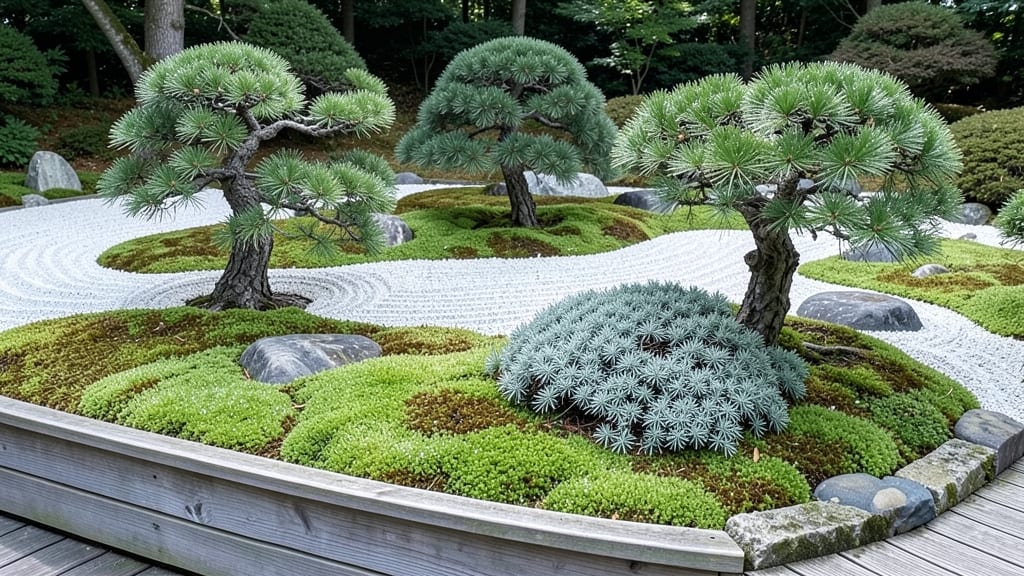
Creating a zen garden means designing a minimalist outdoor space with raked gravel patterns, smooth stones, and pruned plants to create peace and connection with nature. Prioritize clean lines, natural textures, and thoughtful placement for an authentic tranquil retreat.
Zen gardens thrive on deliberate simplicity—every element should serve a purpose while maintaining visual harmony. 🌿 The key is starting with a blank canvas: clear any clutter and focus on natural materials like weathered wood, river stones, and moss.
I recommend beginning with a focal point, such as a carefully placed boulder or a small water feature, to anchor your design and guide the eye through the space.
Beyond aesthetics, the process itself becomes meditative. Raking gravel into ripples mimics water movement, while pruning plants to their essential forms reinforces mindfulness. Even the act of selecting materials—whether it's choosing irregularly shaped stones or sourcing aged timber—becomes part of the practice.
The goal isn't perfection but creating a space that invites quiet reflection and sparks inner calm.
💡 In This Article
- Core Elements of a Traditional Zen Garden
- Step-by-Step Zen Garden Design Process
Core elements of a traditional zen garden
A traditional zen garden, or karesansui, relies on four foundational elements that work together to cultivate mindfulness: raked gravel, carefully placed stones, moss, and pruned trees.
The gravel—typically white or gray—is meticulously raked into ripples to mimic ocean waves, creating a visual rhythm that engages the eye in a repetitive, meditative motion. 🔥 Studies show that this pattern triggers a calming effect on the brain, similar to watching water flow, which is why it's central to zen design.
The stones used in these gardens are never random; each is selected for its shape, size, and symbolic meaning. For example, a single large boulder might represent a mountain, while clusters of smaller stones could symbolize islands or groups of people.
Japanese gardeners often follow the ishizuki principle, where stones are placed at specific angles (like 1:2:3 ratios) to create visual balance. The moss, usually Shinran or Climacium, serves as a natural carpet, softening the space and adding texture that contrasts with the gravel's sharp lines.
Pruned trees, particularly pines, junipers, or maples, play a crucial role by framing the space and adding vertical interest. Their branches are shaped to emphasize natural lines, avoiding symmetry in favor of organic asymmetry.
This technique, called shakkei (borrowed scenery), extends the garden's tranquility by integrating surrounding landscapes into the design. The combination of these elements—gravel, stones, moss, and trees—creates a harmonious balance that feels both structured and effortlessly natural.
What makes these elements work together is their interplay of texture and scale. The coarse, angular gravel contrasts with the smooth, rounded stones, while the soft moss and delicate foliage add warmth. This contrast isn't just visual; it's tactile and auditory too.
The sound of a rake gliding through gravel or the rustling of leaves in a gentle breeze enhances the sensory experience, making the garden a multi-dimensional retreat. 💫
Cultural significance runs deep here. In Japanese Buddhism, zen gardens aren't just decorative—they're tools for meditation. The act of raking gravel, for instance, mirrors the practice of zazen (seated meditation), where repetition and focus lead to inner peace.
Stones are often placed to represent sacred mountains or islands in Buddhist mythology, while moss symbolizes purity and resilience. Even the choice of materials reflects this philosophy: natural, unpolished stones and weathered wood embody the beauty of imperfection.
For authenticity, avoid adding bright colors or ornate decorations. Instead, focus on the interplay of light and shadow—how the morning sun highlights the texture of moss or how evening light casts long shadows across the gravel.
These subtle details are what make a zen garden feel alive, not just visually but spiritually. The goal isn't to create a static scene but a living space that evolves with the seasons and invites contemplation.