
Pests
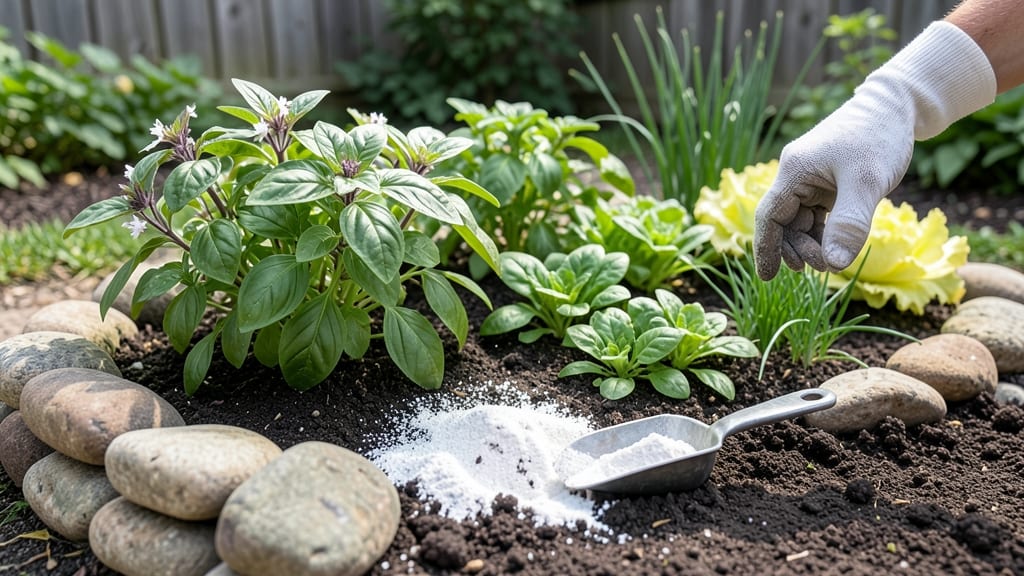
Diatomaceous earth in garden beds works by dehydrating pests like slugs, ants, and beetles through microscopic silica particles, but must be applied carefully to prevent overuse or wind spreading. Use sparingly in dry conditions for best results.
This natural pest control method targets soft-bodied insects by creating tiny abrasions in their exoskeletons, which leads to fatal dehydration within 24-48 hours. 🌱 The key advantage is its plant-safe nature when used correctly—unlike chemical pesticides, it breaks down harmlessly in soil.
For best results, apply a thin layer (1-2 tablespoons per square foot) in the evening to avoid wind dispersal and reapply after rain. I’ve found it particularly effective against grubs and aphids when mixed lightly into the top inch of soil.
Always use food-grade diatomaceous earth (never pool-grade) and wear a mask during application, as the fine powder can irritate lungs. The powder loses effectiveness when wet, so avoid using it before rain or watering. For persistent pests, combine with companion planting like marigolds or nematodes for a layered defense system.
💡 In This Article
- How Diatomaceous Earth Works Against Garden Pests
- Safe Application Rates and Best Practices for Garden Beds
How diatomaceous earth works against garden pests
Diatomaceous earth (DE) functions as a natural insecticide by exploiting the microscopic structure of its silica particles. When applied to garden beds, these particles—each measuring just 10-20 microns—have razor-sharp edges that physically damage the waxy outer layer of insects.
This creates tiny abrasions in their exoskeletons, causing them to lose moisture rapidly through a process called osmotic dehydration. Within 24-48 hours, pests like slugs, ants, and beetles die from severe dehydration, even though they may not show immediate signs of distress. 🔥
The effectiveness of DE depends entirely on its food-grade purity. Pool-grade DE, which contains aluminum silicates, is toxic to plants and humans, while food-grade DE is composed of 90% silica and is completely safe for gardens.
The sharpness of these particles comes from their fossilized origins—they’re the skeletal remains of ancient diatoms, single-celled algae with intricate glass-like cell walls. This natural sharpness is why DE works against soft-bodied insects but has minimal impact on harder-shelled creatures like snails or pill bugs.
Humidity plays a critical role in DE’s performance. In dry conditions, the powder remains effective for up to 3 months before needing reapplication. However, when moisture exceeds 50% humidity, the particles clump together, losing their abrasive properties.
This is why gardeners should apply DE in the evening or on calm days to prevent wind from dispersing it. The powder also loses potency when it gets wet, so avoid using it before rain or watering your plants. 💫
Plants remain unharmed because DE’s silica particles are too large to penetrate their cell walls. Instead, they simply rest on the soil surface or leaf surfaces, waiting to encounter pests.
The key difference between DE and chemical pesticides is its physical mode of action—it doesn’t poison insects or plants, it simply disrupts their protective layers. This makes it an ideal choice for organic gardening, where chemical residues are a concern.
For best results, apply a thin layer (1-2 tablespoons per square foot) directly where pests are active.
Consider this comparison: DE works like a microscopic sandpaper, while chemical pesticides act like poison. The former is selective and non-toxic, while the latter kills indiscriminately. For example, DE targets aphids by damaging their delicate bodies, but leaves beneficial insects like ladybugs unharmed because their exoskeletons are too tough.
This selectivity is one of DE’s greatest advantages in integrated pest management systems. ✨