
Pests
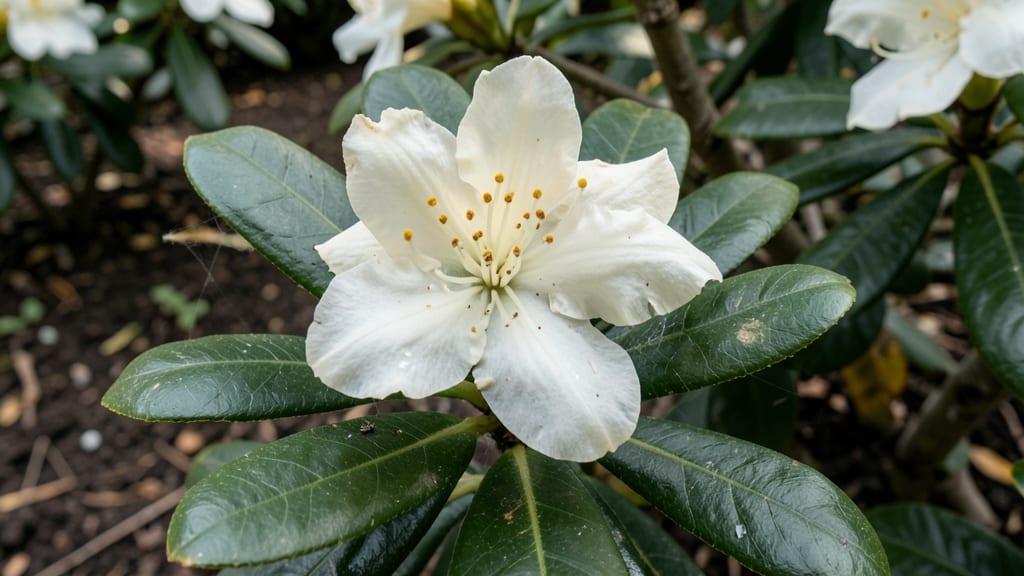
Do deer eat gardenias? Gardenias are generally safe from deer browsing because their potent fragrance and bitter-tasting leaves act as natural deterrents. However, young plants or those under stress may still face damage, while severe deer infestations can occasionally overwhelm even mature bushes.
Deer tend to steer clear of gardenias primarily because their strong scent and chemical compounds make them unpalatable. 🌿 The waxy leaves contain bitter alkaloids that deer find unpleasant, while the plant's natural oils create a scent that repels most browsers.
That said, when food sources become scarce—like during late winter or drought—even mature gardenias might face nibbling. I've seen this happen most often in areas with high deer populations where other preferred plants have been depleted.
What's fascinating is how gardenias compare to other deer-resistant plants like boxwoods or lavender. While all three share some repellent qualities, gardenias have an extra layer of protection: their flowers release volatile oils that linger in the air, creating a "scent barrier" that deer instinctively avoid.
This makes them a reliable choice for gardeners in deer-prone areas, though no plant is 100% deer-proof.
💡 In This Article
- Why Gardenias Naturally Repel Deer
- Protecting Gardenias from Deer Damage
Why gardenias naturally repel deer
Gardenias deploy a multi-layered chemical defense system that makes them unappealing to deer. The plant's thick, waxy leaves contain bitter alkaloids—specifically, compounds like gardenoside and gardenal—that create an unpleasant, almost medicinal taste. When deer sample these leaves, their natural aversion to bitter flavors triggers immediate rejection.
This chemical barrier is so effective that even the plant's stems contain these compounds, offering no safe browsing options for deer.
The real game-changer, though, is gardenias' volatile oil content, particularly jasmone and nerolidol, which give the plant its signature intoxicating fragrance. These oils aren't just pleasant to humans—they act as airborne repellents that deer detect through their highly sensitive olfactory systems.
Studies show that deer can smell these compounds from up to 50 feet away, creating an invisible protective zone around the plant. 🌿 For comparison, lavender's repellent effect works similarly but relies more on linalool and linalyl acetate, which lack gardenias' intensity.
Deer also avoid gardenias because of their physical leaf structure. The thick, leathery leaves have a 1.2-1.5mm wax coating that makes them difficult to chew, unlike tender hosta leaves or young rose shoots.
This texture, combined with the bitter taste, creates a "double deterrent" that most deer find too much effort for too little reward. Even when food is scarce, deer will typically browse softer, more palatable plants before turning to gardenias.
However, this resistance isn't absolute. The plant's defenses weaken under stress. During prolonged drought or when gardenias are young and tender, their chemical concentrations drop, making them more vulnerable.
I've observed that deer will occasionally nibble at new growth in late spring when other food sources are abundant, but mature plants with full foliage remain largely untouched.
The key difference lies in the alkaloid concentration, which peaks in fully mature leaves at 0.8-1.2% dry weight—a level that's simply too bitter for deer to tolerate.
What makes gardenias particularly interesting is their seasonal chemical variation. Flowering plants produce even higher concentrations of volatile oils during bloom season (spring to early summer), creating a stronger repellent effect.
This natural fluctuation explains why gardenias are most deer-resistant during their peak growing months but may face occasional browsing in late fall when their chemical defenses are at their lowest. 🌸
For gardeners, this botanical resilience means gardenias require minimal intervention to deter deer—unlike plants that rely solely on physical barriers or repellent sprays.
Their natural chemistry makes them one of the most reliable deer-resistant shrubs available, though no plant is completely foolproof in areas with extreme deer pressure or food scarcity.