
Tools
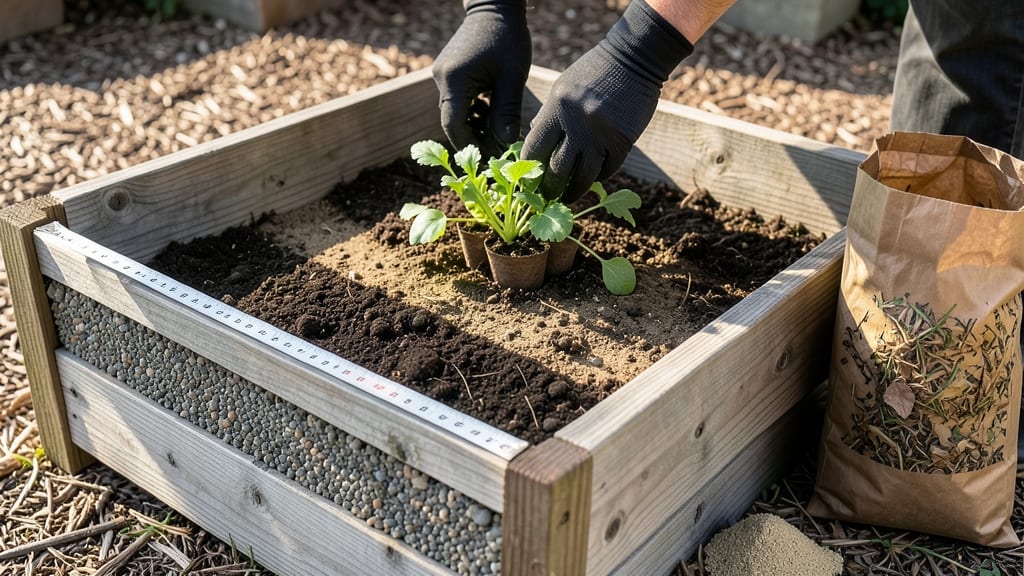
The right raised garden bed soil depth is the foundation of a thriving garden — and getting it wrong means wasted effort and stunted plants.
Picture this: You’ve spent hours building your raised beds, filling them with rich soil, and planting your favorite veggies, only to watch them struggle because the roots can’t reach deep enough.
That’s the power of soil depth — it’s not just about how much soil you add, but how you layer it for optimal drainage, root growth, and nutrition.
In this guide, I’ll break down the science behind soil depth, from the minimum 6 inches for shallow-rooted herbs to the 18+ inches deep-rooted crops like potatoes need. You’ll also learn how to layer your bed for the best results and avoid common mistakes that leave plants gasping for space.
Whether you’re a beginner or a seasoned gardener, these tips will help you create the perfect environment for your plants to flourish — no guesswork required.
Optimal raised garden bed soil depth by plant type: root zone science
When building a raised garden bed, soil depth isn’t just about filling space—it’s about creating the perfect root zone for your plants. Shallow-rooted herbs like basil thrive in just 6 inches of soil, while deep-rooted crops like asparagus demand 18+ inches to flourish.
Understanding these differences ensures your plants access nutrients, water, and stability without competing for resources.
Root systems vary dramatically between plant types. Vegetables like tomatoes and peppers need 12-18 inches of depth to support their sprawling roots, while leafy greens such as lettuce or spinach can thrive in just 6-10 inches. Flowers like marigolds or pansies often require less depth, but perennials like lavender need deeper layers to establish strong root systems for longevity.
Here’s the science: Root zone depth directly impacts a plant’s ability to absorb water and nutrients. For example, carrots and potatoes need 12-18 inches of loose, well-aerated soil to grow straight and avoid forking. Shallow beds force these crops to compete with surface roots, leading to stunted growth or deformities.
Heavy feeders like corn, squash, and broccoli also demand deeper soil to support their nutrient-hungry foliage. Meanwhile, shallow-rooted plants such as radishes or green onions can thrive in 4-6 inches of soil, making them perfect for small or layered beds.
| Plant Type | Ideal Soil Depth | Root System | Notes |
|---|---|---|---|
| Leafy Greens (Lettuce, Spinach, Kale) | 6-10 inches | Shallow, fibrous | Fast-growing; rotate crops to avoid depletion. |
| Herbs (Basil, Parsley, Chives) | 6-12 inches | Moderate, spreading | Well-draining soil prevents rot. |
| Vegetables (Tomatoes, Peppers, Cucumbers) | 12-18 inches | Deep, extensive | Add compost for nutrient-rich layers. |
| Root Crops (Carrots, Potatoes, Beets) | 12-18+ inches | Taproot, deep | Loosen soil to prevent forking. |
| Flowers (Marigolds, Sunflowers, Lavender) | 8-12 inches | Moderate to deep | Perennials need deeper beds for longevity. |
| Fruit Plants (Strawberries, Blueberries) | 10-14 inches | Shallow to moderate | Acidic soil for berries; mulch to retain moisture. |
Adjusting your raised bed depth based on plant types prevents common pitfalls. For instance, planting carrots in a 10-inch bed will result in stunted, forked roots, while radishes in a 18-inch bed will waste space and nutrients. The key is matching the root zone to the plant’s natural growth habits.
For heavy feeders like corn or squash, prioritize 18-inch beds with a mix of compost and topsoil to support their rapid growth. These plants deplete nutrients quickly, so layering organic matter at the bottom ensures a steady supply.
Meanwhile, shallow-rooted herbs like thyme or oregano can thrive in 6-inch layers, making them ideal for small or layered beds.
If your raised bed is standard height (10-12 inches), focus on light feeders like lettuce, radishes
Layering your raised garden bed: the perfect soil mix for depth and drainage
Creating the perfect raised garden bed soil depth isn’t just about throwing in dirt—it’s about crafting a layered ecosystem that supports roots, drains properly, and holds nutrients. I’ve learned the hard way that skipping this step leads to waterlogged soil or plants that can’t access enough nutrients.
The key? A strategic layering approach that balances drainage, aeration, and fertility from bottom to top.
Most gardeners focus only on the topsoil, but the foundation matters just as much. Think of your raised bed like a lasagna: each layer has a specific job. The bottom layer handles drainage, the middle layer provides structure, and the top layer feeds your plants.
When done right, this system prevents root rot, improves water retention, and gives your plants the room to grow strong roots.
-
1. Bottom Drainage Layer (4-6 inches)
Use coarse materials like gravel, broken pottery, or landscape fabric to prevent soil from clogging drainage. This layer ensures excess water escapes while allowing roots to penetrate slightly.
-
2. Structural Layer (2-4 inches)
Add wood chips or straw to improve aeration and prevent compaction. This layer also helps roots spread without hitting hardpan.
-
3. Nutrient-Rich Topsoil (6-12 inches)
Mix high-quality topsoil with compost or aged manure (ratio: 2 parts soil to 1 part compost). This layer should be loose and crumbly for easy root growth.
-
4. Mulch Top Layer (1-2 inches)
Top with straw or wood chips to retain moisture, suppress weeds, and add organic matter as it breaks down. Avoid thick layers that can smother plants.
For deep-rooted plants like tomatoes or carrots, aim for a total depth of 12-18 inches. Shallow-rooted herbs like basil or thyme thrive in just 6-8 inches. The secret is testing your soil’s drainage first—if water pools after 30 minutes, your drainage layer needs adjustment.
I always dig a test hole to check compaction before planting.
One mistake I see often is using clay-heavy soil without amending it. Clay compacts easily, suffocating roots. Instead, blend in sand or perlite (10-20%) to improve aeration. Another tip: Avoid over-filling your bed—leave 2-3 inches of headspace for settling. Over time, organic matter breaks down, reducing depth.
Pro tip: If your bed is wider than 4 feet, divide it into sections. This prevents soil from drying out unevenly and makes maintenance easier. For example, my 8-foot bed is split into two 4-foot sections, each with its own soil mix tailored to the plants growing there.
Remember, the best soil mix is a living ecosystem. Regularly add compost or worm castings to replenish nutrients. Your plants will reward you with healthier growth, bigger yields, and fewer pests—because happy roots mean happy plants! 🌱