
Light Requirements
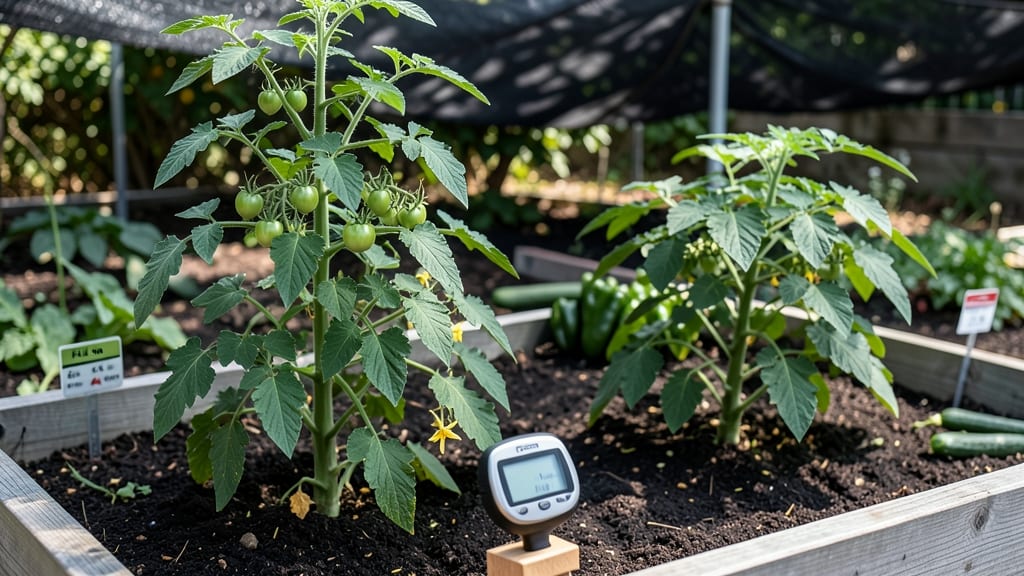
Vegetable gardens need full sun, but specific light requirements vary significantly: most vegetables thrive with 6-8 hours of direct sunlight daily, while shade-tolerant crops like lettuce or spinach can grow well with just 4-6 hours. Leafy greens and herbs generally handle partial shade better than fruiting plants such as tomatoes or peppers.
Sunlight is the energy source that drives photosynthesis, but different vegetables have unique needs based on their growth patterns. 🌱 Leafy greens like kale and Swiss chard actually benefit from partial shade in hot climates, as it prevents bolting (premature flowering) and keeps their leaves tender.
On the other hand, fruiting plants like peppers and eggplants demand full sun to produce abundant harvests, since their energy goes into developing fruit rather than foliage. Even within categories, varieties exist—some tomatoes are bred for shade tolerance, while others prioritize high yield in bright conditions.
For gardeners with limited sunlight, selecting the right crops and optimizing your space can make all the difference. 💡 Reflective surfaces like white walls or mulch can redirect light to plants, while companion planting (pairing sun-loving plants with shade-tolerant ones) creates a balanced ecosystem.
Seasonal adjustments also help—spring and fall often provide gentler light conditions that work well for many vegetables.
💡 In This Article
- Sunlight Requirements for Different Vegetable Types
- Maximizing Low-Light Vegetable Garden Success
Sunlight requirements for different vegetable types
Photosynthesis is where the magic happens—plants convert sunlight into energy, but their efficiency varies dramatically by type. Leafy greens like spinach and lettuce thrive with just 4-6 hours of direct light because they prioritize foliage growth over fruit production. Their broad leaves capture light efficiently, even in dappled shade.
In contrast, fruiting plants such as tomatoes and peppers need 8+ hours of sunlight to fuel their energy-intensive fruit development. The difference? Fruiting plants allocate up to 30% more energy to reproductive growth than leafy varieties, making them far more light-demanding.
Root vegetables like carrots and beets fall somewhere in between, typically requiring 6-8 hours of sunlight. Their energy goes into developing edible roots below ground, so they need enough light for steady growth but won’t bolt like leafy greens in heat.
Herbs like cilantro and parsley often adapt to 4-6 hours of light, but their flavor intensifies with more exposure—think of the bold taste of basil grown in full sun versus the milder flavor in partial shade.
The science here involves chlorophyll production: more light means more chlorophyll, which enhances both growth and flavor compounds.
What most gardeners overlook is how plant structure affects light needs. Tall, bushy plants like corn or pole beans create their own shade, requiring full sun to prevent crowded, leggy growth.
Meanwhile, low-growing crops like radishes or arugula can thrive in partial shade, as their compact forms don’t compete for light.
Even within a single plant family, varieties differ—some lettuce types are bred for heat tolerance and can handle 6+ hours of sun without bolting, while others wilt in anything more than 4 hours of direct light.
Seasonal light changes also play a role. In summer, intense sunlight can scorch shade-sensitive plants, while winter’s weaker light might push them to stretch unnaturally. This is why leafy greens often perform better in cooler months, even in partial shade.
The key takeaway? Match your plant’s growth habit to its light needs—fruiting plants demand the most, while leafy greens and herbs offer flexibility. Understanding these distinctions lets you design a garden that works with your space, not against it. 🌿
Consider this real-world example: A friend once struggled with bolting lettuce in her sunny garden. After switching to heat-tolerant varieties like ‘Black Seeded Simpson’ and moving some to a shadier spot, she enjoyed crisp, non-bitter greens all summer.
The lesson? Plant selection and light management are equally critical to success. Even in full-sun gardens, strategic placement of shade-tolerant crops can prevent waste and maximize harvests.