
Tools
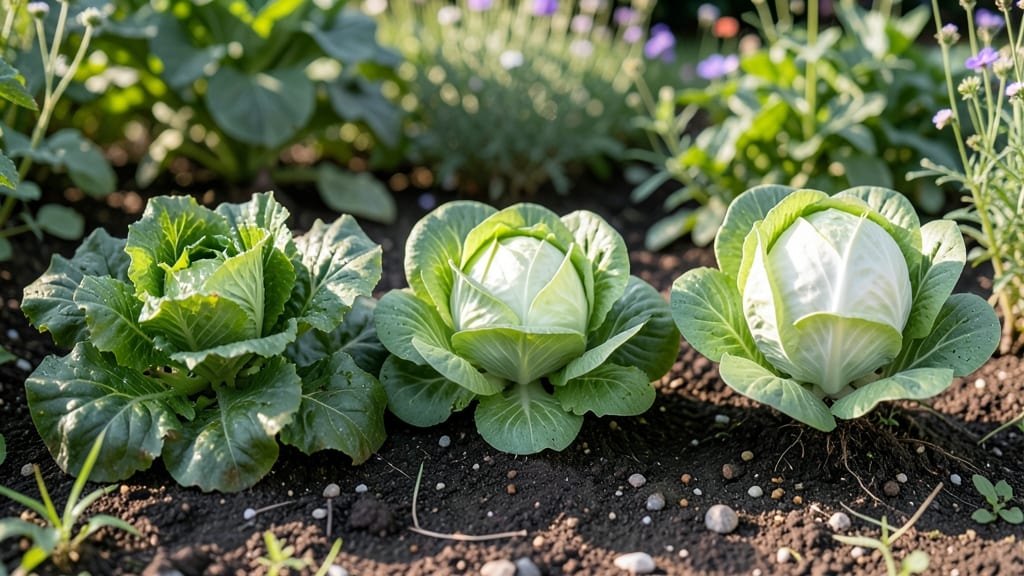
Garden lettuce types include fast-growing varieties like leaf lettuce (e.g., Black Seeded Simpson), butterhead (e.g., Bibb), romaine (e.g., Parris Island), and loose-leaf (e.g., Oakleaf), each suited for different climates and harvest speeds. Plant cool-season types in early spring or fall for best results.
Growing these varieties fast means choosing the right type for your climate—leaf lettuces mature in just 30-40 days, while romaine takes closer to 60 days. 🌱 The key is timing: plant leaf lettuce when temperatures are cool (between 45°F and 75°F) to avoid bolting, and use shade cloth in summer if you're growing heat-tolerant varieties like romaine.
I've found that succession planting every 2-3 weeks ensures a steady supply, even in short growing seasons.
Butterhead lettuce, like Bibb, is prized for its tender texture and mild flavor, but it's less heat-resistant than romaine. If you're in a warmer region, stick to loose-leaf varieties—they regrow after harvesting, giving you multiple cuts per plant.
For best results, enrich your soil with compost before planting, and keep the area weed-free to prevent competition.
💡 In This Article
- Fast-Growing Lettuce Varieties and Their Growth Traits
- Best Planting Times and Soil Conditions for Lettuce
Fast-growing lettuce varieties and their growth traits
Leaf lettuce varieties like Black Seeded Simpson are the fastest growers, reaching harvestable size in just 30-40 days under ideal conditions. These varieties thrive in cooler temperatures between 45°F and 65°F, making them perfect for early spring or fall planting.
The secret to their speed lies in their loose, non-head-forming structure—plants focus energy on rapid leaf production rather than forming a compact head. 🌱 When temperatures climb above 75°F, leaf lettuce often bolts (sends up a flower stalk), so shade cloth becomes essential in summer gardens.
Butterhead lettuce, such as Bibb, takes slightly longer—about 50-60 days—but rewards growers with delicate, sweet-tasting leaves that form tender, rounded heads. The growth process involves a slower cell division rate compared to leaf varieties, which creates that signature buttery texture.
These lettuces prefer consistent moisture and well-drained soil with a pH between 6.0 and 7.0. What sets them apart is their sensitivity to heat—they'll quickly turn bitter if exposed to temperatures above 70°F for extended periods.
Romaine varieties like Parris Island are the most heat-tolerant of the bunch, maturing in 55-65 days and handling temperatures up to 80°F better than other types. Their upright growth habit makes them ideal for larger gardens or containers.
The key to their success is consistent watering—romaine lettuce develops a slightly bitter flavor when stressed by drought. What's fascinating is how their crisp texture comes from tightly packed cells that store water efficiently, making them perfect for warm-weather salads.
Loose-leaf varieties like Oakleaf offer the most flexibility, with harvest times ranging from 30-50 days depending on the specific cultivar. Their real advantage is the "cut-and-come-again" method—you can harvest outer leaves while the inner ones continue growing, extending your harvest window by 3-4 weeks per planting.
This works because the plant's growth center remains undisturbed at the base, allowing new leaves to emerge continuously. For maximum yield, space plants 6-12 inches apart in rows 12-18 inches apart to allow airflow and prevent disease.
Here's what actually happens when you ignore these growth traits: Leaf lettuce bolted in summer? That's your plant's survival mechanism kicking in when it senses heat stress. Butterhead lettuce turning bitter? That's a chemical defense response to drought conditions.
Understanding these mechanisms helps you create the perfect growing conditions for each type. 💫 The science behind lettuce growth involves photoperiodism—day length triggers flowering in some varieties, which is why they bolt in long summer days.
For best results with fast-growing varieties, aim to plant leaf lettuce every 2-3 weeks in spring and fall. This succession planting creates a rolling harvest that keeps your kitchen stocked. Butterhead and romaine varieties benefit from a light mulch (like straw) to maintain even soil moisture.
What most gardeners don't realize is that loose-leaf varieties can actually produce 3-4 harvests per season when managed properly—far more than head-forming types.