
Tools
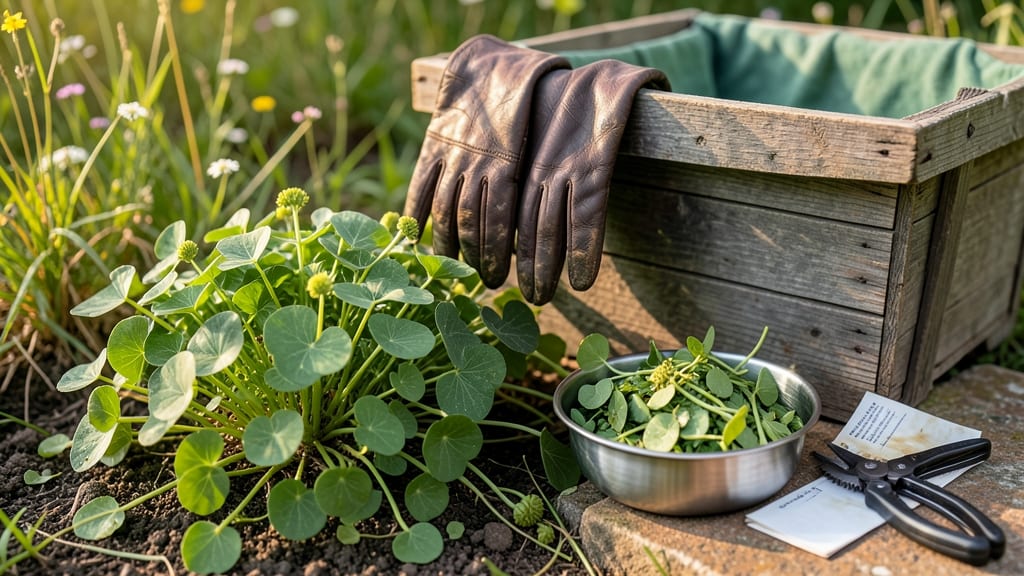
Eating weeds from the garden is safe only for edible varieties like dandelion greens, purslane, or chickweed, which must be correctly identified before harvesting. Always avoid toxic lookalikes and grow in pesticide-free soil to ensure safety.
Not all weeds are created equal—some are nutritional powerhouses, while others can be deadly. 💛 The key lies in proper identification: edible varieties like dandelion greens (rich in vitamins A and K) or purslane (packed with omega-3s) thrive alongside toxic doppelgängers like poison hemlock, which shares similar leaf shapes but contains deadly alkaloids.
I always cross-reference with field guides or apps before harvesting, and I never eat anything with a milky sap or bitter taste. Even "safe" weeds need thorough washing to remove dirt and potential pesticide residue, since they absorb contaminants from the soil.
Once identified, these greens can transform your meals—young dandelion leaves make a perfect salad base, while chickweed adds a peppery kick to soups. But timing matters: harvest leaves before flowering for the mildest flavor, and avoid roots unless you're certain they're edible (like dandelion roots for tea).
Store harvested weeds in airtight containers in the fridge for up to 5 days, or blanch and freeze them for longer shelf life.
💡 In This Article
- Identifying Edible Garden Weeds vs Toxic Lookalikes
- Harvesting and Preparing Edible Weeds for Cooking
Identifying edible garden weeds vs toxic lookalikes
Edible weeds like dandelion greens and lamb's quarters share key visual traits that distinguish them from toxic lookalikes.
For instance, dandelion leaves grow in a rosette pattern with deeply toothed edges and a hollow stem, while poison hemlock—its deadly cousin—has finely divided leaves arranged in triplets along the stem and a purple-spotted stem when crushed. 🌱 The root system also differs: dandelion roots are thick and taprooted, whereas poison hemlock has a slender, fibrous root structure.
Always check the leaf arrangement (alternate vs. opposite) and stem texture—smooth stems are safer than hairy or milky ones.
Color is another critical clue: edible weeds typically have vibrant green leaves with no discoloration, while toxic varieties may show yellowing or brown spots.
For example, wild carrot (Queen Anne's lace) has a single dark purple flower in its center, whereas its edible relative, parsley, lacks this feature. 🌿 The rule of thumb is to avoid any plant with a bitter taste or strong odor, as these often signal toxicity.
I've found that using a magnifying glass to examine leaf veins and stem cross-sections helps—edible weeds usually have simpler vein patterns compared to complex, branching veins in toxic species.
Field guides and plant identification apps are invaluable tools, but they should never replace the "two-hand rule" for safety. When in doubt, I follow this protocol: harvest only what I can confidently identify, and never consume plants from chemically treated gardens.
Even organic gardens can harbor hidden dangers like wild parsnip, which causes severe skin burns when exposed to sunlight after handling. 🚨 Always wash harvested weeds thoroughly with cold water to remove dirt and potential contaminants, then pat dry with a clean towel before storage.
Seasonal growth patterns also play a role in identification. Many edible weeds like chickweed and purslane thrive in cooler months, while toxic lookalikes may appear later in the season. For example, poison hemlock grows taller and more aggressive in late summer, making it easier to spot and avoid.
I recommend harvesting early in the morning when plants are hydrated and easier to identify, and always cook young leaves (under 6 inches tall) for the mildest flavor and lowest oxalate content.
Consider these key characteristics for common edible weeds:
- Dandelion: Deeply lobed leaves, bright yellow flowers, milky sap when cut (non-toxic)
- Lamb's quarters: Triangle-shaped leaves with a slight white coating, edible seeds taste like spinach
- Chickweed: Oval leaves with fine hairs, grows in mats on soil, mild cucumber-like flavor
For toxic mimics, remember these red flags:
- Poison hemlock: Purple-spotted stems, fern-like leaves in triplets, grows 6-10 feet tall
- Wild parsnip: Yellow flowers in flat clusters, hairy stems, causes photodermatitis
- Jimsonweed: Large, trumpet-shaped flowers, smooth leaves with serrated edges
When in doubt, consult a local botanist or extension service—they can provide region-specific guidance, as toxic plants vary by climate. 🌍 Always prioritize safety over curiosity when foraging from your garden or beyond.