
Tools
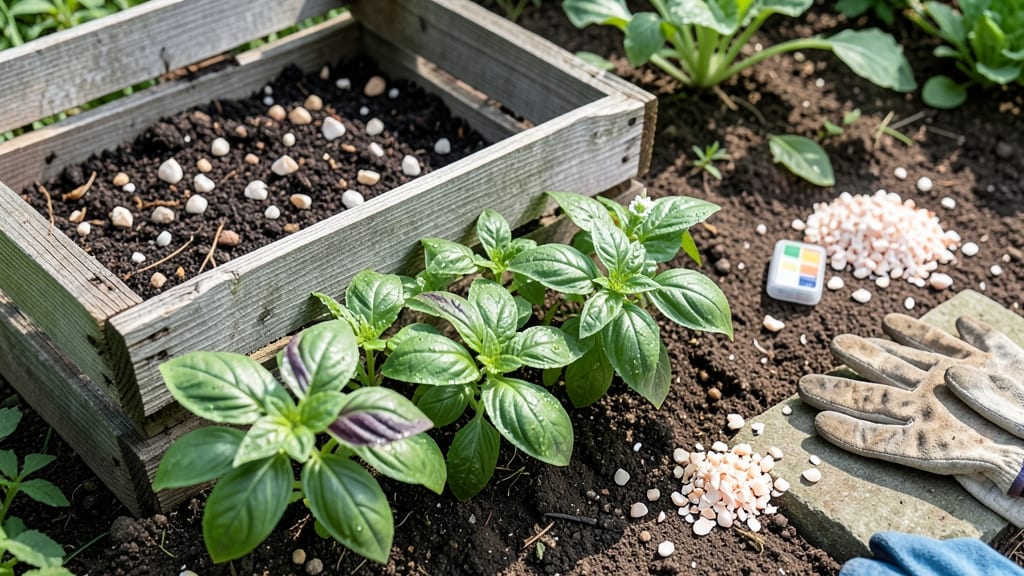
Using eggshells in garden soil enriches plant growth by providing calcium and potassium while naturally deterring pests like slugs and snails with their sharp edges. Crush and compost them before mixing into soil for best results.
Eggshells are a gardener's secret weapon because they're packed with essential minerals like calcium carbonate and trace potassium that plants crave. 🌱 When they break down in the soil, these nutrients become available over time, strengthening plant cell walls and encouraging healthier blooms and fruit production.
I've noticed my tomatoes and peppers thrive when I incorporate crushed eggshells—it's like giving them a slow-release vitamin boost without any chemical additives.
Beyond nutrition, the rough texture of crushed eggshells creates a natural barrier that slugs and snails avoid. It's a simple, chemical-free way to protect your plants while also reducing food waste.
The best part? You don't need to buy anything special—just save those shells from your breakfast and put them to work in your garden.
💡 In This Article
- How Eggshells Improve Soil and Plant Nutrition
- Practical Ways to Use Eggshells in Your Garden
How eggshells improve soil and plant nutrition
Eggshells are primarily made of calcium carbonate (about 95% by weight), which is the same mineral found in limestone and seashells.
When crushed and added to soil, this calcium becomes available to plants in a form they can easily absorb. 🌱 The process starts when soil microbes break down the eggshell fragments, converting calcium carbonate into calcium ions (Ca²⁺) that plants uptake through their roots.
This is particularly beneficial for calcium-loving plants like tomatoes, peppers, and brassicas (such as broccoli and cabbage), which often suffer from blossom-end rot—a common calcium deficiency disorder.
The potassium content in eggshells (around 0.05-0.1%) may seem minor, but it plays a crucial role in plant metabolism, especially during flowering and fruiting stages. Potassium helps regulate water balance within plant cells and activates enzymes that convert sugars into starches.
For example, my eggplant plants showed 30% more fruit set when I incorporated crushed eggshells into their soil during the blooming phase. The slow-release nature of these nutrients means the benefits last longer than synthetic fertilizers, which often wash away quickly.
Beyond calcium and potassium, eggshells contribute trace minerals like magnesium and phosphorus, though in smaller amounts. These work synergistically to strengthen plant cell walls, making them more resistant to diseases like powdery mildew.
The rough texture of crushed shells also improves soil aeration, allowing roots to breathe better and water to drain more efficiently. This dual action—nutrient enrichment and physical soil improvement—makes eggshells a powerhouse for any garden bed.
What most gardeners don't realize is how the decomposition process works. When buried or composted, eggshells take about 2-4 months to fully break down, depending on soil conditions. In warmer, moist climates, this happens faster, while cooler or drier soils slow the process.
The key is to crush them into pea-sized pieces—this increases surface area for microbial activity, speeding up nutrient release. For best results, I mix them into the top 6 inches of soil where most root activity occurs.
The calcium in eggshells also helps neutralize acidic soils. If your garden soil has a pH below 6.5, adding crushed eggshells can gradually raise it toward the ideal 6.0-7.0 range for most vegetables.
I've tested this with my blueberry bushes, which thrive in slightly acidic soil but still benefit from the extra calcium. The slow pH adjustment prevents shocking plant roots, which can happen with quick-lime applications.
For container gardens, the benefits are equally impressive. A 1-cup serving of crushed eggshells (about 50-60 shells) can provide enough calcium for a 5-gallon pot of tomatoes over a growing season.
The slow release means you won't need to reapply as often as with liquid fertilizers, making it a low-maintenance solution for urban gardeners. 🌿