
Tools
Florida botanical gardens offer unparalleled access to rare tropical species, native habitats, and immersive trails—think Fairchild’s 2,000-plus orchid varieties or Selby’s 8,000 bromeliad collection—where you’ll discover plants found nowhere else in the U.S.
These gardens aren’t just green spaces—they’re living museums of Florida’s biodiversity. 🌿 For example, the Fairchild Tropical Botanic Garden in Coral Gables protects endangered species like the ghost orchid, while Tropical Audubon in Miami transforms into a vibrant butterfly haven during peak blooming seasons.
Many feature themed trails, such as Bok Tower Gardens’ serene meditation paths or the Jungle Gardens’ carnivorous plant exhibits, designed to engage all senses. The best time to visit?
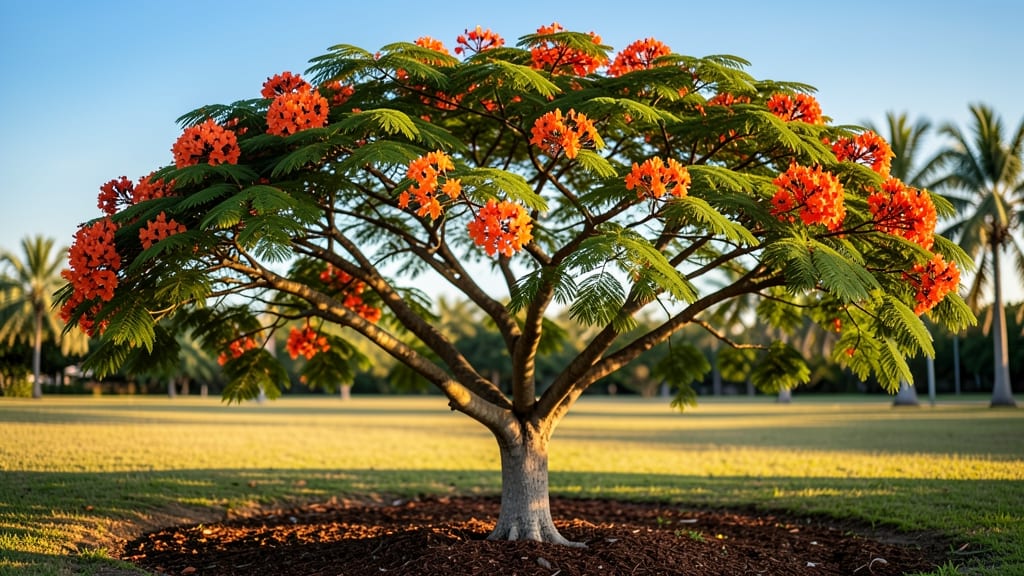
Early mornings in spring when rare flowers like the Florida royal palm burst into bloom, offering photographers and nature lovers alike a front-row seat to the state’s botanical treasures.
What sets these gardens apart is their commitment to conservation and education. Unlike traditional parks, they actively restore native ecosystems—like the cypress swamps at Archbold Biological Station—while hosting workshops on sustainable gardening.
Whether you’re a plant enthusiast or a casual visitor, Florida’s botanical gardens deliver an experience that’s both visually stunning and scientifically rich.
💡 In This Article
- Unique Ecosystems and Rare Species in Florida Botanical Gardens
- Best Florida Botanical Gardens for Hidden Trails and Seasonal Blooms
Unique ecosystems and rare species in Florida botanical gardens
Florida’s botanical gardens are living laboratories of biodiversity, preserving ecosystems you won’t find anywhere else in the U.S. Take the ghost orchid (Dendrophylax lindenii), a pale, epiphytic plant that thrives only in Florida’s subtropical swamps.
These orchids are so rare that fewer than 100 mature specimens exist in the wild, making them a conservation priority. 🌿 The Fairchild Tropical Botanic Garden in Coral Gables has successfully propagated these orchids using tissue culture techniques, allowing visitors to see them up close in their Orchid Center.
What makes Florida’s ecosystems so unique is the combination of tropical and temperate climates. For instance, the Archbold Biological Station in Venus protects 20,000 acres of cypress swamps, where plants like the Florida royal palm (Roystonea regia) grow alongside carnivorous pitcher plants.
These swamps act as natural filters, purifying water while supporting endangered species like the wood stork (Mycteria americana).
The gardens also preserve coral reef fragments in living exhibits, like those at Tropical Audubon, where coral polyps grow in controlled tanks, demonstrating how marine ecosystems thrive in Florida’s warm waters.
The preservation efforts go beyond aesthetics—they’re critical for science. Many gardens participate in the Florida Native Plant Society’s conservation programs, where botanists track endangered species like the Florida torreya (Torreya taxifolia), a conifer found only in a few wild patches.
These gardens also study how climate change affects native flora, using data from their living collections to inform restoration projects. For example, Marie Selby Botanical Gardens in Sarasota maintains a 8,000-plant bromeliad collection, many of which are threatened by habitat loss.
Visitors often overlook the sensory experiences these gardens offer. Walk through the Jungle Gardens’ carnivorous plant exhibit, and you’ll feel the damp, earthy air of a Florida swamp, hear the distant calls of herons, and see pitcher plants glistening with dew.
The Fairchild Garden’s butterfly garden isn’t just visually stunning—it’s a symphony of fluttering wings and sweet fragrances from native flowers like the coontie palm (Zamia integrifolia), which attracts pollinators year-round. These immersive environments make conservation feel tangible.
One of the most fascinating mechanisms at work is mycorrhizal relationships, where fungi help plants absorb nutrients in Florida’s nutrient-poor soils. Gardens like Bok Tower Gardens study these partnerships to restore degraded lands.
For instance, their meditation trails wind through areas where native orchids rely on specific fungi to germinate—a process that takes years in the wild. By understanding these relationships, botanists can accelerate reforestation efforts, ensuring Florida’s unique flora survives for future generations.
The takeaway? Florida’s botanical gardens aren’t just pretty landscapes—they’re active participants in ecological research. Whether you’re admiring a 100-year-old bald cypress or learning how to propagate endangered orchids, you’re supporting science in action. 💫