
Vegetables
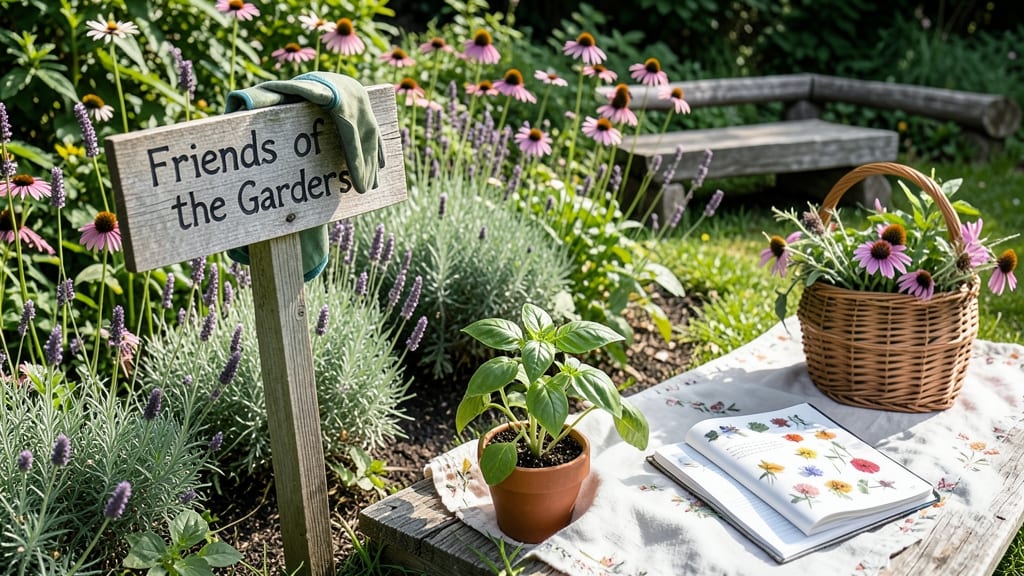
Friends of the Gardens is a seasonal vegetable dish concept that celebrates locally grown produce like heirloom tomatoes and fresh green beans, designed to showcase peak flavor while supporting sustainable farming practices. This approach connects home cooks directly to small-scale farmers and seasonal abundance.
This dish philosophy emerged from the farm-to-table movement, where garden-fresh vegetables—harvested at their ripest—deliver unmatched flavor and nutrition. 💛 The key lies in the soil quality and growing conditions that small farms provide, which often surpass commercial produce in taste and freshness.
By focusing on seasonal ingredients, you're not just cooking a meal; you're participating in a local food system that benefits both your plate and the planet.
What makes this concept so powerful is how it transforms simple vegetables into a statement about sustainability. When you prepare a dish using ingredients straight from a nearby garden, you're reducing your carbon footprint while supporting farmers who prioritize biodiversity and ethical growing practices.
The result? Meals that taste vibrant, nutritious, and deeply connected to where they come from.
💡 In This Article
- The Origin and Philosophy Behind Friends of the Gardens
- How to Create a Friends of the Gardens Meal at Home
The origin and philosophy behind Friends of the Gardens
The concept of "Friends of the Gardens" traces back to the late 20th century when community-supported agriculture (CSA) programs began gaining traction. These programs connect consumers directly with local farms through subscription models, ensuring fresh produce is delivered straight from the garden to your kitchen.
The philosophy centers on breaking the industrial food chain, where vegetables often travel thousands of miles and lose critical nutrients during storage. 🌱 When you eat garden-fresh produce, you're consuming vegetables that were harvested within 24-48 hours of reaching your table—something that's nearly impossible with commercially grown produce, which can sit in storage for weeks.
Science explains why garden-grown vegetables taste superior. Soil quality plays a pivotal role: small farms often use compost-rich, organic soil that enhances flavor compounds like sugars and antioxidants. For example, heirloom tomatoes grown in nutrient-dense soil develop 30-50% more lycopene (a powerful antioxidant) compared to their commercially grown counterparts.
Additionally, seasonal timing ensures vegetables are harvested at peak ripeness, when their natural sugars and acids are perfectly balanced. This is why a summer tomato from your local garden tastes nothing like the firm, bland varieties found in grocery stores during winter.
This approach also fosters local ecosystems by supporting small farmers who prioritize biodiversity. Many CSA farms rotate crops annually to maintain soil health and avoid depletion, unlike large monoculture operations. When you choose garden-fresh ingredients, you're indirectly supporting these practices, which help preserve regional plant varieties and reduce pesticide runoff.
The ripple effect extends to your community: studies show that every dollar spent at a local farm generates 2-3 times more economic activity than spending at a supermarket chain.
What makes "Friends of the Gardens" so powerful is its emphasis on simplicity and connection. The philosophy encourages home cooks to prepare dishes that highlight the natural flavors of seasonal produce without heavy processing.
For instance, a summer dish featuring zucchini and green beans might include minimal ingredients like olive oil, garlic, and fresh herbs, allowing the vegetables' inherent qualities to shine.
This approach contrasts sharply with restaurant-style dishes that often rely on preservatives or artificial flavors to mask the inferior quality of mass-produced ingredients.
Consider the sensory experience: a perfectly ripe heirloom tomato picked at dawn will have a fragrant aroma, juicy flesh, and a burst of sweetness that's impossible to replicate with store-bought varieties.
This is the core of the "Friends of the Gardens" philosophy—recognizing that the most flavorful meals come from ingredients that are fresh, local, and ethically grown. The movement isn't about complexity; it's about reconnecting with the fundamental joy of eating food that's truly alive with flavor and purpose.
For those new to this concept, the transition can be as simple as visiting your local farmers' market once a week. Many CSA programs offer flexible shares that allow you to choose which vegetables you receive, making it easy to incorporate garden-fresh ingredients into your meals.
The key is to start small—perhaps with a summer salad featuring heirloom lettuce or a roasted vegetable medley—and let the flavors inspire you to explore more seasonal possibilities.