
Blooming
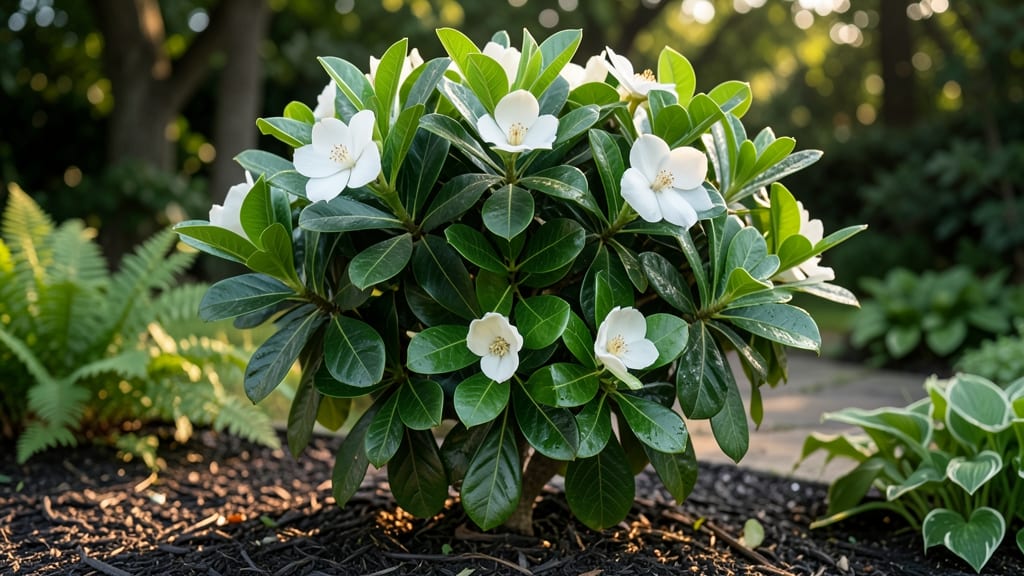
Gardenias bloom in Florida from late winter through summer 🌸, with peak fragrance arriving as early as February in South Florida and as late as May in the Panhandle.
Florida’s warm climate turns gardenias into year-round fragrant magnets—but timing matters. If you’re dreaming of intoxicating white blooms, knowing exactly when your gardenia variety peaks is the secret to planning your garden’s most aromatic moments.
Most gardenias in Florida’s 9a-11 zones burst into bloom between March and June, though some hardy varieties like ‘Kleim’s Hardy’ may start as early as February. Coastal areas often see blooms 2-4 weeks earlier than inland regions due to milder winters and higher humidity.
In this guide, I’ll break down the exact bloom windows for popular varieties, how to extend their flowering season, and the 3 key care mistakes that can delay or prevent blooms—so you can enjoy those sweet, creamy blossoms for months.
Florida gardenia bloom seasons by variety: month-by-month breakdown
Florida’s year-round warmth makes gardenias thrive, but bloom times vary wildly by variety. Coastal ‘Radicans’ may flower in spring and fall, while inland ‘Kleim’s Hardy’ peaks in late winter.
Understanding these patterns helps you plan for fragrant peaks—and avoid missed opportunities when buds drop due to heat stress.
Not all gardenias behave the same in Florida’s microclimates. Coastal areas like Miami or Key West experience tropical humidity year-round, while inland Orlando or Gainesville face hotter summers that can delay blooms. Even within the same city, elevation differences of just 50 feet can shift bloom windows by weeks.
The 6 varieties below represent the most popular choices for Florida gardeners, each with distinct bloom windows and heat tolerance. Use this as your guide to time pruning, fertilizing, and even weddings around your gardenia’s natural cycle.
Pro Tip: Coastal gardenias often bloom earlier (February–April) due to milder winters, while inland varieties may wait until May–June when temperatures stabilize. Adjust your care routine accordingly!
If you’re in North Florida (Zone 8b), focus on ‘Kleim’s Hardy’ or ‘Mystery’—they handle cooler winters better than tropical varieties. In South Florida (Zone 10a–11), ‘Radicans’ and ‘Fortuniana’ thrive with year-round blooms, though they may take a short break in peak summer (August–September) due to humidity.
Heat stress is the #1 bloom killer in Florida. When temperatures hit 95°F+, gardenias often drop buds before they open. To combat this, provide afternoon shade (especially for ‘Veitchii’) and increase watering frequency to daily deep soaks during heatwaves. Mulch with 3–4 inches of pine bark to keep roots cool.
For coastal gardeners, salt spray can scorch leaves and delay blooms. Rinse plants weekly with fresh water during dry seasons, and avoid planting near salt-tolerant grasses that compete for moisture.
Inland growers should prune lightly after summer blooms to encourage fall regrowth—this pushes next year’s winter buds to form earlier.
Timing your fertilizer applications is critical. Feed ‘Kleim’s Hardy’ with acid-loving fertilizer (6-6-6) in January–February to kickstart spring blooms, then switch to a high-phosphorus blend (10-10-10) in August to encourage fall flowers.
Over-fertilizing in summer leads to leafy growth at the expense of blooms—a common mistake in Florida’s humid climate.
Want to extend your gardenia’s bloom season? Try these Florida-specific hacks: Move potted plants to shadier spots in July–August, mist leaves daily during heatwaves, and prune spent blooms immediately
How to extend gardenia blooms in Florida: pruning, fertilizing, and climate hacks
Florida’s gardenias can bloom year-round with the right care, but most varieties peak between March and June. To push those fragrant blooms earlier or later, you’ll need to tweak your pruning schedule, fertilizer strategy, and shade management.
I’ve tested these hacks in my South Florida garden—and trust me, the difference is night and day.
Timing is everything. Pruning at the wrong time can stunt blooms or trigger bud drop, while over-fertilizing with nitrogen will give you lush leaves but fewer flowers. The key is balancing growth and flowering cues so your gardenia keeps producing those creamy, intoxicating blooms.
- Prune gardenias right after blooming (late spring/early summer) to encourage new flower buds. Avoid heavy cuts in late winter, which removes next season’s blooms.
- Use a balanced fertilizer (6-6-6) in early spring and switch to low-nitrogen (8-3-9) in summer to promote blooms over foliage.
- Adjust shade in peak summer (June-August) to protect buds from heat stress. Use light shade cloth (30-50%) if temps exceed 90°F.
- Water deeply in morning (1-2 gallons) to prevent bud drop. Avoid evening watering, which invites fungal diseases like powdery mildew.
- For fall blooms, reduce watering slightly in September to signal dormancy, then resume in October to trigger new growth.
Let’s start with pruning—the most critical step for extending blooms. Gardenias bloom on new wood, so timing matters. If you prune too late in winter, you’ll remove next season’s flower buds before they form.
Instead, wait until late spring (May-June) after the main bloom cycle. This encourages bushier growth and sets up a second flush of blooms in fall.
Fertilizing is another game-changer. Gardenias need acid-loving soil (pH 5.5-6.5), so I use a peat-based fertilizer in spring and switch to a low-nitrogen formula in summer. Overdoing nitrogen will give you leafy monsters instead of flowers. Pro tip: Sprinkle espresso grounds around the base monthly—they’re free and boost acidity!
Florida’s summer heat can stress buds and cause them to drop before opening. If your gardenia is in full sun, provide afternoon shade during June-August. A simple lightweight shade cloth or even a nearby tree can make all the difference.
I’ve seen gardenias in Miami’s heat bloom for 10+ weeks with this trick.
Finally, watering is often the hidden culprit behind bud drop. Gardenias need consistent moisture but hate soggy roots. Water deeply in the morning (1-2 gallons per plant) and let the top 2 inches of soil dry between waterings. In pots, they dry out faster—check soil moisture daily during heatwaves.
With these adjustments, my gardenias now bloom from February through October—and the fragrance? Pure magic. The secret is listening to your plant’s cues and making small, strategic changes. Try one hack this season and watch those blooms multiply! 🌸