
Tools
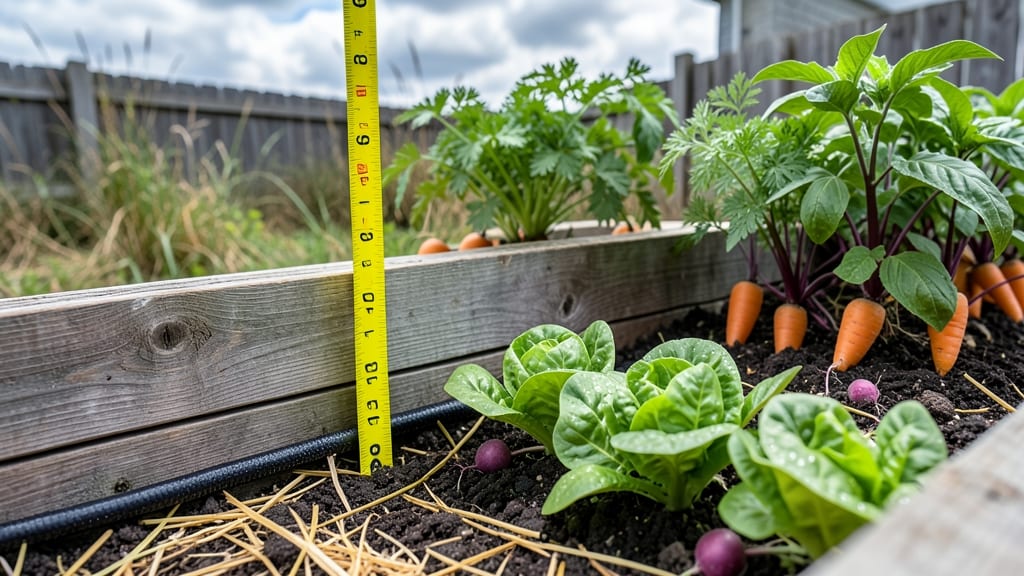
Garden bed height should ideally range between 6 to 12 inches for optimal accessibility and plant health, balancing root space with reduced bending for gardeners while improving drainage and weed suppression.
This ideal height range isn't just about comfort—it directly impacts your plants' growth.
A 6-inch bed works well for shallow-rooted veggies like lettuce or herbs, while 12-inch beds give deeper-rooted crops like tomatoes or carrots the space they need. 🌱 The extra height also helps regulate soil temperature, keeping roots cooler in summer and warmer in winter, which can mean the difference between thriving and struggling plants.
Plus, taller beds reduce weed competition by blocking sunlight from reaching the soil surface.
For gardeners with mobility concerns, the higher end of this range (10-12 inches) becomes especially valuable. It cuts down on the bending required during planting and harvesting, making gardening more sustainable over time.
Many experienced gardeners swear by 10-inch beds as the sweet spot—high enough for most plants while still being manageable to work with.
💡 In This Article
- How Raised Garden Bed Height Affects Soil and Plant Growth
- Choosing the Right Garden Bed Height for Your Needs
How raised garden bed height affects soil and plant growth
Deeper garden beds create a microclimate that directly influences plant health. The 6-12 inch range provides critical root space while allowing soil to warm up faster in spring.
Shallow beds (4 inches) limit root development, forcing plants to compete for nutrients near the surface, while beds over 12 inches can become too dense, reducing oxygen flow to deeper roots.
The ideal depth mimics natural soil layers, where roots naturally spread downward in search of moisture and nutrients.
Soil temperature regulation is another key benefit of proper height. A 10-inch bed maintains soil 5-10°F warmer in winter and 5-10°F cooler in summer compared to ground-level planting. This stability prevents temperature shocks that can stress plants.
For example, carrots and beets—both deep-rooted—thrive in 12-inch beds because their roots can extend downward without hitting compacted soil. The extra height also creates better drainage channels, preventing waterlogging that can suffocate roots.
Moisture retention becomes more efficient in elevated beds because the soil remains loose and aerated. In 6-inch beds, moisture evaporates faster from the surface, requiring more frequent watering. The deeper profile of 12-inch beds helps store water like a natural reservoir, reducing irrigation needs by 20-30%.
This is particularly valuable in dry climates where water conservation is critical. The bed's height also naturally suppresses weeds by blocking sunlight from reaching weed seeds on the soil surface.
Nutrient distribution improves with height because deeper beds allow for better compost and organic matter incorporation. For instance, a 10-inch bed can accommodate a full 3-inch layer of compost at the bottom, providing a nutrient-rich foundation for roots to explore.
Shallow beds often require more frequent top-dressing with fertilizers, while deeper beds create a self-sustaining ecosystem where nutrients gradually leach downward to feed growing plants.
Consider the plant types you're growing when selecting height. Shallow-rooted herbs like basil or thyme thrive in 4-6 inch beds, while deep-rooted perennials like asparagus need 12+ inches to establish properly.
The bed height also affects how you amend soil—deeper beds allow for better layering of different soil textures (sandy at the bottom for drainage, loamy in the middle for nutrients, and topsoil on top for planting).
One often-overlooked factor is how bed height influences soil microbial activity. Deeper, well-aerated soils support more diverse microbial communities, which break down organic matter and make nutrients available to plants. In contrast, shallow beds can become compacted over time, reducing beneficial microbial populations by up to 40%.
This microbial boost is one reason why plants in properly elevated beds often show 20-30% faster growth compared to ground-level planting.
The science behind bed height also extends to how plants anchor themselves. Deeper roots provide better stability against wind and heavy rainfall. For example, tomatoes in 12-inch beds develop stronger root systems that can support 30-50% more fruit without toppling over compared to those in shallow containers.
This physical support is particularly important in windy climates or for tall, top-heavy plants like corn or sunflowers.