
Tools
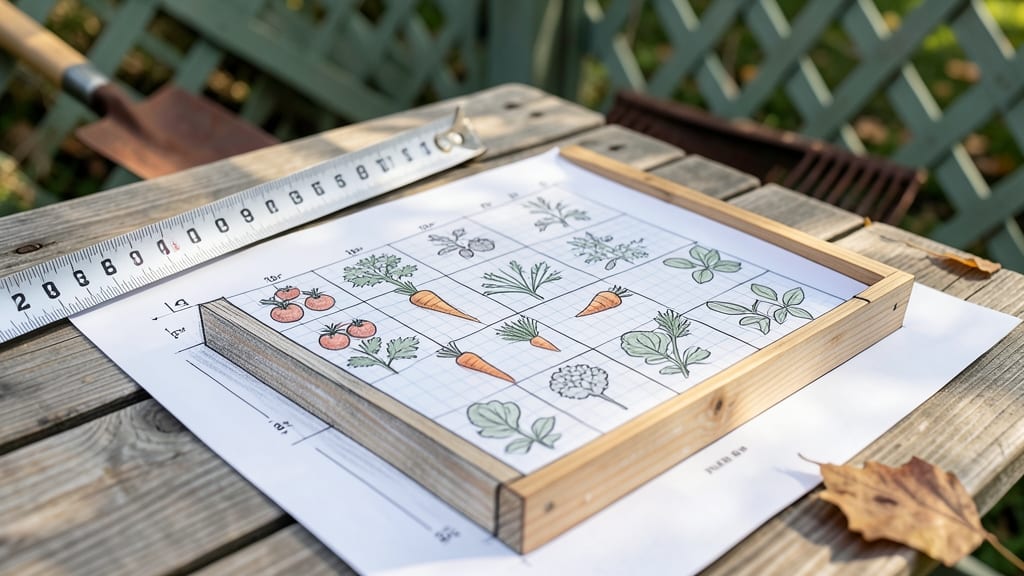
Determining garden bed measurements starts with your plant types, as proper sizing ensures optimal growth and yield. Standard raised beds should be 4 feet wide for easy access and 8–12 feet long to maximize space efficiency, while row spacing varies between 12–36 inches and plant spacing depends on the crop (e.g., 6–12 inches for leafy greens, 18–24 inches for tomatoes).
Getting these dimensions right isn't just about fitting plants—it's about creating an environment where they thrive. Too little space leads to competition for nutrients and sunlight, while overly wide beds can make maintenance difficult. Depth matters too: deeper beds (12+ inches) improve root growth and drainage, especially for heavy feeders like potatoes or corn. 🌱 I always recommend sketching your layout first, marking plant locations with stakes or string to visualize spacing before digging—it saves time and frustration later.
For example, carrots need at least 3 inches between seeds to prevent forking, while tomatoes require 18–24 inches of space to support their vines. Herbs like basil can thrive in tighter clusters (6 inches apart), but they still need airflow to prevent fungal issues.
Pro tip: use a grid system with stakes and twine to create precise rows—it’s a game-changer for beginners and seasoned gardeners alike.
💡 In This Article
- How Garden Bed Sizing Affects Plant Growth and Yield
- Calculating Garden Bed Dimensions for Specific Vegetables
How garden bed sizing affects plant growth and yield
Garden bed dimensions directly influence how plants compete for essential resources. When roots grow too close, they vie for water and nutrients, leading to stunted growth or poor yields. For instance, a 4-foot-wide bed allows you to reach the center without stepping on plants, which disturbs soil structure.
Narrower beds (under 3 feet) force you to walk through rows, compacting soil and reducing airflow—critical for root respiration. The length of 8–12 feet balances space efficiency with manageability, as longer beds require less perimeter fencing or mulching but still fit most backyards.
Sunlight exposure is another key factor. Plants in the center of wide beds may receive 20–30% less light than those on edges due to shading from taller crops.
This is why many gardeners use the square-foot gardening method, where plants are arranged in a grid with precise spacing (e.g., 16 basil plants per square foot). This method maximizes sunlight penetration and airflow, reducing fungal diseases like powdery mildew.
In contrast, traditional row planting (with 12–36-inch spacing between rows) can waste space—up to 50% of the area may remain unused if not interplanted carefully.
Bed depth also plays a critical role in plant health. A 12-inch depth is ideal for most vegetables, as it accommodates root systems (e.g., carrots need 8–12 inches of loose soil) and improves drainage.
Shallow beds (6 inches) may suffocate root crops like potatoes, while overly deep beds (>18 inches) can dry out faster, requiring more frequent watering.
Soil moisture retention is especially sensitive to bed width: wider beds lose moisture faster at the edges due to increased surface area exposure to sun and wind.
Airflow is often overlooked but vital for disease prevention. Crowded plants create humid microclimates, perfect for fungal spores. For example, tomatoes spaced 18 inches apart circulate air better than those crammed into 12-inch spacing, reducing the risk of blight by up to 40%.
Even herbs like cilantro, which thrive in partial shade, need 6–12 inches of space to prevent mold. The solution? Combine wide rows with vertical supports (like trellises for cucumbers) to optimize airflow without sacrificing yield.
Consider this comparison: a 4x8-foot raised bed with 12-inch row spacing fits about 24 tomato plants, but the same bed with square-foot gardening (1 plant per square foot) accommodates 32. The difference? More plants and better air circulation.
For heavy feeders like corn, which needs 12–18 inches of space, wider beds (up to 5 feet) may be necessary—but then you’ll need a stepping stone or board to avoid trampling plants.
Pro tip: Use a soil probe to check depth before planting. For root crops, ensure the bed is at least 12 inches deep and amend with compost to improve drainage.
If your soil is heavy clay, consider 18-inch depth to prevent waterlogging. 🌱 The right dimensions aren’t just about fitting plants—they’re about creating a balanced ecosystem where every plant has room to thrive.