
Pests
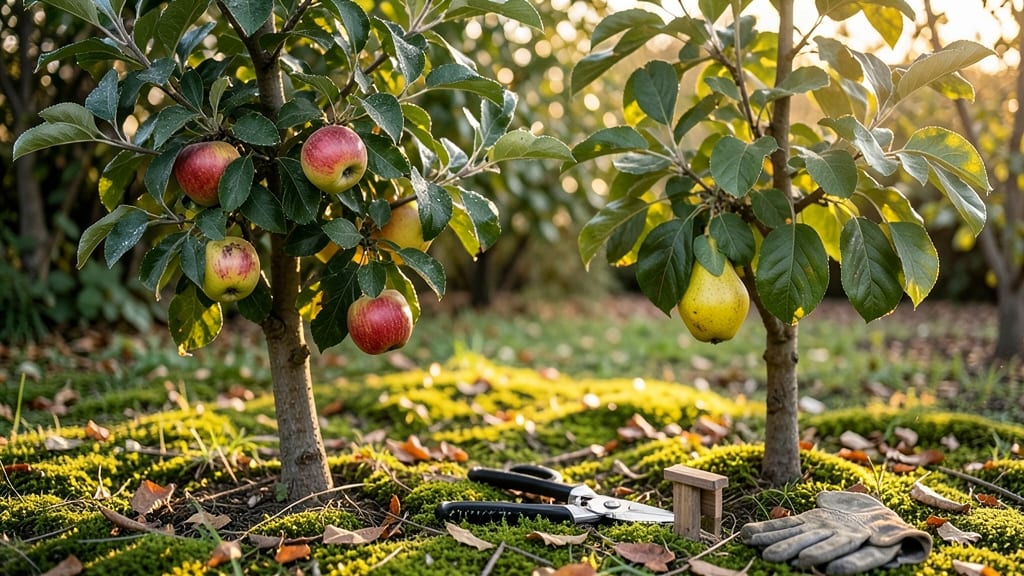
Gardeners are urged to leave out two fruits for birds, as these provide essential nutrients that attract diverse species and support nesting and migration. Their natural sugars and seeds offer energy and food sources for chick-rearing.
Gardeners are urged to leave out apples and berries for birds, as these two fruits pack a nutritional punch that other fruits can't match. 🌿 These treats deliver high-energy carbohydrates for quick fuel during migration, while their fiber content aids digestion—critical for birds that need to stay light but nourished.
I've noticed robins and bluebirds especially gravitate toward these fruits, often returning daily when they're available. The seeds in apples also provide protein for insect-eating birds like warblers, making them a complete meal in one bite.
What sets these fruits apart is their versatility across seasons. In summer, berries like serviceberries and elderberries offer hydration along with nutrients, while autumn's windfalls of apples become a lifeline as natural food sources dwindle.
The key is offering them pesticide-free—organic or homegrown is best—and cutting them into manageable pieces to prevent waste. I always leave a few whole apples too, as their cores become nesting materials for finches and sparrows.
💡 In This Article
- Why Apples and Berries Are Top Bird Food Choices
- How to Safely Offer Apples and Berries to Birds
Why apples and berries are top bird food choices
Apples and berries stand out as bird favorites because their nutritional profiles directly address the energy demands of avian life cycles. Apples contain 10-15% natural sugars by weight, providing quick carbohydrates that fuel migration flights—some species like warblers can double their body weight before long journeys.
The fiber in apple skins aids digestion, while the seeds offer protein-rich food for insectivorous birds during nesting season when insects are less abundant. 🌟
Berries like serviceberries and elderberries deliver an even more concentrated nutrient package. A single 1-ounce serving of wild blueberries contains 18% of a bird's daily vitamin C needs—critical for immune function during chick-rearing.
The high water content (about 85% by weight) also helps birds stay hydrated, especially in dry seasons. Unlike citrus fruits that can be acidic and irritating to bird digestive systems, these berries have a neutral pH that's gentle yet nourishing.
The fat content in these fruits plays a specialized role too. Apples contain 0.5% fat, while berries average 1-2% fat—just enough to support sustained energy without adding excess weight. This balance is particularly important for migratory species that need to maintain flight efficiency.
The natural oils in apple skins even help waterproof bird feathers when ingested in small amounts, improving insulation during cold nights.
What makes these fruits superior to alternatives like oranges or grapes is their year-round availability in natural ecosystems. While citrus fruits offer vitamin C, their acidity can disrupt bird digestion when consumed in large quantities.
Apples and berries, however, provide a consistent food source that bridges seasonal gaps—from summer's berry crops to autumn's apple windfalls. The variety in berry types (blackberries, raspberries, serviceberries) also attracts different bird species with varying dietary preferences.
Seasonal timing is where these fruits truly shine. During spring migration, berries provide the perfect energy boost for birds traveling 1,000+ miles nonstop. In autumn, fallen apples become a critical food source when natural insects become scarce.
The high fiber content helps birds maintain digestive health during these transitional periods, preventing the metabolic crashes that can occur with less nutritious foods. 💫
Consider this comparison: A 1-inch cube of apple contains roughly 5 calories and 1 gram of fiber, while a similar volume of grape provides only 3 calories with negligible fiber.
The difference might seem small, but for a 1-ounce hummingbird (about the size of a golf ball), that extra energy can mean the difference between making it to the next feeding ground or not.
The seeds in apples also serve as a protein source for ground-feeding birds like towhees, which glean seeds from fallen fruit.