
Light Requirements
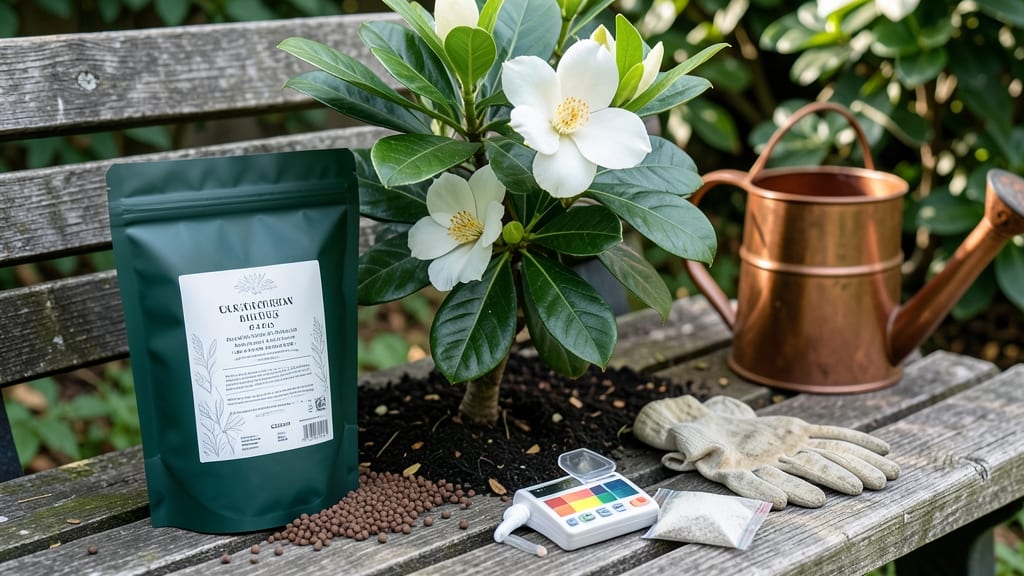
To feed your gardenia properly and unlock its fragrant blooms, you first need to understand the gardenia fertilizer requirements—too much or the wrong type can turn those glossy leaves yellow and leave you with sparse flowers.
Picture this: you’ve spent months nurturing your gardenia, only to watch it throw out a handful of buds before wilting back into disappointment. The issue isn’t always water or light—it’s often the fertilizer, and getting it right is the key to show-stopping blooms every season.
Gardenias thrive on acidic, nutrient-rich soil with a precise feeding schedule, but most gardeners either overdo it (burning roots) or underfeed (stunting growth). Below, I’ll break down the ideal fertilizer types, when to apply them, and how to spot the signs your plant is begging for a different approach.
You’ll learn how to balance organic and synthetic options, adjust for seasonal needs, and avoid the most common mistakes that leave gardenias struggling—so you can finally enjoy those intoxicating blooms without the guesswork.
Optimal fertilizer types and pH levels for gardenias
If your gardenia’s glossy leaves are turning yellow or blooms are sparse, it’s likely crying out for the right acid-loving fertilizer. These tropical beauties thrive when fed with precision—too much or the wrong type can burn roots or stunt growth.
The key lies in matching their soil pH needs (4.5–5.5) with fertilizers designed for acidophilic plants.
Gardenias demand nutrient-rich, acidic soil to produce their signature fragrant blooms. Without the proper fertilizer balance (high phosphorus), they’ll struggle to set buds, leaving you with lush foliage but no flowers. Let’s break down the best organic vs. synthetic options and how to test your soil for peak performance.
🌱 Did You Know? Gardenias are heavy feeders but sensitive to salt buildup from fertilizers. Organic options like composted pine bark or fish emulsion release nutrients slowly, reducing burn risk while keeping soil acidic.
For organic gardeners, composted pine bark and peat moss are game-changers. They not only feed your gardenia but also lower soil pH naturally over time. Mix 2–3 inches of pine bark into the topsoil annually to maintain that ideal 4.5–5.5 pH range.
If your soil tests higher, add a 1-inch layer of sulfur (follow package rates) and water thoroughly to acidify gradually.
Synthetic fertilizers like 8-6-12 acid-loving blends deliver fast results but require precise dosing. Overdoing it leads to salt buildup, which causes brown leaf tips—a common mistake. Always water deeply after applying to rinse excess salts away from roots.
Pro tip: Split your spring feeding into two lighter applications (March and May) instead of one heavy dose.
Testing your soil’s pH is non-negotiable. Grab a digital pH meter (under $20) or send a sample to your local Cooperative Extension Service for accurate results. Aim for 4.5–5.5 pH—any higher, and your gardenia will lock up nutrients, leading to yellow leaves.
If your soil is too alkaline, amend with elemental sulfur (½ cup per plant) and retest in 6 weeks.
💡 Pro Tip: If your gardenia’s leaves develop yellow between veins, it’s likely iron deficiency—common in alkaline soil. Use a chelated iron supplement (like Ironite) and recheck pH. For magnesium deficiency (yellow edges), apply Epsom salt (1 tbsp per gallon of water) every 4 weeks.
Potted gardenias face unique challenges because container soil dries out faster and loses acidity quickly. Repot every 2–3 years with a peat-based acidic mix (like African Violet soil) and top-dress annually with composted bark. Avoid tap water if it’s hard—use rainwater or distilled water to prevent pH spikes.
Remember, less is more with gardenias. They’re light feeders in summer (focus on watering) and heavy feeders in spring (pre-bloom phase). Skip fertilizing in fall and winter—this mimics their natural dormancy cycle and prevents weak, leggy growth.
Seasonal feeding schedule: when and how to fertilize gardenias
Timing your gardenia fertilizer applications is everything—too early or too late, and you’ll miss out on those fragrant blooms you adore. Since gardenias bloom primarily in late spring and summer, your feeding schedule should align with their growth cycles.
I’ve found that spring feeding kickstarts blooming, while summer applications maintain flower production without overloading the roots.
For organic gardeners, options like fish emulsion or compost tea provide gentle, acid-friendly nutrients. Synthetic fertilizers with an 8-6-12 NPK ratio work well too, but always choose acid-loving formulations. The key is consistency—feed every 4-6 weeks during active growth, then taper off as fall approaches.
- 1 Early Spring (March-April): Apply 1 tbsp acidic fertilizer per plant to stimulate root growth and bloom buds. Water thoroughly after application.
- 2 Late Spring (May-June): Switch to light feeding (½ tbsp) as buds form. Focus on phosphorus-rich fertilizers to encourage blooming.
- 3 Summer (July-August): Reduce to monthly light feedings (¼ tbsp) to prevent leaf burn. Prioritize watering over fertilizing during heatwaves.
- 4 Fall-Winter (September-February): Stop fertilizing completely. Let the plant rest—no feeding needed during dormancy.
For organic alternatives, I’ve had great success with fish emulsion diluted to half-strength. Apply it every 4 weeks during spring and summer, followed by a thorough watering. Compost tea is another excellent choice—brew it fresh and spray it directly on the soil (not leaves) for a gentle nutrient boost.
Both options help maintain the acidic soil conditions gardenias crave.
Watch for signs of over-fertilization, like brown leaf edges or stunted growth. If this happens, flush the soil with water to remove excess salts. I once overdid it with synthetic fertilizer and nearly lost a gardenia—now I always follow package instructions and adjust based on my plant’s response.
Patience is key!
Remember, gardenias are heavy feeders but sensitive to excess. By following this seasonal schedule, you’ll encourage lush foliage and prolonged blooming without stressing your plants. Start with spring feeding, and you’ll be rewarded with fragrant blooms all summer long. 🌸