
Pruning
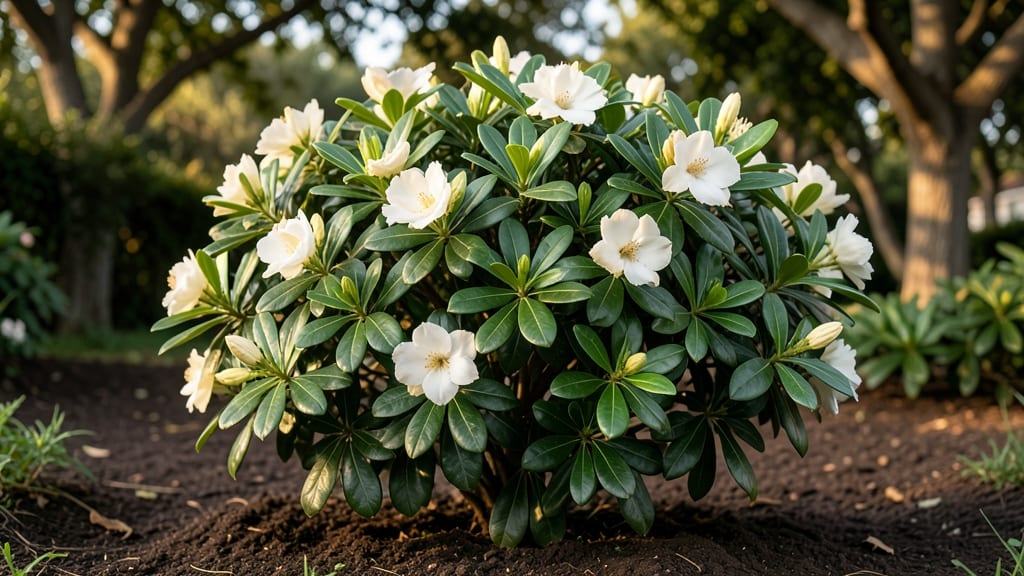
A gardenia tree’s size can range from a compact 3-foot shrub to a towering 15-foot specimen, depending on the variety and care you provide.
If you're dreaming of fragrant white blooms but wondering how much space your gardenia tree will need, you're not alone—many gardeners overlook how variety and care dramatically impact gardenia tree size.
Standard varieties like Gardenia jasminoides typically reach 8 to 15 feet at maturity, while dwarf types like 'Radicans' stay under 5 feet, making them perfect for containers or small gardens.
In this guide, you’ll discover how to choose the right variety for your space, prune for controlled growth, and adjust care to keep your gardenia thriving—no matter how big or small you want it to be.

Gardenia tree size by variety: from dwarf to giant specimens
Choosing a gardenia tree often comes down to one key question: how much space will it occupy? The answer varies dramatically between varieties, with some staying compact enough for patio containers while others grow into towering landscape staples.
Understanding these differences helps you plan your garden layout—whether you're creating a cozy balcony retreat or a fragrant privacy screen. Let's explore the mature sizes of popular gardenia varieties and what they mean for your space.
Gardenia trees naturally grow as shrubs or small trees, but their final height depends entirely on the variety. Some, like the dwarf varieties, top out at just 3-5 feet, making them perfect for small yards or large pots.
Others, like the standard varieties, can reach 15 feet or more, requiring careful placement near foundations or fences. The key to managing their size lies in pruning techniques and understanding each variety's growth habits.
The 'Radicans' variety is my go-to for small spaces—its compact size makes it ideal for 15-gallon containers or window boxes. I've seen it thrive on balconies in USDA Zone 8 with minimal pruning, producing heavy blooms despite its small stature.
For those with more room, the 'Fortuniana' variety strikes a balance, offering fragrant flowers while staying manageable for foundation plantings.
If you're aiming for a privacy screen, the 'Capitata' variety delivers impressive height without becoming unruly. I recommend planting it 6-8 feet from structures to allow airflow and prevent root competition. Its spreading habit creates a natural barrier, but regular pruning keeps it from encroaching on sidewalks or driveways.
For large properties, the 'Kleim's Hardy' variety is a statement piece—just be prepared for its rapid growth.
For tropical gardens or estates, the 'Veitchii' variety reaches tree-like proportions, often requiring structural pruning to maintain its form. I've seen it grow 3 feet per year in ideal conditions, so plan accordingly if you're planting near walkways or other structures.
This variety needs regular pruning to control its spread, but the scent and volume
How to control gardenia tree size through pruning & care
Pruning is the most effective way to manage your gardenia tree's size while keeping it healthy and blooming beautifully. Whether you're growing a compact shrub for containers or a tall specimen for privacy, understanding the right techniques will help you achieve your desired shape without stressing the plant.
Timing is everything when it comes to pruning gardenias. The best time to prune is right after flowering, typically in late spring or early summer. This allows the plant to recover before the next growing season and ensures you don’t accidentally remove next year’s flower buds.
For size control, focus on removing overgrown branches and shaping the tree by cutting back 1/3 of the new growth each year. Avoid heavy pruning in fall or winter, as this can stimulate new growth that won’t have time to harden off before cold weather arrives.
⚠️ callout-warning
Cutting back too aggressively can stress your gardenia, leading to fewer blooms and weakened growth. Never remove more than 30% of the plant in a single session, and avoid pruning during active flowering.
Signs of over-pruning include yellowing leaves, stunted growth, or no new buds. If you notice these, reduce pruning and focus on nutrient-rich soil and consistent watering.
Soil and nutrients play a crucial role in controlling gardenia tree size. These plants thrive in acidic, well-draining soil with a pH between 5.0 and 6.5. Amend your soil with peat moss or compost to improve drainage and fertility.
A balanced 10-10-10 fertilizer applied in early spring will encourage healthy growth without excessive height.
If you’re growing a gardenia in a container, choose a pot that’s at least 2 feet wide to accommodate root growth. Root-bound plants grow slowly and may produce fewer blooms. Repot every 2-3 years using fresh potting mix and ensure the container has drainage holes to prevent waterlogging.
Seasonal care tips can also help manage your gardenia’s size. In spring, focus on light pruning and fertilizing to encourage new growth. During summer, mulch around the base to retain moisture and regulate soil temperature.
In fall, reduce watering and avoid pruning to allow the plant to prepare for dormancy.
With the right pruning techniques and care, you can keep your gardenia tree at your desired size while enjoying its fragrant blooms and lush foliage for years to come. Start small, observe how your plant responds, and adjust your approach as needed.