
Blooming
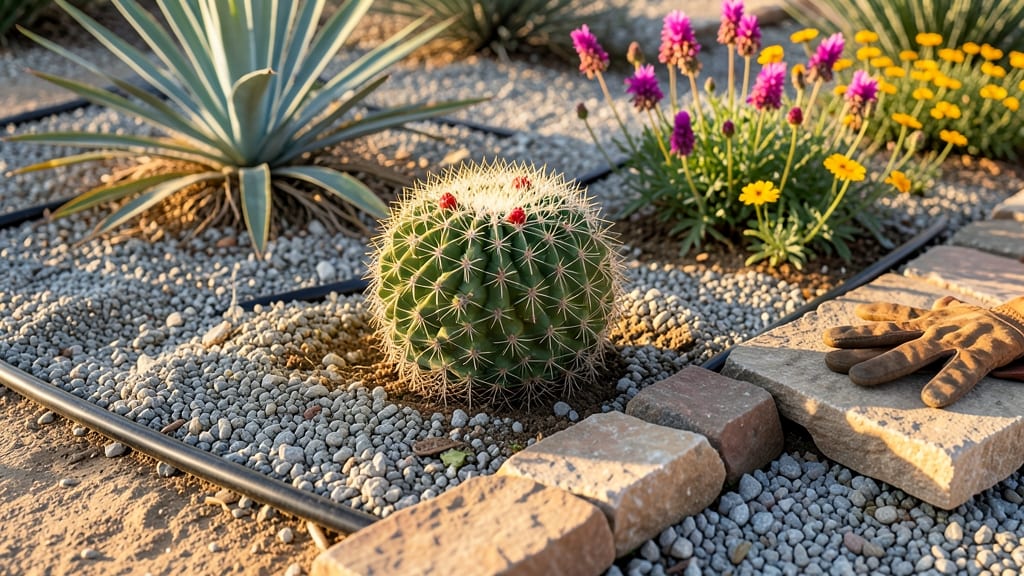
Gardening in New Mexico thrives with heat-resistant plants like yucca, agave, and chili peppers, while drought-tolerant native species such as desert marigold and blackfoot daisy require minimal irrigation. Mulching and drip irrigation maximize water efficiency in the state’s arid climate.
New Mexico's high desert climate (USDA zones 4-8) demands plants that handle intense sun and dry air. 🌵 Native species like yucca and agave store water in their leaves, while chili peppers thrive in the heat.
The key to success here is matching plants to microclimates—shade-loving varieties near adobe walls and sun-seekers in open spaces. I’ve found that even non-natives like rosemary and thyme do well when paired with proper mulching to lock in moisture.
Water conservation isn’t just practical—it’s essential. Drip irrigation delivers moisture directly to roots, reducing waste by up to 30%, while mulching with gravel or straw can cut evaporation by half. Many local gardeners swear by rainwater harvesting systems, which are especially effective during New Mexico’s monsoon season.
The trick is planting when temperatures dip slightly—spring and fall offer the best conditions for establishing roots before summer’s peak heat.
💡 In This Article
- Best Heat-Tolerant Plants for New Mexico Gardens
- Water-Saving Techniques for New Mexico Landscapes
Best heat-tolerant plants for New Mexico gardens
New Mexico’s high desert climate (USDA zones 4-8) creates a unique growing environment where plants must endure 100°F+ temperatures and low humidity. Native species like yucca and agave have evolved to thrive here by storing water in their thick, fleshy leaves—a survival strategy called succulence.
These plants can go weeks without rain because their leaves act like natural water reservoirs, releasing moisture slowly through a process called transpiration regulation. 🌵 For example, the soaptree yucca can survive on as little as 1 inch of water per month once established, making it perfect for water-conscious gardeners.
The state’s native chili peppers also excel in this climate because they originate from the same region. Varieties like New Mexico chile (Capsicum annuum) have thick, waxy skins that reduce water loss, while their deep root systems tap into underground moisture.
These peppers thrive in full sun and well-draining soil, which prevents root rot—a common issue in New Mexico’s alkaline soils. Non-native but equally adaptable are rosemary and thyme, which not only tolerate heat but also repel pests naturally, reducing the need for chemical interventions.
When selecting plants, consider their root depth and leaf structure.
Deep-rooted species like desert marigold (Baileya multiradiata) access moisture from lower soil layers, while plants with small, waxy leaves (such as blackfoot daisy) minimize water evaporation. 💧 The key is to pair these with microclimate awareness: place shade-loving varieties near adobe walls or under existing trees, where temperatures can drop 10-15°F cooler than open areas.
This simple adjustment can mean the difference between thriving and struggling plants.
For gardeners new to the region, start with low-maintenance perennials like ocotillo (Fouquieria splendens), which blooms vibrant red flowers after rain and requires almost no water once established. Its long, spiny stems store water efficiently, and its deep roots help prevent soil erosion—a critical concern in New Mexico’s windy conditions.
Even vegetables like Hatch green chiles and New Mexico tomatoes (such as the Big Beef variety) have been bred to handle the heat, producing bountiful harvests with minimal fuss.
One often-overlooked factor is soil temperature. In New Mexico, soil can reach 120°F+ in summer, which can shock plant roots. To mitigate this, amend soil with organic matter like compost (aim for 20-30% organic content) to improve moisture retention and insulation.
This creates a cooler, more stable environment for roots to grow. 🌡️ For example, adding 2-3 inches of compost before planting can reduce soil temperature by 10-15°F, making a significant difference in root health.
Native plants like four-wing saltbush (Atriplex canescens) are another excellent choice. This hardy shrub not only survives on minimal water but also provides food for wildlife, supporting local ecosystems. Its silvery leaves reflect sunlight, reducing heat absorption, and its extensive root system helps stabilize soil.
For those with limited space, container gardening with heat-tolerant herbs like oregano or lavender is a great option—they thrive in pots and can be moved to shaded areas during peak afternoon heat.