
Planting
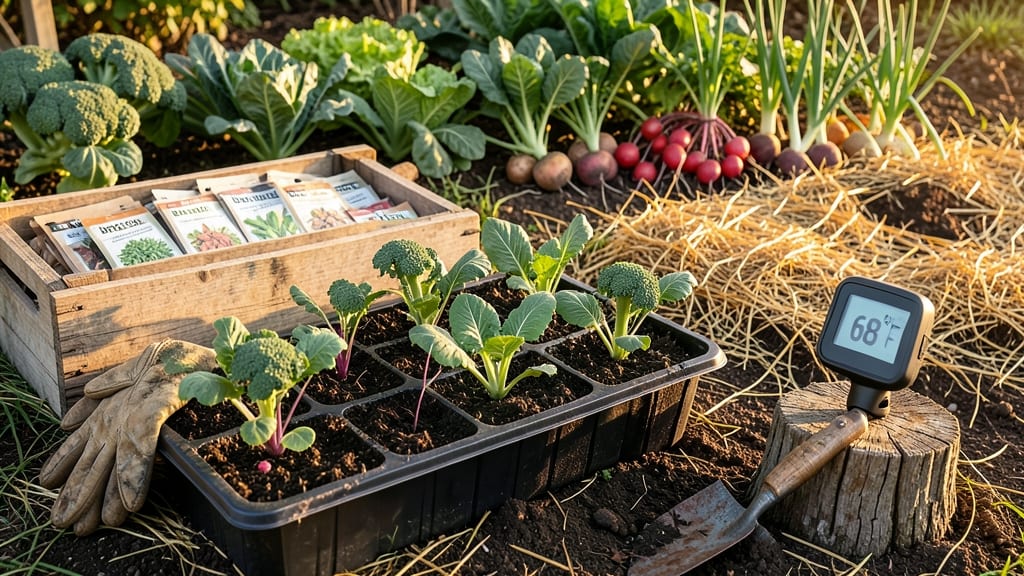
Planting a fall garden in Florida requires knowing the exact months to start—because one wrong move means battling summer heat or risking early frost damage.
Florida’s long growing season is a gardener’s dream, but timing is everything. Plant too early, and you’ll fight the lingering heat; too late, and a surprise frost could wipe out your harvest.
The key? Heat-tolerant crops like okra, sweet potatoes, and collard greens, which thrive when planted at the right moment.
Most Florida gardeners swear by starting in late July to early August for a successful fall harvest. This window lets you sidestep the worst of summer’s heat while giving plants enough time to mature before cooler weather sets in.
In this guide, I’ll break down the best planting schedule by Florida’s climate zones, the top heat-resistant crops to grow, and the critical mistakes to avoid—so you can enjoy a bountiful fall garden without the guesswork.
Best months to plant fall vegetables in Florida’s climate zones
Florida’s fall planting window is a gardener’s secret weapon—longer growing seasons mean more harvests. But unlike northern states, Florida’s USDA zones 8A–10A demand precise timing to avoid summer’s lingering heat or early frost sneaking in.
The key? Planting heat-tolerant crops in late summer when soil temps drop but humidity remains high.
Most Florida gardeners start their fall vegetable garden between mid-August and early October, but exact dates vary by zone. For example, Zone 8A (Panhandle) has a shorter window than Zone 10A (Miami), where frost is rare. Microclimates—like coastal areas staying warmer longer—also shift your schedule by weeks.
Below is your zone-specific planting calendar for okra, sweet potatoes, collard greens, and other fall stars, plus how to adjust for microclimates like urban heat islands or shaded spots. Pro tip: Direct-sow heat lovers like okra in late July–early August to beat the worst heat.
For Zone 8A gardeners, focus on okra and sweet potatoes—they handle residual summer heat better than greens. In Zone 10A, you can push the envelope with late plantings of turnips or radishes even in November, but watch for unexpected cold snaps.
Use row covers if temps dip below 40°F.
Microclimates throw a wrench into schedules. For example, Gainesville (Zone 8B) might need earlier plantings than nearby Lake City (cooler inland). Test your soil temperature—ideal for fall crops is 70–85°F. Use a soil thermometer to avoid planting when roots stew in heat.
Don’t overlook succession planting! In Zone 9A–10A, sow fast growers like radishes or bush beans every 2–3 weeks from August through October. This keeps your harvest table full without overwhelming your space. Pair heat lovers with shade-tolerant greens like malabar spinach to maximize bed use.
One critical mistake? Waiting for "fall" to arrive. Florida’s fall planting window starts when day lengths shorten—not when leaves change color. Track sunset times: Aim to plant when days hit 11.5 hours of light (usually late July–early August).
Pro tip: Mulch heavily with straw or pine needles to insulate roots from temperature swings. This is especially crucial in Zone 8A–9A, where nights cool quickly. Water deeply every 3–4 days (morning only) to prevent fungal diseases like powdery mildew—a common fall foe.
Finally, adjust for shade. If your garden gets partial afternoon shade (common under trees), prioritize shade-tolerant crops like Swiss chard or amaranth. These thrive where full-sun crops like okra would bolt. Use drip irrigation to keep leaves dry and reduce disease risk.
Heat-tolerant crops that thrive in Florida’s fall planting window
Florida’s fall planting window offers a unique opportunity to grow crops that handle late-summer heat while setting up your garden for a productive harvest. The secret lies in choosing varieties that tolerate 85°F+ temperatures and thrive in Florida’s humid subtropical climate.
These crops don’t just survive—they flourish, giving you a head start on cooler-season favorites.
When selecting crops for your fall garden, prioritize those with deep root systems and waxy leaf coatings. These traits help plants retain moisture during Florida’s occasional dry spells in late summer.
Additionally, look for varieties with built-in pest resistance, as fall brings its own set of challenges like aphids and whiteflies.
Here are the top 10 heat-tolerant crops that Florida gardeners rely on for a successful fall harvest, ranked by their ability to handle heat, yield potential, and ease of care:
- 1. Black-Eyed Peas - Thrives in 90°F+ heat, ready in 55-60 days. Fixes nitrogen in soil.
- 2. Malabar Spinach - Heat-loving vine with tropical resilience, produces continuously in warm weather.
- 3. Okra - Handles 100°F+ temperatures, produces pods for 6+ months with minimal care.
- 4. Sweet Potatoes - Thrives in hot, humid conditions, stores well for winter harvests.
- 5. Collard Greens - Heat-tolerant leafy green that sweetens in cool weather, ready in 50-60 days.
- 6. Jute Mallow - Drought-resistant leaf vegetable with high yield potential in heat.
- 7. Roselle (Hibiscus) - Produces tropical sorrel leaves and edible calyces in 90°F+ heat.
- 8. Cowpeas - Nitrogen-fixing legume that thrives in poor soil conditions and heat.
- 9. Thai Basil - Heat-resistant herb that flourishes in Florida's humidity, perfect for pest control.
- 10. Amaranth - Drought-tolerant grain and green that handles full sun exposure beautifully.
For maximum success, I recommend starting with okra and black-eyed peas—they’re the most heat-tolerant and produce quickly. These crops will give you an immediate harvest while you establish other varieties. Remember to mulch heavily to retain soil moisture during Florida’s hot afternoons.
When planting, focus on late July to early August for direct sowing, or use transplants by mid-August to give your crops time to mature before temperatures drop. This timing ensures you avoid the worst summer heat while still capitalizing on Florida’s long growing season.
Don’t forget to rotate crops annually to prevent soil depletion and pest buildup. These heat-tolerant varieties will reward you with a bountiful fall harvest that transitions seamlessly into winter gardening. 🌱