
Planting
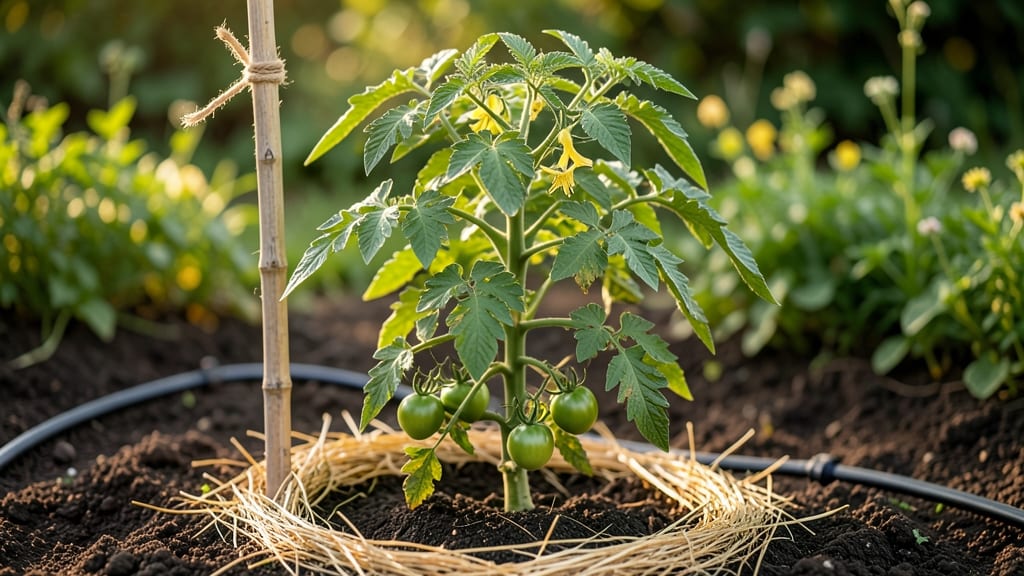
Gardening in Zone 8 lets you grow warm-season favorites like tomatoes and peppers year-round, thanks to mild winters (10°F–20°F) and frost-free windows from late March to mid-November. Cool-season crops should go in early spring or fall to make the most of the extended season.
Zone 8's 6–8 month frost-free period makes it one of the most rewarding regions for gardeners, but timing is everything. 🌱 Coastal areas often enjoy 10–14 days longer growing seasons than inland spots due to ocean breezes moderating temperatures.
I've seen snap peas thrive in early spring when planted just after the last frost date, while heat-loving okra needs to wait until soil warms to 70°F—usually by late April.
The key is matching plants to your specific microclimate, whether that's a sun-drenched backyard or a shaded corner where humidity lingers longer.
This zone's mild winters also mean fewer surprises—no sudden freezes to damage tender plants. However, late-season frosts can still sneak in, so I always keep row covers handy for sensitive crops like basil.
The real advantage? You can experiment with year-round harvests by staggering plantings: start lettuce in September for winter greens, then transition to warm-season crops by March.
💡 In This Article
- Understanding Zone 8 Climate and Frost Patterns
- Top Cold-Hardy and Heat-Tolerant Plants for Zone 8 Gardens
Understanding Zone 8 climate and frost patterns
Zone 8's defining feature is its mild winters, where average minimum temperatures hover between 10°F and 20°F (-12°C to -7°C). This range creates a unique growing environment where many plants that would perish in colder zones can thrive.
The 10°F threshold is critical—it determines which hardy plants can survive winter dormancy without protection. For example, rosemary and lavender often survive winters in Zone 8's warmer microclimates, while citrus trees may need winter wraps in colder sub-regions.
The warmer end of this spectrum (20°F) allows for more experimentation with subtropical plants like bougainvillea or olive trees.
Frost dates in Zone 8 show dramatic variation between coastal and inland areas. Coastal regions typically enjoy 10–14 days longer frost-free seasons because ocean breezes moderate temperatures. Inland areas, however, can experience harder freezes when cold air settles in valleys.
I've noticed that San Diego's coastal areas might have frost-free windows from mid-February to December, while inland Los Angeles could see frost as early as November 15th.
This variation means gardeners must monitor local weather patterns closely—using USDA frost maps or local cooperative extension service data for precise timing.
Microclimates play an enormous role in extending or shortening growing periods within Zone 8. A south-facing wall can create a 5–10°F warmer microclimate than the surrounding area, allowing for earlier spring plantings.
Conversely, low-lying areas tend to collect cold air, creating "frost pockets" that can delay spring planting by 2–3 weeks. I've successfully grown artichokes in sheltered microclimates where they'd normally struggle, while tomatoes in exposed locations sometimes need row covers until soil reaches 60°F.
These microclimates explain why two neighboring gardens might have completely different planting schedules.
Understanding these patterns helps with season extension strategies. For instance, low tunnels can push spring plantings 3–4 weeks earlier by trapping heat, while black plastic mulch warms soil 5–10°F faster than bare earth.
The key is matching your planting schedule to your specific microclimate's last frost date and first frost date. Most Zone 8 gardeners I know use Almanac's frost calculator to get localized predictions, then adjust by 1–2 weeks based on their yard's specific conditions.
What most people don't realize is how humidity levels affect frost timing in Zone 8. Coastal areas with higher humidity often experience lighter frosts that damage only tender plants, while inland areas with dry air can have rapid temperature drops that catch gardeners off guard.
This is why mulching becomes crucial—it insulates roots from both cold snaps and temperature fluctuations. I've seen straw mulch protect onion sets through 25°F nights, while wood chip mulch helps perennials like salvia survive 15°F dips.
For precise planning, consider these three critical temperature thresholds in Zone 8:
- 40°F (4°C): Safe for most cool-season crops like lettuce and spinach
- 50°F (10°C): Ideal for transplanting seedlings like tomatoes and peppers
- 60°F (16°C): Minimum for warm-season crops to establish strong roots
These thresholds help explain why March plantings often succeed while February plantings might fail—even in Zone 8. The 10°F difference between these months can mean the difference between thriving plants and stunted growth. 🌿