
Planting
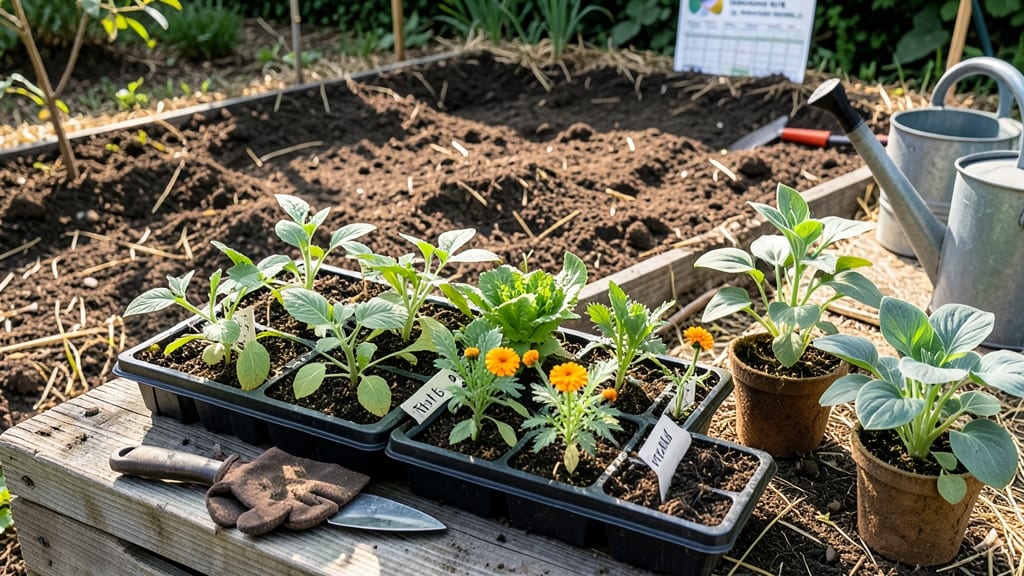
You can plant your garden in Michigan once the soil warms to at least 50°F and the last frost date has passed—typically mid-April to early May, depending on your zone.
Michigan’s unpredictable spring weather can turn gardening dreams into guesswork—plant too early and risk frost damage, too late and miss the growing season. Timing is everything, but with the right zone 4-5 planting schedule, you can maximize your harvest and avoid common mistakes.
Whether you’re sowing cool-season crops like spinach or waiting for warm-season favorites like tomatoes, knowing when to start seeds indoors versus direct-sowing outdoors makes all the difference. The key is balancing frost-free averages with soil temperature and local microclimates.
In this guide, I’ll break down the exact planting windows for Michigan’s zones, share strategies to extend your season, and help you avoid the most common planting mistakes—so you can grow with confidence, not guesswork.
Michigan planting timeline by zone 4-5: last frost dates & safe start windows
Michigan’s Zone 4-5 climate means your planting schedule depends heavily on last frost dates, which vary by region. The Upper Peninsula (Zone 4) typically sees frost until May 15-30, while the Lower Peninsula (Zone 5) averages May 1-15.
These dates aren’t set in stone—historical data from Michigan State University shows a 10-day window of variability each year.
For cool-season crops like peas, spinach, and kale, you can start seeds 4-6 weeks before your last frost date. Warm-season crops—tomatoes, peppers, and basil—need soil temperatures above 60°F and should wait until 2 weeks after your last frost.
Perennials like asparagus and rhubarb have their own ideal windows for crown planting in early spring.
Here’s a region-specific breakdown of when to plant based on USDA data and Michigan State University Extension guidelines:
| Region | Last Frost Avg. | Cool-Season Start | Warm-Season Start | Perennial Planting |
|---|---|---|---|---|
| Northern Lower Peninsula (Zone 5b) | May 1-15 | March 20 - April 15 | May 20 - June 1 | Early April (bare root) |
| Southern Lower Peninsula (Zone 5b-6a) | April 25 - May 5 | March 1 - April 1 | May 10 - May 25 | Mid-March (bare root) |
| Upper Peninsula (Zone 4a-4b) | May 15-30 | April 1 - April 15 | June 1 - June 15 | Late April (bare root) |
*Based on 30-year averages from USDA and Michigan State University Extension
For cool-season crops, think peas and spinach. These hardy plants tolerate light frost and can even thrive when temperatures dip to 25°F.
Start seeds indoors 4-6 weeks before your last frost date, or sow directly into cool, moist soil as early as March in the southern Lower Peninsula. If you’re growing lettuce or kale, consider succession planting every 2-3 weeks for a continuous harvest.
Warm-season crops like tomatoes and peppers need warm soil—aim for 60°F or higher. In Zone 4 areas, this often means waiting until mid-June to plant outdoors. To get a head start, begin seeds indoors 6-8 weeks before your last frost date.
Use grow lights if natural light is limited, and harden off seedlings for 7-10 days before transplanting.
Perennials like asparagus and rhubarb have unique timing needs. Asparagus crowns should be planted in early spring (March-April) when soil is workable but not frozen. Rhubarb, on the other hand, prefers cool soil and can be planted as early as February in the southern Lower Peninsula.
Both thrive in well-draining soil with full sun, but asparagus takes 2-3 years to establish before producing spears.
Don’t forget about fall planting! Cool-season crops like broccoli and carrots can be sown 6-8 weeks before your first frost date (typically October 15-November 1). This gives them time to mature before winter sets in. Use row covers or cold frames to extend the season even further.
Pro tip: Use soil thermometers to confirm soil temperatures before planting warm-season crops. Peat moss or black plastic mulch can help warm soil faster in cooler zones.
And always check Michigan State University’s frost date calculator for your specific location—it accounts for microclimates that can shift planting windows by 1-2 weeks.
Remember, zone 4-5 gardening is all about flexibility. Keep a planting journal to track your local frost dates and adjust future schedules. With the right timing, you’ll be enjoying homegrown tomatoes by July 4th—no matter where in Michigan you live! 🌱
How to adjust your planting schedule for Michigan’s unpredictable weather
Michigan’s spring weather can swing from freezing nights to unseasonably warm days in a single week, making planting timing a challenge. The key to success lies in flexibility—using tools and techniques to extend your growing season and protect tender seedlings from unexpected frost.
Whether you’re dealing with late frosts in April or early chills in May, these strategies will help you plant with confidence.
Start by monitoring local frost forecasts from the National Weather Service or Michigan State University Extension. These resources provide real-time updates on frost risks, allowing you to adjust your planting schedule dynamically.
Pair this with a soil thermometer—most vegetables thrive when soil temperatures reach at least 50°F for cool-season crops and 60°F for warm-season plants.
5 Pro Tips to Adjust Your Planting Schedule
- Use frost blankets or row covers to protect seedlings from late frosts, extending your planting window by 2-3 weeks.
- Set up a cold frame for early starts—it can raise soil temperatures by 10-15°F, allowing you to plant 4-6 weeks earlier.
- Practice succession planting by sowing seeds in weekly batches for crops like lettuce or radishes to ensure a continuous harvest.
- Hardening off seedlings 7-10 days before transplanting outdoors by gradually exposing them to wind and cooler temps.
- Plant warm-season crops like tomatoes and peppers in black plastic mulch to warm the soil faster and prevent cold soil shock.
If you’re starting seeds indoors, begin 6-8 weeks before your average last frost date. For zone 4 (Northern Michigan), this typically means starting in early March, while zone 5 (Southern Michigan) gardeners can wait until mid-March.
Use a grow light to supplement natural light, especially in Michigan’s short spring days.
For direct-sown crops, like beans or peas, wait until the soil is at least 50°F and the forecast shows no frost risk for 5-7 days.
Cool-season crops like spinach and kale can handle light frosts, but avoid planting them until 2-3 weeks before your last frost date to prevent bolting or poor growth.
Don’t forget about fall planting—Michigan’s cool autumn allows for a second growing season. Start warm-season crops like pumpkins or winter squash in early July for a fall harvest. Use row covers in late September to protect tender plants from early frosts and extend your harvest window.
By combining weather monitoring, soil temperature checks, and season-extending tools, you can turn Michigan’s unpredictable weather into an advantage. Start small, experiment with timing, and adjust as you learn what works best for your microclimate. Happy planting! 🌱