
Plants
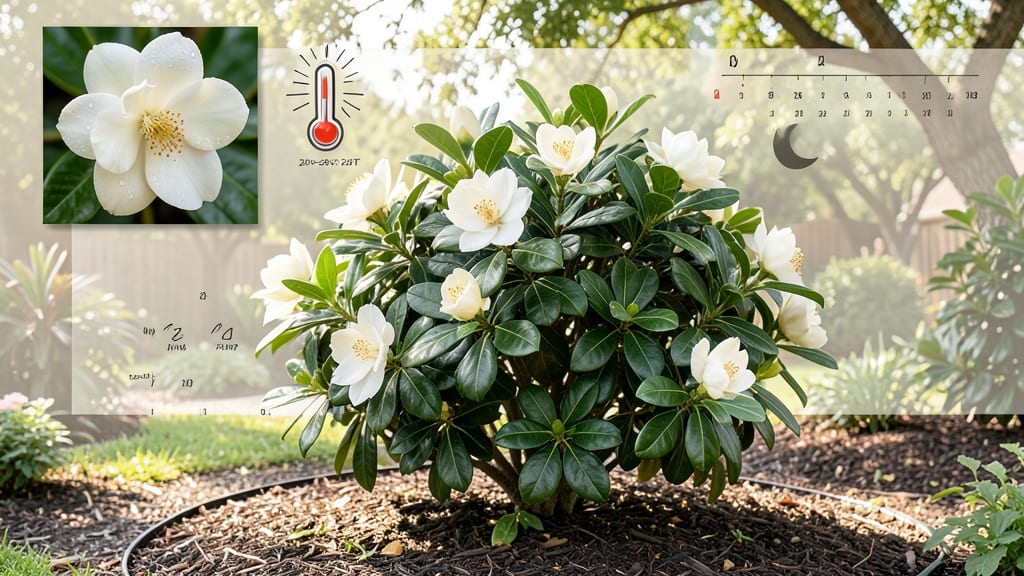
Gardenia plants bloom in late spring to early summer 🌸 — typically May through July, though timing shifts dramatically depending on your climate zone and care routine.
If you’ve ever planted a gardenia hoping for its intoxicating fragrance only to be left waiting, you’re not alone—timing is everything when it comes to these finicky yet stunning flowers.
In warmer zones like Florida or California, gardenias may start blooming as early as April, while in cooler areas like Zone 6a, you might not see flowers until June or even July. The key? Balancing sunlight, soil acidity, and consistent moisture to coax those glossy white blooms.
Below, I break down the month-by-month blooming timeline by zone, plus pro tips to encourage earlier or longer blooms—so you can finally enjoy that signature gardenia scent without the guesswork.
Gardenia bloom timeline: month-by-month breakdown by USDA hardiness Zones
Gardenia plants are famous for their creamy white, intensely fragrant blooms, but their bloom timing varies dramatically depending on your USDA hardiness zone and local climate.
In Zones 7-11, gardenias typically bloom once per year, with peak seasons shifting from late spring in cooler regions to summer in warmer climates. Temperature, sunlight exposure, and humidity all play critical roles in triggering those iconic buds.
If you live in Zone 7 (e.g., Georgia, North Carolina), your gardenia will likely start forming buds in late April to early May, with full blooms appearing in May and June.
Meanwhile, gardeners in Zone 11 (e.g., Southern Florida, Southern California) may see buds as early as February or March, stretching blooms into July or August. Understanding these patterns helps you plan pruning, fertilizing, and care for optimal results.
🌸
In Zone 7, gardenias often need a cool winter chill (below 40°F) to break dormancy and trigger blooming. Without this, buds may fail to form.
Conversely, Zones 9-11 experience such mild winters that gardenias can bloom twice a year—once in early spring and again in late summer—if given proper care. Southern California gardenias (Zone 9-10) may even produce scattered blooms year-round under ideal conditions.
Sunlight also shifts bloom timing. Gardenias in full morning sun (like those in Georgia or Florida) tend to bloom earlier than those in partial shade (common in Pacific Northwest gardens).
For example, a gardenia in San Diego (Zone 9) might start budding in February, while one in Seattle (Zone 8)—with its cooler, wetter springs—may not bloom until late May.
Humidity plays a surprising role too. In Florida’s tropical climate (Zone 10-11), high humidity can cause buds to drop prematurely if airflow is poor. I’ve found that pruning for better air circulation and avoiding overhead watering extends the bloom season by 3-4 weeks in these regions.
Meanwhile, drier climates like Arizona (Zone 9) require daily watering during bud formation to prevent buds from drying out.
One common misconception is that gardenias bloom only in summer. While summer is peak season for many zones, early bloomers in Zones 10-11 can reward you with fragrance as early as January.
To encourage this, I recommend light pruning after the first flush of blooms to redirect energy toward a second round of buds. In Zones 7-8, prune right after flowering (June-July) to shape the plant and promote next year’s buds.
If your gardenia isn’t blooming on schedule, check these three factors: soil pH (should be 5.0-6.5), fertilizer balance (avoid high nitrogen), and winter chill exposure. In my Zone 8 garden, I’ve seen gardenias skip blooming entirely when over-fertilized with nitrogen-heavy lawn food.
Switching to a balanced acid-loving fertilizer (10-10-10) in early spring jumpstarts blooms within 6-8 weeks.
🌿
Pro tip: Mark your calendar for late winter (January-February) in warmer zones or early spring (March-April)
How to predict and extend your gardenia’s blooming season
Predicting when your gardenia will bloom starts with understanding its natural rhythm. Most gardenias bloom in late spring to early summer, but with the right care, you can shift that timeline by 4-6 weeks.
The secret lies in mimicking their native tropical environment—consistent moisture, acidic soil, and gentle pruning to encourage new growth.
I’ve found that gardenias in USDA Zones 8-11 often bloom as early as April, while those in cooler zones like Zone 7 may wait until June.
The key is to adjust your care routine based on your local climate to coax those fragrant blooms earlier—or keep them coming longer into fall.
⚠️ callout warning ⚠️ Common Mistake Alert: Over-fertilizing with high-nitrogen fertilizer (like lawn food) delays blooms by pushing leafy growth instead of flowers. Gardenias need a balanced 10-10-10 or low-nitrogen acid fertilizer (e.g., azalea/camellia mix) to bloom reliably.
Always check the label—nitrogen-heavy feeds are the #1 bloom killer for gardenias! 🌿
To extend your gardenia’s blooming season, start with pruning in late winter (just before buds swell). Cut back overgrown branches by 1/3 to encourage bushier growth and more flower buds. Avoid heavy pruning in fall—this can stress the plant and reduce next year’s blooms.
Fertilizer timing is critical: Feed lightly in early spring (March-April) to wake up roots, then switch to a phosphorus-heavy fertilizer (like 10-20-10) in late spring to trigger blooming. Organic options like fish emulsion or composted pine needles work well, but synthetic acid-loving fertilizers deliver faster results.
Watering plays a surprising role—gardenias need consistent moisture but hate soggy soil. In summer, water deeply every 2-3 days (morning is best to prevent fungal issues), while in fall, reduce to once a week to signal the plant to prepare for dormancy.
Mulch with pine bark to retain moisture and lower soil pH naturally.
Light exposure is often overlooked. Gardenias thrive in morning sun and afternoon shade, especially in hot climates. If your gardenia isn’t blooming, it might be getting too much afternoon sun, which can scorch leaves and stress the plant.
Move potted gardenias to a shadier spot in summer if blooms taper off.