
Shrubs
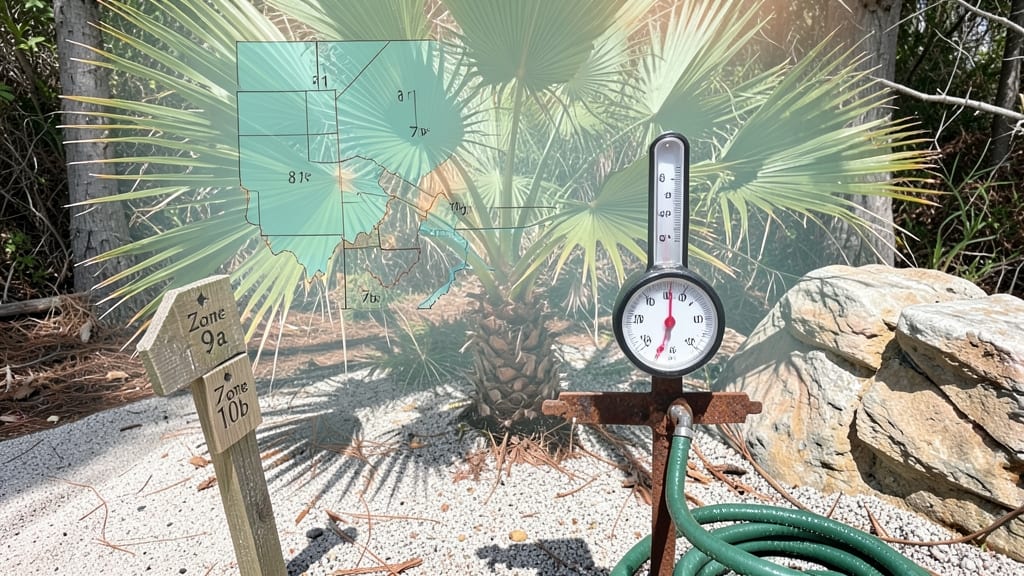
Florida's gardening zones span 8a through 11, creating distinct planting windows that shift dramatically from the frost-prone Panhandle to the frost-free Keys. Coastal areas like Miami (zone 10b-11) support tropical plants year-round, while inland cities such as Orlando (zone 9b-10a) and Jacksonville (zone 8b) demand careful timing to protect heat-sensitive crops. Always verify your specific USDA zone and local frost dates for foolproof success.
Understanding Florida's gardening zones means recognizing how the state's geography creates these dramatic differences.
The Gulf Stream keeps coastal areas warm year-round, while inland zones face occasional cold snaps that can damage tender plants. 🌿 For example, citrus thrives in zones 9b and above but may suffer in Jacksonville's cooler pockets.
I recommend using the University of Florida's IFAS Extension tool to pinpoint your exact microclimate—it accounts for elevation shifts and urban heat islands that standard zone maps often miss.
What sets Florida apart is its ability to grow both tropical and temperate plants within the same state. While Miami gardeners can plant mango trees in January, those in Gainesville (zone 8a) should wait until after the last frost—typically mid-April.
This variability means your planting calendar should be as flexible as Florida's weather, with warm-season crops like tomatoes going in after soil reaches 70°F and cool-season greens like lettuce thriving in winter's milder temperatures.
💡 In This Article
- How Florida’s Microclimates Affect Planting Zones
- Best Plants for Each Florida Gardening Zone by Month
How Florida’s microclimates affect planting zones
Florida’s gardening zones aren’t just about latitude—they’re shaped by three powerful forces: the Gulf Stream’s warming currents, humidity gradients from coast to inland, and elevation shifts that create microclimates within just a few miles.
The Gulf Stream keeps coastal areas like Miami in zones 10b-11 with average winter lows around 55°F, while inland Orlando (zone 9b-10a) drops to 32°F during rare cold snaps.
This 13°F difference over short distances explains why citrus thrives 20 miles inland but struggles near the coast in cooler pockets.
The humidity factor adds another layer: coastal zones experience 80-90% humidity year-round, creating ideal conditions for tropical plants like hibiscus and bougainvillea, while inland areas with 60-70% humidity support drought-tolerant species like yucca.
Even elevation matters—hills in North Florida can be 5°F cooler than valleys just a mile away, pushing some plants into earlier dormancy. For example, a 100-foot elevation gain in Gainesville (zone 8a) might delay planting by 2-3 weeks compared to nearby flatlands.
What this means for gardeners is that your planting calendar should account for three distinct regions: the frost-free coastal strip (zones 10a-11), the transitional inland belt (zones 9a-10a), and the frost-prone Panhandle (zones 8a-9a).
In Miami, you can plant sweet potatoes in January when soil stays above 65°F, while in Tallahassee (zone 8b), you’d wait until mid-April after the last average frost date of March 15.
The University of Florida’s IFAS Extension tracks these variations county-by-county—their frost probability maps show Jacksonville’s 10% frost risk in March versus Miami’s 0%.
Don’t overlook urban heat islands either: cities like Tampa (zone 9b) can be 5°F warmer than rural areas just 10 miles away, allowing for earlier planting of heat-loving crops like okra. Meanwhile, wind patterns create another variable—coastal breezes moderate temperatures in zones 10a-11, while inland areas experience more temperature swings.
This is why a single plant like a banana tree might thrive in Homestead (zone 11) but need winter protection in Fort Lauderdale (zone 10b) just 30 miles north.
For precise planning, combine your USDA zone with local frost data and soil temperature trends. The National Weather Service’s climate normals show that while Miami averages 70°F in January, Orlando drops to 58°F—a critical difference for cool-season crops.
Even within zones, microclimates demand adjustments: a north-facing garden in Gainesville may need 1-2 weeks earlier planting than a south-facing one due to sunlight exposure differences. 🌡️
Here’s the bottom line: Florida’s zones aren’t static—they’re dynamic systems where geography, weather, and elevation collide. The key to success is layering your zone knowledge with local observations.
Start with your USDA zone as a baseline, then adjust for your specific microclimate by monitoring soil temperatures (use a soil thermometer for accuracy) and tracking local frost patterns over 3-5 years to identify your true planting windows.