
Tools
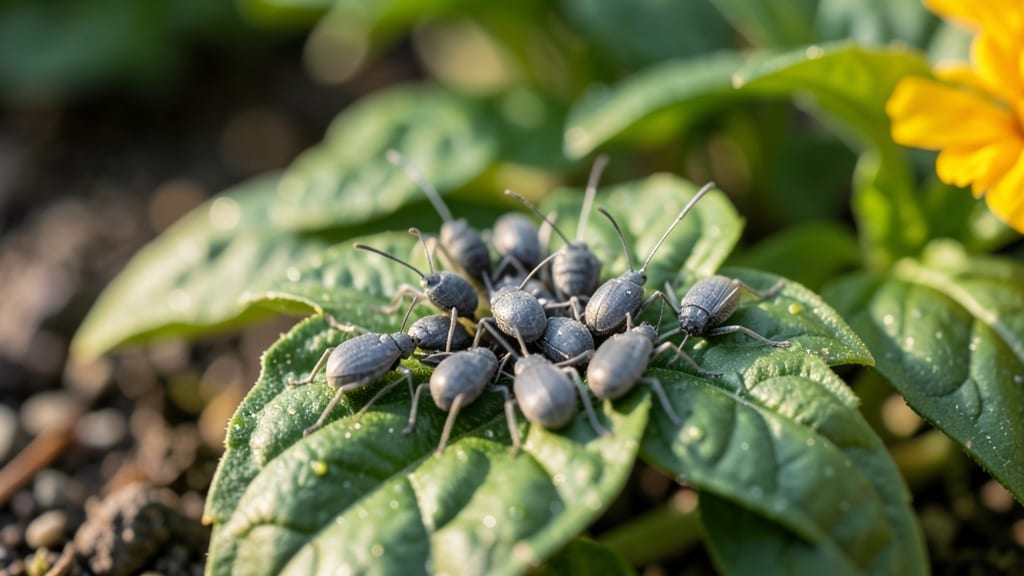
Gray bugs in your garden can turn your hard work into a slimy or skeletonized mess if you don’t act in 5 seconds—and I’m not exaggerating.
Picture this: You step outside after a rain shower, only to find your 🌱 leaves shredded or your soil crawling with tiny, gray invaders. These aren’t just random pests—they’re often a sign of something bigger lurking in your soil or plants.
The good news? You can spot them, stop them, and protect your garden before they cause real damage.
This isn’t just about squishing bugs on sight. It’s about fast identification—whether they’re aphids, slugs, or something sneaky like fungus gnats—and using the right tricks to kick them out for good. No chemicals required (unless you want them).
Below, I’ll show you how to ID these bugs in seconds, the fastest fixes to save your plants, and why they’re showing up in the first place. Let’s get your garden back to thriving.
5 Most common gray garden bugs and how to identify them in seconds
Gray bugs in your garden aren’t just annoying—they can devour leaves, spread disease, or stunt plant growth before you even notice. The key to stopping them fast? Quick identification.
Many gray pests look similar at first glance, but tiny differences in size, shape, or behavior reveal their true identity in seconds. Let’s break down the 5 most common gray bugs and how to spot them before they wreck your garden.
Start by checking the underside of leaves, soil surface, and new growth tips—these are hotspots for gray pests. Look for webbed silk, sticky residue, or chewed edges on foliage, as these clues narrow down the suspect list.
For example, mealybugs leave a cottony residue, while slug trails are slimy and glistening. Grab a magnifying glass if needed; some bugs are microscopic but still destructive.
A comparison-table below will help you match the bug to its damage pattern and habitat. Pro tip: Time of day matters. Some pests, like fungus gnats, are most active at dusk, while aphids cluster in shady, humid spots during the day.
If you’re unsure, squash a few and observe their juice color—some leave clear sap, others yellowish residue.
| Bug Type | Size | Color/Appearance | Key Features | Damage Signs | Habitat |
|---|---|---|---|---|---|
| Gray Aphids | 1-3mm | Matte gray, pear-shaped | Cluster on new growth, produce sticky honeydew | Curled leaves, black sooty mold | Underside of broadleaf plants |
| Spider Mites | 0.5mm (tiny) | Grayish-red, oval | Weave fine webs on leaves, move rapidly | Yellow stippling, silvery webbing | Dry, hot areas (e.g., succulents) |
| Mealybugs | 2-5mm | Gray-white, cottony coating | Slow-moving, hide in crevices | Stunted growth, white residue | Houseplants, citrus trees |
| Fungus Gnats | 1-2mm (adults) | Grayish-black, long legs | Larvae wriggle in soil, adults hover near plants | Root rot, yellowing seedlings | Overwatered soil, potted plants |
| Gray Garden Slugs | 1-2 inches | Gray-brown, slime trail | Active at night, hide in damp areas | Ragged leaf holes, glossy trails | Moist, shaded spots, mulch piles |
Now that you’ve matched the bug to its visual profile, focus on its behavior.
For instance, gray aphids often march in columns along stems, while slugs leave a silver glisten on leaves they’ve licked. Spider mites, though tiny, create visible webbing between leaves—use a flashlight to spot this at night.
If you’re still unsure, place a damp paper towel under a pot overnight; slugs and snails will leave distinct trails.
One game-changer is checking for secondary damage. Mealybugs often attract ants (their protectors), while fungus gnats trigger mushy roots. If your plants have yellowing leaves paired with gray pests, it’s a red flag for systemic infestation. Act fast—some bugs, like aphids, reproduce <
Instant damage control: how to stop gray bugs before they ruin your plants
When you spot gray bugs on your plants, immediate action is key to preventing irreversible damage. These pests—whether aphids, slugs, or fungus gnats—can defoliate leaves, stunt growth, or even kill seedlings overnight.
The good news? Most gray bugs respond quickly to targeted, eco-friendly solutions that won’t harm your garden’s ecosystem.
Your first step is identifying the specific bug type since treatment methods vary dramatically. For example, aphids cluster on stems, while slugs leave silvery trails and chewed holes.
Once you’ve confirmed the culprit, use the ranked solutions below—starting with the fastest, easiest fixes and progressing to more intensive methods if needed.
-
1. Physical Removal
Handpick slugs at night with a flashlight or use a damp newspaper trap—they’ll hide underneath by morning. -
2. Organic Sprays
Mix 1 tsp neem oil + 1 tsp dish soap in 1 quart water for aphids and mealybugs. Spray directly on infested areas. -
3. Soil Treatment
Sprinkle diatomaceous earth around fungus gnat hotspots. Reapply after rain—it works by dehydrating larvae. -
4. Barrier Methods
Surround vulnerable plants with copper tape (for slugs) or row covers (for flying pests). These block entry without chemicals. -
5. Beneficial Predators
Introduce ladybugs or nematodes to target aphids and slug eggs. Release them in the evening for best results.
For aphids and mealybugs, a homemade garlic spray (blend 2 garlic cloves + 1 quart water, strain, and add 1 tsp soap) works wonders. The sulfur compounds repel pests while being completely safe for edible plants. Apply in the early morning to avoid harming beneficial insects like bees.
If fungus gnats are your problem, focus on drying out the soil. Let the top inch dry between waterings and top-dress with coarse sand or perlite to improve drainage.
This disrupts their breeding cycle within 3–5 days. For severe infestations, repot affected plants into sterilized soil to break the life cycle.
Prevention is your best defense. After treating an infestation, mulch heavily with straw or wood chips to deter slugs and reduce soil moisture for fungus gnats. Regularly inspect the undersides of leaves and new growth—these are prime hiding spots for gray bugs.
A weekly 10-minute garden sweep can catch problems before they spiral out of control.
Remember, patience is key. Some methods like beneficial predators take 1–2 weeks to establish, but they offer long-term protection without chemicals. Combine quick fixes (like physical removal) with long-term strategies (like predator release) for a pest-free garden season after season. 🌱