
Vegetables
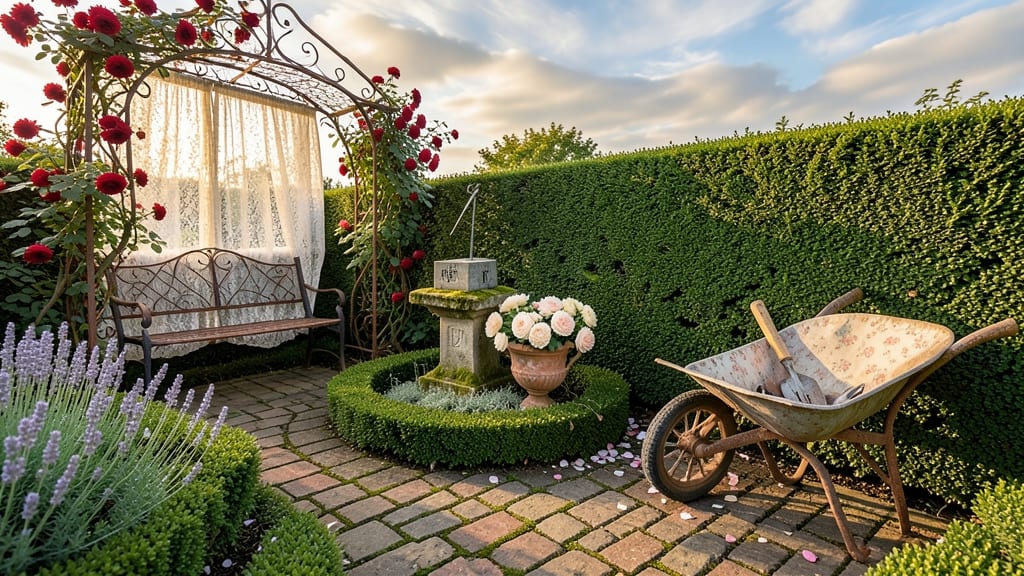
Finding historical gardens near me unlocks breathtaking landscapes designed over centuries, where rare botanical treasures meet architectural marvels. Begin with local botanical archives or heritage tourism guides to discover authentic, public-access sites.
These living museums often preserve plant species that disappeared from the wild centuries ago, using centuries-old cultivation methods like layering and grafting. 🌿 Many gardens also serve as climate adaptation laboratories, where plants from different regions thrive in carefully curated microclimates.
The result? Stunning displays that change with each season, offering a different experience every visit.
To make the most of your exploration, I recommend checking bloom calendars—some gardens peak in spring with tulips while others shine in autumn with vibrant foliage. Many also offer guided tours led by horticulturists who share fascinating stories about the plants and their historical significance.
Always verify a garden's authenticity through certifications from organizations like the American Horticultural Society or local historical preservation groups.
💡 In This Article
- Why Historical Gardens Preserve Unique Plant Species
- How to Plan Your Historical Garden Tour
Why historical gardens preserve unique plant species
Historical gardens act as living archives of botanical history, maintaining plant species that vanished from the wild centuries ago through meticulous cultivation techniques.
Many use layering—a method where stems are bent to root in soil—to propagate rare plants like magnolias or peonies, while grafting preserves heirloom fruit varieties by fusing them onto hardy rootstocks. These methods, perfected over generations, ensure survival even as climates shift.
For example, England's Kew Gardens preserves over 30,000 plant species, including some threatened by habitat loss or invasive species.
The climate-adaptation strategies in these gardens are nothing short of scientific. By creating microclimates—small areas with unique temperature, humidity, or soil conditions—curators mimic the plants' original habitats. A garden might place Mediterranean lavender near a sun-drenched wall to replicate dry conditions, while tropical ferns thrive in shaded, moist nooks.
This approach isn't just aesthetic; it's a survival tactic. Take Longwood Gardens in Pennsylvania, where terracing and water features regulate temperature swings, allowing subtropical plants to flourish in a temperate zone. 🌿
These gardens also serve as genetic reservoirs, storing seeds and cuttings of endangered species before they disappear entirely. Organizations like the Millennium Seed Bank collaborate with historical gardens to document and propagate at-risk flora.
For instance, the San Francisco Botanical Garden has reintroduced California native grasses to restored prairies, using seeds preserved for decades. Without these gardens, species like the Franklin Tree—once native to the southeastern U.S.—would likely be extinct today.
What makes these preservation efforts even more remarkable is their adaptive evolution. Gardens like Villa Taranto in Italy experiment with climate-resilient hybrids, crossbreeding plants to withstand drought or saltwater intrusion.
For example, they’ve developed sea lavender varieties that thrive in coastal conditions, offering hope for erosion-prone shorelines. This dual role—as both conservators and innovators—makes historical gardens indispensable to modern ecology.
Visitors often overlook the sensory science behind these collections. The fragrance of old rose varieties, like the Souvenir de la Malmaison, releases volatile compounds that attract pollinators—just as they did in 19th-century Europe.
Meanwhile, the textural contrast between velvety lamb’s ear and spiky holly leaves creates a tactile experience that engages multiple senses. These details aren’t accidental; they’re part of the garden’s educational mission to reconnect people with nature’s complexity. 🌸
To experience this firsthand, seek out gardens with certifications from groups like the American Public Gardens Association. These sites undergo rigorous vetting for their conservation efforts, ensuring authenticity.
For example, Lewis Ginter Botanical Garden in Virginia holds Level III accreditation, the highest standard, for its seed banking and habitat restoration programs.
Always check their websites for bloom calendars—some gardens, like NYBG’s Thain Family Forest, offer night tours to observe nocturnal pollinators in action, adding another layer of discovery.